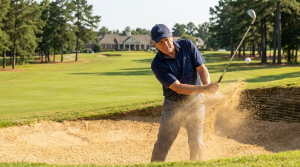

Golf Shouldn’t Hurt: Why Ball Choice Matters for Achy Joints
You love the game—but your hands, wrists, or elbows don’t always agree. Sound familiar? For seniors dealing with arthritis or joint pain, every shot can feel like a small shockwave. And while clubs get most of the attention, your golf ball plays a huge role in how much stress your body absorbs.
The right ball can actually make the game easier on your joints. Softer compression, better feel, and reduced vibration mean less discomfort and more enjoyment. Let’s break down the best golf balls for seniors who want to keep swinging—without wincing.
What Makes a Golf Ball Joint-Friendly?
Ultra-Low Compression
A softer ball compresses more easily, requiring less force. That means less impact and strain on arthritic hands or elbows.
Soft Cover Materials
Ionomer or soft urethane covers feel smoother and reduce harsh feedback—especially on miss-hits or colder days.
Reduced Vibration
Some balls are designed to minimize shock at impact. That’s music to your joints.
Straight-Flight Designs
Balls that promote straighter flight help reduce the need for power swings and overcompensation—saving your body effort.
Best Golf Balls for Seniors with Arthritis or Joint Sensitivity
1. Wilson Duo Soft+
The Gold Standard for Comfort
- 35 compression = one of the softest on the market
- Reduced vibration at impact
- Smooth feel across all clubs
If joint pain is your biggest issue, this ball’s cushy feel can be a total game-changer.
2. Callaway Supersoft
Easy Distance, Zero Shock
- Compression rating of 38
- HEX dimple design for higher launch
- Minimal vibration, even on off-center hits
It’s called “Supersoft” for a reason. Senior golfers with joint pain swear by this ball’s buttery impact.
3. Bridgestone e6 Soft
Soft Feel with Straight Flight
- Ideal for slower swing speeds
- Low spin off the driver to reduce errant shots
- Soft core for gentle compression
If you want comfort and consistency, the e6 Soft keeps things simple and smooth.
4. Titleist TruFeel
Soft but Responsive
- Lower compression with high-quality feel
- Great feedback without the sting
- Balanced for full-swing and short game
It’s a great pick for those who want softness without feeling “mushy.”
5. Srixon Soft Feel
Balanced Comfort and Control
- 60 compression for soft contact
- Thin ionomer cover for extra touch
- Long-standing favorite for senior players
It’s soft enough for joint relief but offers more feedback than ultra-soft balls—great for players who want a bit of firmness.
Best Budget Option for Joint Pain Relief
Pinnacle Soft
- One of the most affordable soft balls
- Low compression for easy launch
- Surprisingly decent feel around the green
It’s a great choice if you don’t want to spend much but still want less stress on your hands and wrists.
Bonus Option: Volvik Vivid Lite (for Visual & Joint Support)
- Soft compression
- Matte finish helps visibility
- Fun color options and gentle feel
The bright color makes it easier to track, and the ball’s soft core helps ease shock on every strike.
Signs Your Golf Ball Is Hurting Your Joints
- You feel sharp or lingering pain after rounds
- Thin shots sting more than they should
- Club vibration is noticeable, especially in cooler temps
- You’ve lost confidence in your short game touch
If this sounds like you, it’s time to switch things up.
How to Make the Game Easier on Your Body
1. Warm Up Your Hands
Use a warm towel or hand warmers before play—arthritic joints love heat.
2. Use Oversized Grips
Thicker grips reduce pressure on the hands and wrists.
3. Switch to Graphite-Shafted Clubs
They’re lighter and absorb more shock than steel.
4. Choose Softer Balls
Low-compression golf balls help you swing easier, feel better, and avoid unnecessary pain.
Conclusion
Joint pain doesn’t have to push you off the course. With the right golf ball—like the Wilson Duo Soft+, Callaway Supersoft, or Bridgestone e6 Soft—you can protect your hands, wrists, and elbows without sacrificing performance.
Golf should be about joy, not discomfort. Choose a ball that cushions your swing, softens impact, and helps you keep playing pain-free for years to come.
Because let’s be real—you’ve earned every swing, and it should feel good.
FAQs
- What compression rating should I look for to reduce joint pain?
Go for a ball with compression below 60. The lower the number, the softer and easier it is on your joints. - Do softer golf balls help with arthritis?
Yes. Soft golf balls reduce vibration and strain, which can significantly lessen discomfort for players with arthritis. - Are expensive balls better for joint pain?
Not necessarily. Many affordable balls like Wilson Duo Soft+ and Pinnacle Soft offer excellent comfort without the premium price. - Can I still get distance with soft golf balls?
Absolutely! Low-compression balls are made to boost distance for slower swing speeds—perfect for senior golfers. - What else can I do to reduce pain while playing?
Use graphite clubs, larger grips, warm up your hands, and avoid over-swinging. Combine that with a soft ball, and you’ll feel a major difference.