
SeniorGolfLife

Golf Balls

Golf balls play a critical role in your performance, especially as a senior golfer. The right golf ball can increase distance, improve control, and help you shoot lower scores. As swing speed changes with age, selecting a ball with lower compression and soft feel becomes essential. These balls launch higher and travel farther with less effort.

At SeniorGolfLife, we review the best golf balls for seniors to help you find the perfect match for your game. Whether you’re new to golf or a lifelong player, the right ball can make every round more enjoyable and effective.

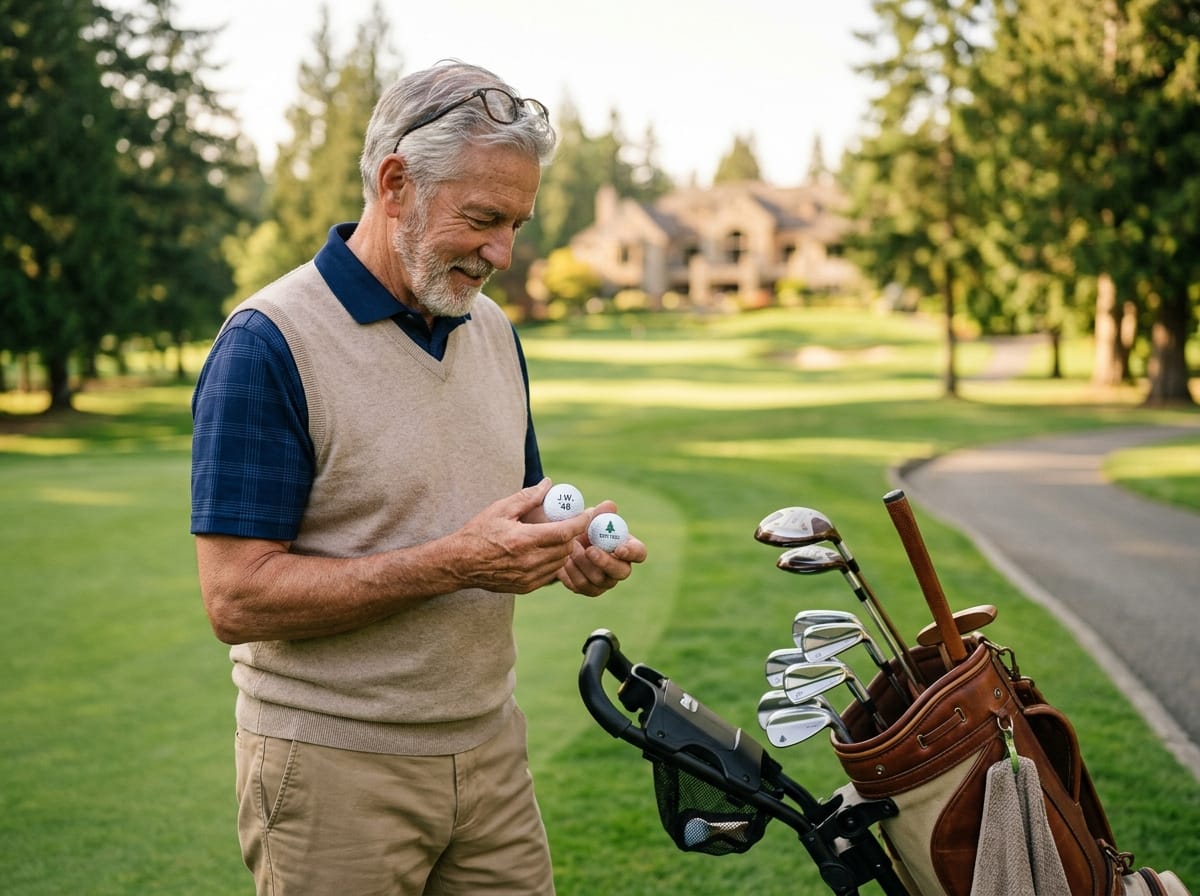
Personalized golf balls are more than a fun gift or a stylish detail for senior golfers. They can make the game easier, more organized, and more enjoyable from the first tee to the final green. For many older players, small changes can make a big difference, especially when those changes support visibility, confidence, and comfort. A custom golf ball can help a golfer identify their ball faster, reduce mix-ups during group play, and add a personal touch that makes every round feel more meaningful. Because golf is a game of feel, focus, and routine, even a simple name, logo, color mark, or alignment design can improve the overall playing experience.

Senior golfers often value equipment that feels practical without losing personality. A club may help with launch, a glove may improve grip, and the right shoes may protect balance. However, the golf ball is used on every shot. That makes it one of the most personal pieces of equipment in the bag. When it is customized correctly, it becomes easier to spot, easier to track, and easier to trust. Therefore, personalization should not be viewed only as decoration. It can also support better pace of play, smarter decision-making, and a stronger sense of ownership over the game.

Many golfers choose custom balls for birthdays, retirement gifts, golf outings, family tournaments, or club events. Still, senior players can benefit from using them regularly, not just on special occasions. A clear name or unique design can help prevent another golfer from playing the wrong ball. In addition, a bold mark can make it easier to identify the ball in the fairway, rough, or around the green. That practical advantage matters more with age, especially when eyesight changes or when courses have bright sunlight, shaded areas, or thick grass.

Why Personalized Golf Balls Matter More for Senior Golfers

Senior golfers often play for a mix of performance, enjoyment, and connection. Some want to keep scores lower, while others simply want a relaxed round with friends. Either way, personalized golf balls can support both goals. They add a layer of convenience because players can quickly confirm which ball is theirs. As a result, there is less confusion during busy rounds, scrambles, and casual group games.

The mental side of golf also matters. When a golfer stands over a ball that feels familiar, the setup can feel calmer. A printed name, favorite phrase, or simple alignment aid can become part of a steady pre-shot routine. This may seem small, yet golf often rewards small habits. If a personal mark helps a player focus on the target, line up the putt, or feel more comfortable at address, it has real value.

Another benefit is confidence. Senior golfers may already manage changes in swing speed, distance, flexibility, or stamina. Because of that, anything that makes the game feel more controlled can help. A custom golf ball does not replace good technique, but it can remove one common distraction. Instead of wondering whether the ball is theirs, the player can focus on the next shot.

Personalized options also make golf more enjoyable. A ball with a grandchild’s name, a favorite saying, a club nickname, or a simple symbol can bring a smile during the round. Golf should be competitive enough to stay interesting, but it should also feel rewarding. For seniors who play often, these small personal touches help keep the game fresh.

Style That Still Serves a Purpose

Personal style has always been part of golf. Players choose shirts, hats, bags, headcovers, and ball markers that reflect their taste. However, personalized golf balls offer style in a way that also works during play. The design can be simple, bold, classic, or playful, depending on the golfer’s personality. More importantly, it can be useful.

A clean name print is ideal for players who prefer a traditional look. It keeps the ball easy to identify without feeling too flashy. A short phrase can work well for golfers who enjoy a little motivation before each shot. For example, a calming phrase may help a senior golfer slow down and swing smoothly. Meanwhile, a funny phrase can make social rounds more relaxed.

Color can also improve function. Some golfers prefer standard white balls with dark printing because the contrast is sharp. Others may choose yellow, orange, or matte-colored balls because they are easier to see in flight or on the ground. For seniors with vision challenges, high-visibility golf balls can be especially helpful. A personalized mark on a brighter ball can make identification even easier.

Alignment designs are another smart option. A printed line, arrow, or visual guide can help with putting and tee shots. While many players draw lines on their balls by hand, a printed alignment feature often looks cleaner and lasts longer. This can help seniors who want a consistent setup without needing to mark every ball manually before each round.

The best style choices are not always the loudest. In many cases, simple designs work better because they are easy to read and do not distract the eye. A senior golfer may benefit most from a clear name, strong contrast, and one useful alignment cue. That combination looks polished while still supporting better play.

Choosing the Right Ball Before Personalizing It

Before adding a name or design, seniors should choose the right ball model. Personalized golf balls should still match the player’s swing speed, feel preference, and short-game needs. A beautiful design will not help much if the ball feels too firm, spins too much, or does not launch well. Therefore, performance should come before printing.

Many senior golfers benefit from softer compression golf balls. These balls can feel easier to compress at moderate swing speeds, which may help with distance and comfort. A softer feel can also be pleasant around the greens. However, not every senior golfer needs the softest ball available. Some players still swing fast, generate plenty of spin, or prefer a firmer response. The right choice depends on the individual, not age alone.

Distance is another factor. Seniors who want more carry may prefer balls designed for higher launch and lower driver spin. These can help reduce sidespin and support a more stable ball flight. However, golfers who value wedge control may prefer a ball with more greenside spin. The key is to choose a ball that supports the most important part of the player’s game.

Feel should never be ignored. Some golfers love a soft, quiet feel off the putter face. Others prefer a firmer sound and response. Since putting makes up so much of the score, the ball should feel comfortable on the greens. Before ordering customized dozens, it is wise to test a small pack of the same model. This avoids wasting money on a ball that looks great but does not suit the player.

Durability also matters. A custom design should stay readable for several holes, even after wedge shots, bunker play, and cart paths. Higher-quality printing often lasts longer, while cheaper markings may fade quickly. If the ball is meant for regular play, not just display, durability becomes more important.

Visibility, Alignment, and Confidence on the Course

One of the biggest advantages of personalized golf balls is visibility. Senior golfers may find it harder to track shots, especially in bright sun, cloudy light, or deep rough. A ball that stands out can reduce frustration and speed up play. Although the ball color helps, the printed design can also make identification quicker once the ball is found.

High-contrast markings are usually best. Dark text on a white or yellow ball is easy to read. Large, simple fonts are better than tiny decorative scripts. If the golfer struggles with vision, a bold initial, symbol, or short name may work better than a long message. The goal is quick recognition, not artistic detail.

Alignment can also improve confidence. A printed line can help a golfer aim putts more clearly. It may also help on tee shots because the player can set the line toward the target. While alignment lines do not guarantee better strokes, they can make setup feel more organized. For seniors who value routine, this can be a helpful feature.

Personal marks may also reduce tension during tournaments or group events. When every ball looks the same, golfers may worry about mistakes. With a clear design, the player can step up with more certainty. That confidence supports a smoother pace and a better mindset.

There is also an emotional side. Personalized golf balls can remind a senior golfer of family, friends, milestones, or favorite memories. A retirement message, anniversary date, or family nickname can turn a normal round into something more personal. Golf already creates lasting memories, and a custom ball can become part of that story.

Gift Ideas and Practical Uses for Senior Golfers

Custom golf balls are popular gifts because they feel personal without being complicated. They work well for birthdays, Father’s Day, Mother’s Day, retirement parties, holidays, golf trips, and senior league events. Unlike many golf gifts, they are useful even when the buyer does not know the golfer’s exact club specs or clothing size.

For a senior golfer who plays often, choose a ball model they already use. This keeps the gift practical. If you do not know their preferred ball, select a soft-feel, distance-friendly model from a trusted brand. Then keep the personalization simple. A name, initials, or short phrase is usually safer than a large graphic.

Personalized golf balls can also make senior tournaments more enjoyable. A league can print event names, team names, or sponsor logos on the balls. This adds a professional touch while giving players something they can use during the round. In charity events or family golf outings, custom balls can also serve as keepsakes.

For couples who play together, matching designs can be fun. Each golfer can use a different color or name to avoid confusion. Grandparents may also enjoy balls printed with family references, especially if they share golf with children or grandchildren. These details make the game feel more connected across generations.

Businesses and clubs can use custom balls for member appreciation, senior clinics, or golf travel groups. Because golf balls are practical, they rarely feel like clutter. A senior golfer can keep them in the bag and use them whenever needed. That makes them more valuable than many novelty golf items.

However, the best gifts still consider playability. Avoid choosing a ball only because it has a large print area or low price. A senior golfer will appreciate the personalization more if the ball also performs well. When style and function work together, the gift feels thoughtful and useful.

Buying Tips for Better Value

When shopping for personalized golf balls, start with the golfer’s needs. Think about swing speed, visibility, feel, and how often the player loses balls. A premium tour ball may not be necessary for every senior. In fact, many players get better results from softer distance balls or mid-priced models that suit moderate swing speeds.

Check the customization options before ordering. Some companies allow names, logos, photos, icons, alignment lines, or multiple text lines. Others offer only basic text. Simple customization is often enough, especially for regular play. A clean design is easier to read and less likely to look cluttered.

Review the print size and placement. If the design is too small, it may not help with identification. If it is too large, it may distract the golfer at address. Balance matters. A name or phrase on one side and an alignment line on the other can work well.

Order timing is also important. Custom products may take longer to produce and ship, especially during holidays or golf season. Therefore, plan ahead if the balls are for a gift, event, or golf trip. Rushing an order can limit your choices and increase costs.

Buy in the right quantity. A dozen may be enough for a casual gift, while frequent players may appreciate two or three dozen. For events, order extra in case of late sign-ups or printing mistakes. Still, do not overbuy until you know the golfer likes the ball model.

Look for clear return policies. Since custom items often cannot be returned unless there is a production error, double-check spelling, capitalization, and design layout before placing the order. A simple typo can ruin an otherwise thoughtful gift.

Personalized golf balls should feel like a smart upgrade, not a gimmick. When you choose the right model and design, they become both attractive and practical. That is why careful buying matters.

Final Thoughts on Style, Function, and Senior Golf

Golf becomes more enjoyable when equipment supports the way a player actually plays. For seniors, that often means choosing gear that improves comfort, clarity, and confidence. Personalized golf balls fit that idea well because they combine function with personality. They help players identify their ball faster, add useful alignment support, and bring a little more character to each round.

The best custom ball is not only the one with the nicest design. It is the one that matches the golfer’s swing, feels good around the green, and stands out clearly on the course. When those details come together, personalization becomes more than decoration. It becomes part of a better playing experience.

Senior golfers deserve equipment that makes the game easier without taking away its charm. A well-chosen custom ball can do both. It can reflect the golfer’s style, reduce confusion, and support a more focused routine. It can also make a thoughtful gift that feels personal and useful at the same time.

Before ordering, choose the ball model carefully, keep the design readable, and focus on practical details like contrast, alignment, and durability. With the right approach, personalized golf balls can add style, function, and confidence to every round.

FAQ

1. Are Custom Golf Balls Good for Senior Players?

Yes, custom golf balls can be very helpful for older players. They make ball identification easier and can add useful alignment features for putting and tee shots.

2. What Should Seniors Look for in a Customized Ball?

Seniors should look for a ball with good visibility, comfortable feel, suitable compression, and clear printing. The design should be easy to read without being distracting.

3. Do Printed Designs Affect Golf Ball Performance?

Most standard printed names, initials, and alignment marks do not affect normal play. However, golfers should still choose a quality ball model that fits their swing and feel preferences.

4. What Is the Best Personalization for Better Visibility?

Bold initials, a clear name, or a high-contrast symbol usually works best. Dark printing on a white or yellow ball is often easier to see.

5. Are Custom Golf Balls a Good Gift for Retired Golfers?

Yes, they make a practical and personal gift. For best results, choose a soft-feel or distance-friendly ball and use a simple design with the golfer’s name, initials, or favorite phrase.

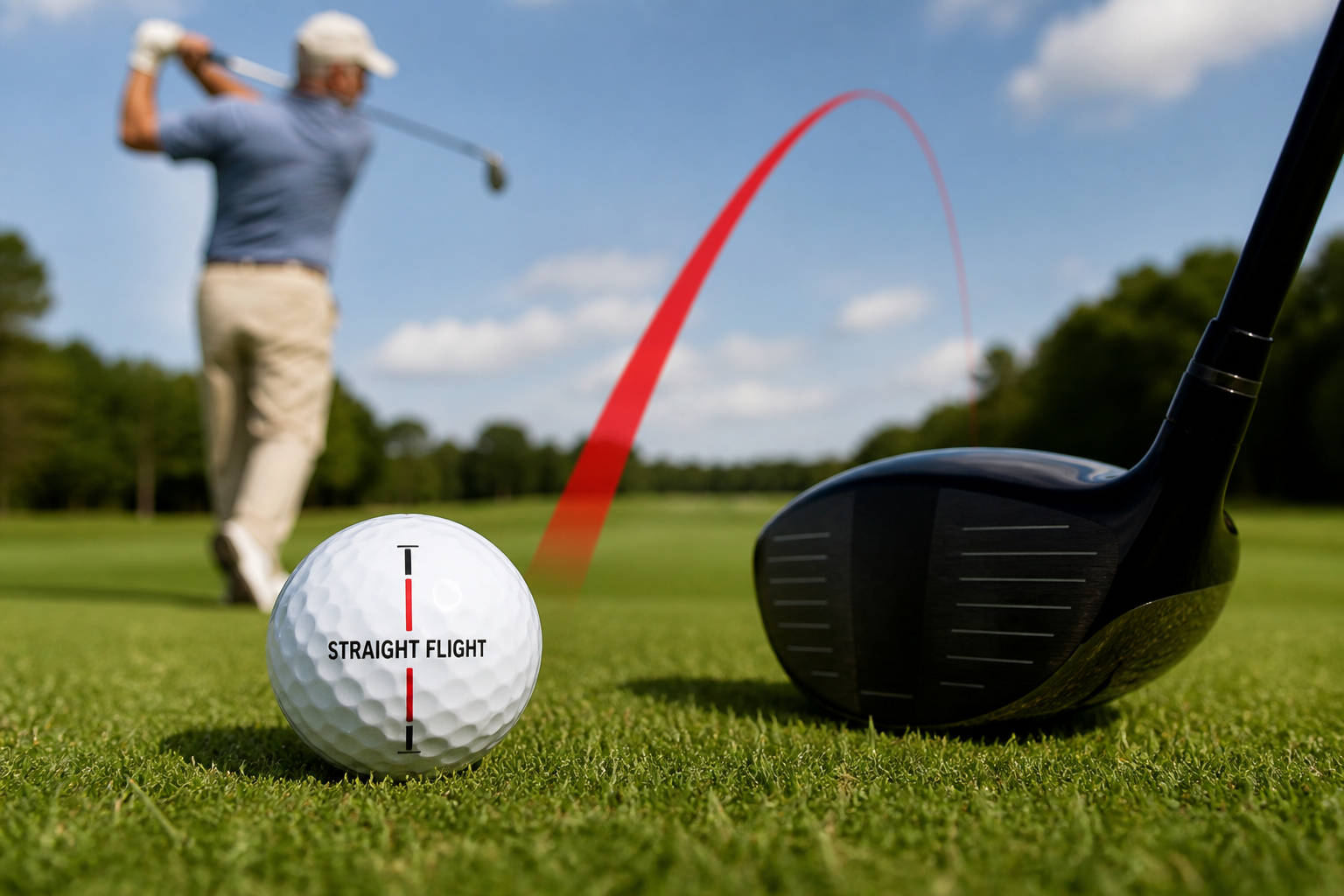
As golfers age, maintaining accuracy off the tee often becomes more challenging, which is why straight flight golf balls are gaining popularity among senior players. These specially designed balls help reduce unwanted side spin, making it easier to keep shots on target. Because swing speed and consistency tend to decline over time, many seniors struggle with slices or hooks that lead to lost distance and frustration. Fortunately, using the right golf ball can make a noticeable difference without requiring major swing changes.

Unlike traditional balls that prioritize spin and control for advanced players, straight flight golf balls are engineered to promote a straighter trajectory. This feature is especially helpful for seniors who want to keep the ball in play and avoid penalties. In many cases, simply switching to a straighter-flying ball can improve confidence and lead to better overall performance.

Why Straighter Ball Flight Matters More With Age

As your swing evolves, the margin for error often becomes smaller. Therefore, even slight mis-hits can produce exaggerated curves in ball flight. Straight flight golf balls help counter this issue by minimizing side spin, which is the primary cause of slices and hooks. As a result, shots tend to stay closer to the intended target line, even on imperfect swings.

Additionally, reduced spin can lead to more predictable distances. When the ball flies straighter, it also rolls more consistently after landing. This consistency makes it easier to plan your shots and manage the course effectively. Because of this, many seniors find that switching to straight flight golf balls improves both accuracy and overall scoring.

Another benefit is the mental boost that comes with seeing straighter shots. Confidence plays a huge role in golf, and consistent ball flight can reduce anxiety over difficult tee shots. Over time, this confidence can translate into smoother swings and better results.

How Straight Flight Technology Works

Modern straight flight golf balls use advanced construction techniques to reduce side spin while maintaining reasonable distance. Typically, they feature a low-compression core that helps generate adequate ball speed, even with slower swing speeds. This design ensures that seniors can still achieve satisfying distance without sacrificing control.

In addition, many straight flight golf balls include aerodynamic dimple patterns that promote a stable trajectory. These patterns help the ball resist wind and maintain a straighter path through the air. Because of this, players can expect more reliable performance in various conditions.

The outer cover also plays an important role. Softer covers can provide better feel while still limiting excessive spin. As a result, seniors can enjoy improved control around the greens without losing the benefits of straighter ball flight.

Choosing The Right Ball For Your Swing

Selecting the right golf ball involves more than just picking a popular brand. When considering straight flight golf balls, it is important to match the ball to your swing speed and playing style. For most seniors, low-compression balls are the best option because they require less force to compress and generate distance.

Furthermore, consider how the ball performs in different areas of your game. While straight flight is important off the tee, you also need a ball that offers reasonable control on approach shots and around the greens. Balancing these factors ensures that you get the most benefit from your equipment.

It is also helpful to test different options on the course. Trying a few types of straight flight golf balls allows you to see which one feels best and delivers the most consistent results. Over time, this experimentation can lead to better decision-making and improved performance.

Common Mistakes When Switching Golf Balls

While straight flight golf balls offer clear advantages, some golfers make mistakes when transitioning to them. One common issue is expecting instant perfection. Although these balls reduce side spin, they cannot completely eliminate swing flaws. Therefore, it is important to maintain realistic expectations and continue working on your technique.

Another mistake is choosing a ball that is too firm. High-compression balls may reduce spin, but they can also feel harsh and limit distance for slower swing speeds. For this reason, seniors should prioritize softer options that provide both comfort and performance.

Additionally, some players switch balls too frequently. Consistency is key in golf, and using the same ball allows you to better understand its behavior. By sticking with one type of straight flight golf balls, you can build familiarity and improve your overall game.

How These Golf Balls Improve Confidence And Consistency

Confidence is often the difference between a good round and a frustrating one. Straight flight golf balls help build confidence by producing more predictable results. When you know your ball is less likely to curve dramatically, you can swing more freely and focus on your target.

Moreover, consistent ball flight leads to better course management. Instead of worrying about avoiding hazards, you can concentrate on positioning your shots strategically. This shift in mindset can significantly improve scoring, especially for senior golfers.

Consistency also extends to your practice sessions. When your ball behaves reliably, it becomes easier to identify areas for improvement. Because of this, using straight flight golf balls can enhance both your practice and your performance on the course.

When To Use Straight Flight Balls For Best Results

Understanding when to use these balls can maximize their benefits. For example, they are particularly useful on tight courses where accuracy is more important than distance. In these situations, keeping the ball in play can save multiple strokes.

They are also ideal during rounds when your swing feels slightly off. Instead of struggling with inconsistent shots, you can rely on the ball’s design to help maintain control. This adaptability makes straight flight golf balls a valuable option for many situations.

Weather conditions can also influence your choice. On windy days, a ball that flies straighter can reduce the impact of gusts and improve overall performance. By adjusting your equipment to match the conditions, you can play more effectively.

Long-Term Benefits For Senior Golfers

Over time, using straight flight golf balls can lead to noticeable improvements in your game. Reduced side spin means fewer lost balls and more shots staying in play. This consistency not only improves scores but also makes the game more enjoyable.

Additionally, these balls can extend your playing years. By compensating for changes in your swing, they help you remain competitive without requiring major physical adjustments. This adaptability is especially valuable for seniors who want to continue enjoying golf at a high level.

The financial benefits should not be overlooked either. Losing fewer balls means spending less on replacements. While this may seem like a small advantage, it adds up over time and contributes to a more cost-effective approach to the game.

Conclusion

Straight flight golf balls offer a simple yet effective solution for seniors looking to improve accuracy and consistency. By reducing side spin and promoting a straighter trajectory, they help keep shots in play and build confidence on the course. While they cannot replace good fundamentals, they provide valuable support that enhances overall performance.

Choosing the right ball, using it consistently, and understanding its benefits can make a significant difference in your game. As your swing continues to evolve, these balls allow you to adapt without sacrificing enjoyment or results. Ultimately, they represent a smart and practical choice for senior golfers who want to play with confidence and control.

FAQ

1. Do these golf balls really reduce slices and hooks?
Yes, they are designed to minimize side spin, which helps reduce excessive curve on shots.

2. Are they suitable for slower swing speeds?
Most options are built with low compression, making them ideal for players with reduced swing speed.

3. Will I lose distance by using them?
In many cases, distance remains similar or even improves due to better launch and roll.

4. Can beginners benefit from straighter ball options?
Yes, they are helpful for any golfer who struggles with accuracy and consistency.

5. How do I choose the best ball for my game?
Test a few options and focus on feel, distance, and overall consistency to find the right fit.

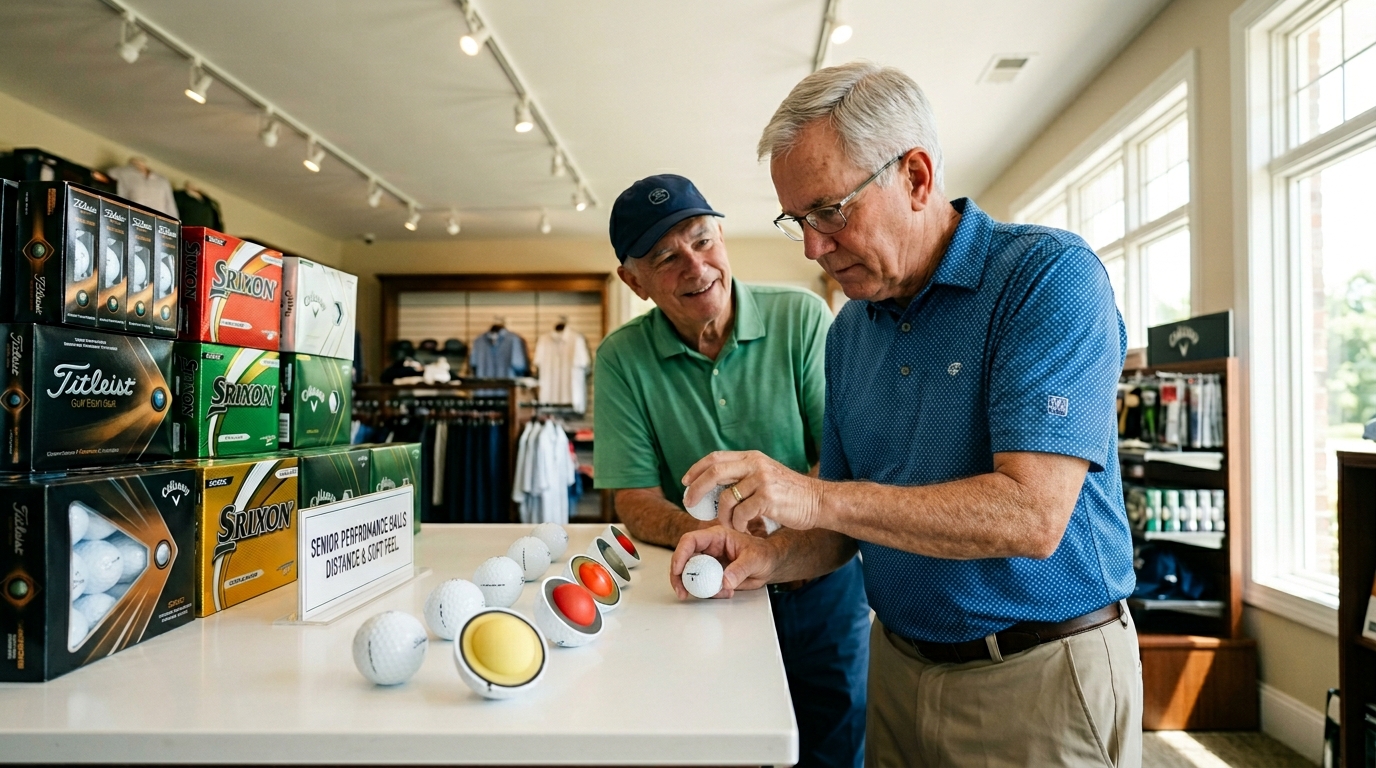
Choosing the right golf ball can make a noticeable difference in your performance, especially as your game evolves over time. For older players, finding golf balls distance feel seniors can rely on is not just about preference but about optimizing both comfort and results. The right ball can help you maintain distance while still offering the soft feel needed for control around the greens.

Many seniors assume they must sacrifice one benefit for the other, yet modern golf ball technology has made it possible to achieve both. By understanding what to look for and how different features affect performance, golfers can make smarter choices. As a result, selecting golf balls distance feel seniors prefer becomes a key step toward improving consistency and enjoyment on the course.

Why Distance and Feel Both Matter

Distance and feel are often seen as opposites, but they are equally important for a well-rounded game. Distance helps you reach greens more easily, while feel allows for better control during short shots. For seniors, balancing these two factors is essential.

As swing speed naturally decreases with age, maximizing distance becomes more important. However, relying solely on distance-focused balls can lead to a harder feel, which may reduce control. That is why golf balls distance feel seniors choose must provide a combination of soft touch and efficient energy transfer.

Additionally, feel impacts confidence. When a ball responds predictably, it becomes easier to judge putts and chips. This confidence often leads to better overall performance, making the balance between distance and feel even more valuable.

Understanding Golf Ball Construction

To find the right option, it helps to understand how golf balls are designed. Most balls feature layers that influence both distance and feel. Typically, a softer cover provides better feel, while a firmer core enhances distance.

Two-piece balls are common for players seeking maximum distance. They are durable and often produce longer shots. However, they may lack the soft feel needed for short game precision. On the other hand, multi-layer balls offer more control and spin, which improves feel but may slightly reduce distance.

For this reason, many golf balls distance feel seniors prefer fall somewhere in between. These balls combine a responsive core with a softer outer layer, creating a balanced performance that suits a wide range of playing styles.

Choosing the Right Compression for Seniors

Compression plays a significant role in how a golf ball performs. Lower compression balls are easier to compress, which helps players with slower swing speeds achieve better distance. At the same time, they tend to provide a softer feel.

For seniors, lower compression options often deliver the best results. They allow the ball to react more efficiently to the swing, resulting in improved distance without requiring extra effort. This makes golf balls distance feel seniors choose more forgiving and easier to control.

However, compression is not the only factor to consider. Personal preference still matters, and some golfers may prefer a slightly firmer feel. Testing different options helps determine what works best for your game.

How Cover Material Affects Performance

The cover of a golf ball directly influences feel and control. Softer covers, such as urethane, provide better spin and feel, especially around the greens. This makes them ideal for players who value precision in their short game.

In contrast, ionomer covers are more durable and often promote distance. They are typically found in balls designed for maximum distance. While they may feel firmer, they still offer reliable performance for many players.

When selecting golf balls distance feel seniors should consider how much importance they place on short game control. A softer cover may enhance feel, while a firmer cover may support longer drives. Finding the right balance is key.

Matching Golf Balls to Your Playing Style

Every golfer has a unique playing style, and the right ball should complement it. Seniors who prioritize distance off the tee may lean toward balls with a firmer core. Meanwhile, those who focus on precision around the greens may prefer softer options.

Golf balls distance feel seniors often work best when they align with individual strengths and preferences. For example, a player who struggles with short shots may benefit from a ball with enhanced feel and spin. On the other hand, a golfer looking to regain lost distance may prefer a ball designed for longer carry.

Additionally, course conditions can influence your choice. Softer greens may favor balls with more spin, while firmer conditions may reward distance-focused designs. Adjusting your selection based on these factors can improve overall performance.

The Role of Spin in Distance and Control

Spin is another important factor when choosing a golf ball. Lower spin rates generally promote longer, straighter shots, which is beneficial for distance. Higher spin rates, however, improve control and stopping power on the greens.

For seniors, finding the right level of spin is essential. Too much spin can reduce distance, while too little can make short shots harder to control. That is why golf balls distance feel seniors choose often feature balanced spin characteristics.

By selecting a ball with moderate spin, golfers can enjoy both distance and control. This balance helps maintain consistency across all aspects of the game, from drives to putts.

Testing and Finding Your Ideal Ball

Choosing the right golf ball is not just about reading specifications. Testing different options on the course provides valuable insights into how each ball performs. Seniors should take the time to experiment with various models to find the best fit.

Start by comparing distance off the tee and feel around the greens. Pay attention to how the ball reacts during chips and putts. These observations help identify which golf balls distance feel seniors suit your game.

Additionally, consistency is key. Once you find a ball that performs well, sticking with it helps build familiarity and confidence. Over time, this consistency leads to improved results.

Common Mistakes to Avoid When Choosing Golf Balls

Many golfers make the mistake of choosing balls based solely on price or brand. While these factors matter, they should not be the primary focus. Instead, performance should guide your decision.

Another common mistake is ignoring personal preferences. Golf balls distance feel seniors should match individual playing styles rather than general recommendations. What works for one golfer may not work for another.

Additionally, switching balls too frequently can disrupt consistency. While testing is important, constantly changing options makes it harder to develop a reliable feel. Finding a balance between experimentation and consistency is essential.

Long-Term Benefits of the Right Golf Ball

Selecting the right golf ball offers benefits that extend beyond immediate performance. Over time, using golf balls distance feel seniors prefer can improve confidence and consistency. This leads to better overall results and a more enjoyable experience.

A well-matched ball also reduces frustration. When shots behave as expected, it becomes easier to stay focused and relaxed. This positive mindset contributes to improved performance.

Furthermore, the right ball supports long-term development. As skills evolve, having a reliable ball ensures that improvements are reflected in your results. This makes the process of refining your game more rewarding.

Conclusion

Finding the perfect balance between distance and feel does not have to be complicated. With the right knowledge and a willingness to test different options, seniors can identify golf balls that enhance both aspects of their game. By focusing on key factors such as compression, cover material, and spin, it becomes easier to make informed decisions.

Golf balls distance feel seniors rely on are designed to support both performance and comfort. They allow golfers to maintain distance while still enjoying the control needed for precise shots. Over time, this balance leads to greater confidence and consistency.

Ultimately, the right golf ball helps you play your best game. By choosing wisely and staying consistent, seniors can continue to enjoy golf while improving their performance on the course.

FAQ

  1. What type of golf ball is best for slower swing speeds?
    Lower compression balls are ideal as they help generate better distance with less effort.
  2. Do softer balls reduce distance?
    Not necessarily, as modern designs can provide both soft feel and strong distance performance.
  3. How important is spin for senior golfers?
    Spin affects both control and distance, so finding a balanced option is essential.
  4. Should I use the same ball for every round?
    Yes, consistency helps build confidence and improves overall performance.
  5. Can changing golf balls improve my game?
    Yes, choosing the right ball can enhance both distance and control, leading to better results.

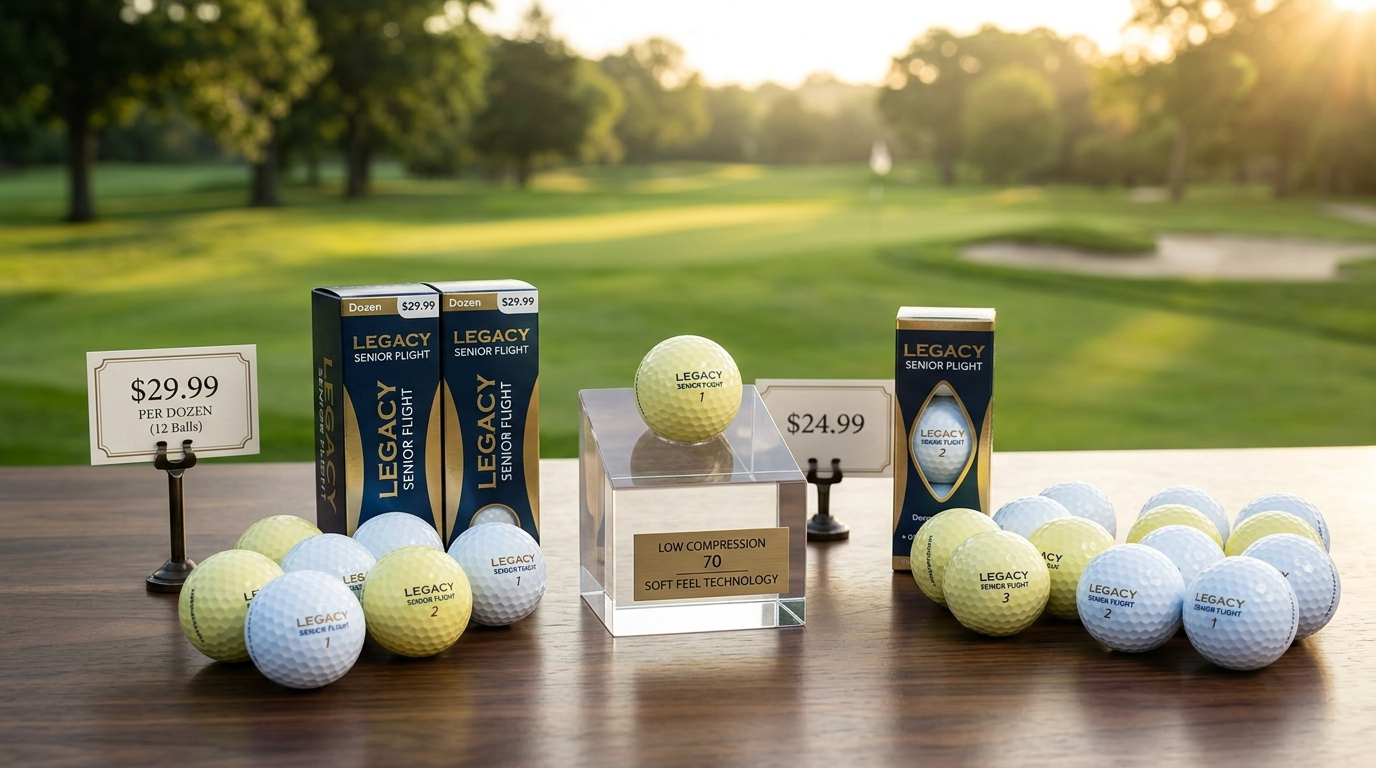
Finding the right golf ball becomes more important as your game evolves, especially if you want performance without overspending. Many golfers assume premium balls always come with a high price tag, yet that’s no longer the case. Today, affordable premium golf balls offer impressive distance, soft feel, and reliable control, making them ideal for senior players who want both quality and value.

As swing speeds naturally decrease with age, equipment must work smarter, not harder. That’s where choosing the right ball plays a crucial role. Instead of chasing expensive options, many players now turn to affordable premium golf balls that deliver consistent results without sacrificing performance. This approach allows you to enjoy the benefits of advanced technology while staying within budget.

Why Senior Golfers Need the Right Ball

Senior golfers face unique challenges, particularly when it comes to maintaining distance and consistency. While clubs are often designed to help with launch and forgiveness, the golf ball completes the equation. Therefore, selecting the right option becomes essential for optimizing every shot.

When you use affordable premium golf balls, you gain access to features once limited to top-tier models. These include soft cores, responsive covers, and optimized aerodynamics. As a result, you can achieve better launch conditions and improved carry distance. Additionally, these balls often provide enhanced feel, which helps you perform better around the greens.

Moreover, the right ball can reduce strain during your swing. Instead of forcing power, you allow the ball to work with your natural motion. This synergy leads to more consistent results and a more enjoyable round.

Understanding Performance Without the High Cost

Premium performance no longer means premium pricing. Advances in manufacturing have made it possible for brands to produce high-quality balls at more accessible price points. Consequently, affordable premium golf balls now rival their more expensive counterparts in many areas.

These balls often feature multi-layer construction, which improves both distance and control. The inner core helps generate speed, while the outer layers enhance spin and feel. Because of this design, senior golfers can benefit from a balanced performance profile.

Furthermore, many of these balls are engineered for moderate swing speeds. This design ensures better compression at impact, leading to increased energy transfer. In turn, you gain more distance without needing extra effort.

Key Features to Look For

When choosing affordable premium golf balls, it helps to focus on specific features that match your needs. Compression is one of the most important factors. Lower compression balls are easier to compress, which suits slower swing speeds. As a result, they help maximize distance while maintaining a soft feel.

Another important feature is spin control. While high spin can improve stopping power, too much spin may reduce distance. Therefore, a mid-spin ball often provides the best balance for senior golfers. This type of ball allows for controlled shots without sacrificing length.

Durability also matters. Although softer balls feel better, they can wear out faster. However, many modern designs combine softness with durability, ensuring longer use without compromising performance.

Additionally, aerodynamics play a role in ball flight. Dimple patterns affect how the ball travels through the air. Optimized designs help reduce drag and maintain a stable trajectory, even in windy conditions.

Balancing Distance and Feel

Distance remains a top priority for many senior golfers. However, feel should not be overlooked. A ball that travels far but feels harsh can affect your confidence, especially on short shots. That’s why affordable premium golf balls aim to deliver both distance and comfort.

Softer balls provide better feedback, which helps you control your shots more effectively. This advantage becomes particularly noticeable when putting or chipping. On the other hand, slightly firmer balls may offer more durability and a different type of feedback.

Finding the right balance depends on your personal preference. Some golfers prefer a softer feel for improved touch, while others enjoy the responsiveness of a firmer ball. Testing different options can help you determine what works best for your game.

How Technology Benefits Senior Players

Modern golf ball technology has transformed the game for senior players. Manufacturers now focus on creating balls that enhance performance without requiring extra effort. As a result, affordable premium golf balls incorporate advanced materials and innovative designs.

For example, many balls feature high-energy cores that boost ball speed. These cores help compensate for slower swing speeds, allowing you to maintain distance. Additionally, soft cover materials improve spin and control, giving you more precision around the greens.

Moreover, improved dimple patterns enhance aerodynamics. These designs help the ball maintain a stable flight, even in challenging conditions. Consequently, you can achieve more consistent results across different courses and weather scenarios.

Common Mistakes When Choosing Golf Balls

Despite the wide range of options available, many golfers still make common mistakes when selecting a ball. One of the most frequent errors is choosing based solely on price. While budget matters, performance should always come first.

Another mistake is sticking with the same ball for years. As your swing changes, your equipment should adapt. Therefore, revisiting your ball choice can lead to noticeable improvements.

Additionally, some players focus only on distance. While distance is important, ignoring feel and control can hurt your overall performance. That’s why affordable premium golf balls that offer a balanced profile are often the best choice.

Testing and Finding Your Ideal Match

Choosing the right golf ball involves more than reading specifications. Testing different options allows you to experience how each ball performs in real conditions. During practice rounds, pay attention to distance, feel, and control.

Notice how the ball reacts on different shots. For instance, observe how it performs on drives, approach shots, and putts. This hands-on approach helps you identify the ball that suits your playing style.

Consistency is also key. Once you find a ball that works well, stick with it. Using the same ball regularly helps you develop better feel and confidence.

Getting the Best Value for Your Game

Value goes beyond price. While affordable premium golf balls cost less than top-tier options, they still deliver impressive performance. This combination makes them an excellent choice for senior golfers.

Buying in bulk can further reduce costs. Many brands offer discounts for larger purchases, allowing you to save money over time. Additionally, keeping an eye on seasonal promotions can help you find great deals.

However, value also includes performance. A slightly more expensive ball that lasts longer and performs better may offer greater overall savings. Therefore, consider both price and performance when making your decision.

Building Confidence Through Better Equipment

Confidence plays a significant role in golf. When you trust your equipment, you can focus on your technique and strategy. Affordable premium golf balls provide the reliability needed to build that confidence.

With the right ball, you can approach each shot with assurance. This mindset leads to better swings and improved results. Over time, this confidence can have a positive impact on your entire game.

Furthermore, knowing you’ve made a smart investment adds to your enjoyment. You can play with peace of mind, knowing your equipment supports your performance.

Conclusion

Choosing affordable premium golf balls is a smart way for senior golfers to enhance their performance without overspending. These balls offer a combination of distance, feel, and control that suits evolving swing speeds and playing styles.

By focusing on features like compression, spin, and durability, you can find a ball that matches your needs. Additionally, testing different options helps you discover what works best for your game.

Ultimately, the right ball can improve your confidence and consistency on the course. With so many high-quality options available, there’s no need to compromise between performance and affordability. Instead, you can enjoy the best of both worlds and continue playing your best golf.

FAQ

1. What makes a golf ball suitable for senior players?
A suitable ball typically has low compression, soft feel, and optimized distance for slower swing speeds.

2. Are lower-priced premium balls still high quality?
Yes, many budget-friendly options now include advanced technology and deliver excellent performance.

3. How do I know if a ball matches my swing?
Testing different balls during practice rounds helps you identify which one feels and performs best.

4. Should I prioritize feel or distance?
A balanced ball that offers both is usually the best choice for consistent performance.

5. Can switching golf balls really improve my game?
Yes, using the right ball can enhance distance, control, and overall confidence on the course.

Titleist vs Callaway golf balls is a debate many senior golfers revisit when trying to maximize distance and control. While both brands dominate the market, their designs cater to slightly different performance needs. As a result, choosing the right ball can noticeably impact consistency and scoring.

For players over 50, swing speed, feel preference, and short-game priorities often differ from younger golfers. Therefore, selecting the best model requires understanding how each brand approaches construction and performance.

When comparing Titleist vs Callaway golf balls, seniors should focus on launch, spin, compression, and durability rather than tour popularity alone.

Understanding Compression and Senior Swing Speed

Compression plays a major role in performance. Lower compression balls typically compress more easily at moderate swing speeds. Because many seniors swing between 70–90 mph with the driver, this factor matters.

In the Titleist vs Callaway golf balls discussion, both brands offer low-compression models. Titleist provides options like the Tour Soft and TruFeel. Meanwhile, Callaway offers Supersoft and ERC Soft.

Lower compression often leads to softer feel and easier launch. However, extremely soft balls may increase driver spin slightly. Therefore, balance becomes key.

Testing compression that matches your swing speed ensures maximum energy transfer.

Distance Performance Off the Driver

Distance remains important, even for seniors who prioritize accuracy.

In the Titleist vs Callaway golf balls comparison, Callaway’s Supersoft is widely known for promoting straight flight and easy launch. Because of its low compression core, it suits moderate swing speeds well.

Titleist models such as Tour Soft also deliver reliable carry. However, they often emphasize balanced performance rather than pure softness.

Seniors seeking maximum forgiveness may lean toward softer options. On the other hand, those wanting slightly firmer response might prefer mid-compression choices.

Driver spin rates should remain controlled. Excessive spin reduces rollout and total distance.

Greenside Control and Spin

Short-game performance frequently determines scoring outcomes.

When evaluating Titleist vs Callaway golf balls, seniors should consider wedge spin carefully. Titleist Pro V1 and AVX models provide strong greenside control due to urethane covers.

Callaway Chrome Soft also delivers impressive spin around the greens. Because it combines softness with urethane construction, many seniors appreciate its feel.

If your priority is stopping power on approach shots, urethane-covered balls outperform ionomer-covered distance models.

Precision around the green often outweighs minor distance differences off the tee.

Feel and Feedback

Feel influences confidence. Some seniors prefer a soft, muted sensation. Others like a slightly firmer click.

In the Titleist vs Callaway golf balls debate, Titleist typically offers a crisp yet responsive feel. Callaway models often lean softer, especially in the Supersoft line.

Putting feedback also varies. Softer balls reduce vibration on impact. Therefore, they can enhance touch on fast greens.

Because feel is subjective, personal testing remains essential.

Durability and Cover Technology

Durability affects long-term value.

Titleist and Callaway both use advanced cover materials in premium models. Urethane covers provide spin but may scuff more easily than ionomer.

In the Titleist vs Callaway golf balls comparison, mid-tier balls often last longer while offering solid performance.

If you play frequently, durability becomes important. However, performance gains should not be sacrificed solely for longevity.

A slightly higher investment in premium balls can lead to better scoring opportunities.

Mid-Range Options for Balanced Performance

Not every senior golfer needs tour-level spin.

In the Titleist vs Callaway golf balls lineup, mid-range options provide balanced performance at moderate prices. Titleist Tour Soft and Callaway ERC Soft stand out in this category.

These models combine soft feel with reasonable spin and distance control. Therefore, they suit players seeking versatility.

Balanced balls often work well for seniors who want consistency without extreme spin characteristics.

Launch and Trajectory Considerations

Launch angle significantly influences carry distance.

Titleist balls often produce slightly lower, penetrating flight in certain models like AVX. Meanwhile, Callaway Supersoft promotes higher launch.

In the Titleist vs Callaway golf balls comparison, seniors with slower swing speeds may benefit from higher launch profiles.

Higher trajectory increases carry distance and improves approach stopping power.

Matching ball flight to your natural launch conditions enhances efficiency.

Price Differences and Value

Budget always matters.

Titleist premium models typically sit at the higher end of the price range. Callaway also offers premium pricing but includes budget-friendly alternatives.

In the Titleist vs Callaway golf balls evaluation, value depends on your performance goals. Spending more makes sense if short-game precision improves noticeably.

However, many seniors achieve excellent results with mid-tier balls that cost less.

Value should reflect performance gains, not brand perception alone.

Which Brand Suits Different Senior Profiles

Different swing types benefit from different ball characteristics.

Seniors with moderate swing speed seeking softness and straight flight may favor Callaway Supersoft.

Players wanting stronger greenside spin and firmer feel may prefer Titleist Pro V1 or AVX.

In the Titleist vs Callaway golf balls decision, personal preference and testing outweigh brand loyalty.

Understanding your priorities clarifies the choice.

Testing Before Committing

On-course testing reveals real performance differences.

Buy a sleeve of each option and compare:

  • Driver carry distance
  • Iron trajectory
  • Wedge stopping power
  • Putting feel

During the Titleist vs Callaway golf balls comparison, pay attention to confidence. The ball that feels predictable usually performs best.

Testing under normal playing conditions provides the most reliable feedback.

Common Mistakes Seniors Make When Choosing Balls

Some golfers assume softer always means better. However, too-soft compression may increase unwanted spin.

Others choose tour balls despite lower swing speeds. While premium balls offer control, they may not optimize distance for every player.

In the Titleist vs Callaway golf balls debate, avoid focusing only on marketing claims.

Select based on measurable performance and comfort.

Final Thoughts on Making the Right Choice

The best ball for senior golfers balances distance, feel, and control.

Titleist vs Callaway golf balls presents strong options on both sides. Because each brand offers multiple compression levels and cover technologies, customization becomes possible.

Rather than chasing popularity, focus on launch, spin, and confidence. Small differences in ball design can influence scoring more than expected.

Test carefully, evaluate honestly, and choose the ball that complements your swing. The right decision supports consistent, enjoyable rounds.

FAQ

  1. Are premium golf balls necessary for senior players?
    Not always. Mid-range models often provide excellent balance of distance and control.
  2. Which ball offers softer feel for putting?
    Many seniors prefer Callaway Supersoft or similar low-compression options for softer feedback.
  3. Do tour-level balls help slower swing speeds?
    They can improve greenside control, but may not maximize distance for moderate swing speeds.
  4. How often should I change golf ball models?
    Consider reevaluating when swing speed changes or performance goals shift.
  5. Is compression more important than brand?
    Yes. Matching compression to swing speed typically matters more than brand preference.

High spin golf balls can transform a senior player’s short game almost immediately. Instead of watching chips roll past the hole, you gain stopping power and control. As a result, proximity improves and putts become shorter.

For many older golfers, distance may slightly decline over time. However, scoring still depends heavily on wedge play and touch shots. Therefore, choosing the right ball becomes critical. The right model can help you attack pins confidently without overswinging.

Most importantly, improved spin gives you precision. When the ball reacts predictably, confidence increases. Consequently, your entire scoring game becomes more consistent.

Why Spin Matters More in the Senior Short Game

Spin controls trajectory and stopping power. Without enough spin, chips release too far. With controlled spin, the ball checks and settles closer to the hole.

High spin golf balls are engineered with softer covers. Because of that design, they grip the clubface longer at impact. That added friction creates more backspin, especially on wedges.

Senior golfers often rely on finesse rather than raw power. Therefore, enhanced spin supports that playing style. You do not need to swing harder. Instead, the ball does more of the work around the greens.

Additionally, predictable spin reduces anxiety on tight pin positions. You can land the ball confidently knowing it will react properly.

Understanding Golf Ball Construction

To appreciate the benefits of high spin golf balls, it helps to understand their construction.

Most premium models use:

  • A soft urethane cover
  • Multi-layer cores
  • Advanced dimple patterns

The urethane cover increases friction. As a result, wedge shots generate higher spin rates. Meanwhile, multi-layer designs balance short-game control with acceptable driver distance.

Although two-piece balls may offer durability, they often produce less greenside spin. Therefore, seniors seeking precision should consider tour-level or soft multi-layer options.

Because technology has improved, many modern balls now offer both feel and forgiveness.

How Softer Covers Improve Wedge Control

Feel matters in the short game. Softer covers provide a responsive sensation at impact. That feedback helps you judge distance more accurately.

High spin golf balls respond quickly off the clubface. Consequently, pitch shots check sooner and roll out less. This is especially helpful on fast greens.

Furthermore, softer balls reduce the need for aggressive swings. You can make a smooth motion and still achieve stopping power.

Many senior players notice immediate improvement in bunker shots as well. Because the ball grips the grooves effectively, explosion shots land softer and stay closer.

Balancing Spin and Distance for Seniors

Some golfers worry that extra spin reduces distance. While excessive driver spin can cost yards, modern designs manage this balance well.

High spin golf balls typically increase spin around the greens more than off the driver. Therefore, you gain control where it matters most without sacrificing too much distance.

For senior players, approach accuracy often outweighs maximum length. If you hit more greens and leave shorter putts, scores drop naturally.

Moreover, controlled driver spin can even improve fairway accuracy. When backspin stabilizes ball flight, dispersion tightens.

Short Game Precision: Where Scores Are Saved

Most strokes are lost within 100 yards. Therefore, the short game deserves serious attention.

High spin golf balls shine in the following areas:

  • Greenside chips
  • Pitch shots from 30–80 yards
  • Bunker play
  • Partial wedge approaches

Because these shots require touch, spin consistency is essential. When the ball reacts the same way each time, you develop trust.

Trust eliminates hesitation. As a result, tempo improves and contact becomes cleaner.

Additionally, seniors often play courses with firm greens. Extra stopping power becomes even more valuable in those conditions.

Feel and Feedback for Better Touch

Touch shots depend on feedback. If the ball feels firm and unresponsive, judging speed becomes harder.

High spin golf balls typically offer a softer feel. That softness enhances feedback off the putter and wedges. Consequently, distance control improves on both chips and putts.

Furthermore, better feel reduces deceleration. When you trust the ball’s response, you commit fully to the stroke.

Confidence, once built, carries into every round.

Course Conditions and Spin Performance

Not all courses are the same. Weather and turf conditions influence performance significantly.

On soft greens, moderate spin may be enough. However, on dry or windy days, extra spin becomes crucial.

High spin golf balls perform particularly well in firm conditions. Because they grab quickly, approach shots stop closer to the pitch mark.

Additionally, windy conditions can exaggerate rollout. Controlled spin helps counter that effect.

Senior golfers who travel or play various courses benefit from versatile spin characteristics.

Common Myths About High-Spin Models

Several misconceptions discourage golfers from trying premium balls.

First, some believe they are only for professionals. In reality, seniors often benefit more because precision matters greatly in their scoring strategy.

Second, players assume higher spin makes slices worse. However, side spin differences are minimal in modern designs. Swing path influences curvature far more than ball type.

Third, cost concerns arise. Although premium balls cost more, improved proximity and fewer strokes can offset that expense.

Therefore, testing a sleeve may reveal unexpected gains.

Testing and Finding the Right Fit

Every golfer’s swing is unique. Consequently, testing matters.

Start by comparing two or three high spin golf balls during short-game practice. Hit identical chip shots and observe rollout differences.

Pay attention to:

  • Check on first bounce
  • Overall rollout distance
  • Feel off the wedge
  • Confidence level

Additionally, test bunker shots and partial pitches. Notice how quickly the ball settles.

Because seniors often value consistency, choose the ball that delivers repeatable results.

Technique Still Matters

While equipment helps, technique remains essential.

Clean grooves enhance friction. Therefore, keep wedges well maintained.

Moreover, focus on crisp contact. Even the best high spin golf balls require proper strike to perform fully.

Practice landing spots rather than hole locations. When you control landing position, spin manages the rest.

Combining solid fundamentals with the right ball creates the best results.

Mental Confidence Around the Greens

Short-game anxiety affects many senior players. Fear of blading or chunking shots creates tension.

However, predictable performance reduces stress. High spin golf balls provide assurance that well-struck shots will stop appropriately.

As confidence grows, tempo smooths out. Consequently, mistakes decrease.

Confidence may be the most underrated advantage of improved spin technology.

Durability and Value Considerations

Urethane covers can scuff more easily than harder ionomer covers. However, durability has improved significantly in recent years.

Many high spin golf balls now resist wear while maintaining soft feel. Therefore, longevity concerns are less significant than before.

If you rotate balls regularly and inspect for damage, performance remains consistent.

Ultimately, investing in the right ball supports better scoring outcomes.

Final Thoughts on Short Game Mastery

Scoring well as a senior golfer depends heavily on control, not power. Therefore, selecting the proper ball becomes a strategic decision.

High spin golf balls enhance stopping power, improve touch, and build trust. Because of these benefits, seniors can attack flags more confidently and save strokes around the green.

While distance matters, proximity matters more. When chips check properly and pitches settle quickly, putting becomes easier.

Test different models, observe reactions, and choose the one that feels best. Over time, the right equipment combined with sound fundamentals will sharpen your precision.

Better control leads to lower scores. And lower scores make the game even more enjoyable.

FAQ

  1. Are softer golf balls always better for senior short games?
    Not always. However, softer urethane-covered balls typically provide more greenside spin and better feel.
  2. Do premium balls reduce driver distance?
    Modern designs balance spin carefully. Most seniors notice little to no significant distance loss.
  3. How can I test short-game performance effectively?
    Practice identical chip shots with different balls and compare rollout, stopping power, and feel.
  4. Will higher spin increase slices or hooks?
    Ball design has minimal effect on curvature compared to swing path and clubface angle.
  5. How often should I replace a scuffed ball?
    Replace it once the cover shows noticeable cuts or damage, as surface wear can reduce spin consistency.

Cold weather golf balls play an important role in maintaining performance when temperatures drop. For senior golfers, colder air often causes standard golf balls to feel firm and unresponsive. As a result, distance loss and poor feedback become common problems. However, the right golf ball can reduce those issues significantly.

Instead of forcing extra swing speed, smarter equipment choices make a bigger difference. Because cold weather golf balls stay flexible in low temperatures, they preserve feel and launch. In turn, confidence improves and performance stays steady.

Why Cold Temperatures Affect Golf Ball Performance

Temperature changes how golf balls behave. When air gets colder, internal materials stiffen and resist compression. Because of this, energy transfer becomes less efficient.

Senior golfers feel this change more clearly. Swing speeds are usually moderate. Therefore, standard golf balls fail to compress properly. Distance drops quickly.

Cold weather golf balls counteract that stiffness. As a result, shots launch more consistently and feel improves.

Why Seniors Benefit Most From Cold Weather Golf Balls

Every golfer notices cold conditions. Seniors, however, often experience the effects sooner.

Reduced flexibility and slower warmups make timing harder. In addition, cooler muscles limit speed. Because of these factors, consistency suffers.

Cold weather golf balls help restore balance. By compressing easily, they allow smoother swings. Consequently, rhythm returns and confidence improves.

Compression Becomes Critical in Cold Conditions

Compression matters in all seasons. During cold weather, it becomes essential.

High-compression balls already feel firm in warm air. In colder temperatures, they feel harsh and unresponsive. Therefore, distance loss becomes unavoidable.

Cold weather golf balls usually feature low-to-mid compression. As a result, energy transfer stays efficient and distance remains playable.

How Cold Weather Golf Balls Help Maintain Distance

Cold air is denser than warm air. Because of that, carry distance naturally decreases.

Cold weather golf balls reduce this penalty. Softer cores generate higher launch. Meanwhile, optimized dimple patterns improve airflow.

As a result, shots travel farther than they would with standard balls.

Feel and Feedback During Cold Rounds

Feel disappears quickly in cold conditions. Without feedback, distance control becomes guesswork.

Cold weather golf balls preserve feel through flexible covers. Consequently, impact sensation remains consistent.

Because feedback returns, short-game confidence improves.

Spin Control in Lower Temperatures

Cold conditions can alter spin behavior. Balls may react unpredictably on mishits.

Cold weather golf balls are designed for controlled spin. Therefore, side spin stays manageable off the tee. On approach shots, spin remains predictable.

As a result, shot planning becomes easier.

Why Dimple Design Matters More in Cold Air

Dense air exaggerates aerodynamic flaws. Poor dimple patterns become obvious quickly.

Cold weather golf balls use optimized dimple geometry. In turn, lift is maintained and drag is reduced.

For seniors, this stability leads to straighter shots.

Cold Weather Golf Balls vs Standard Golf Balls

Standard golf balls are built for average conditions. Cold weather exposes their weaknesses.

Cold weather golf balls remain flexible. Therefore, compression stays consistent. Performance becomes predictable.

After switching, many golfers notice improvement within a few holes.

Who Should Use Cold Weather Golf Balls

Year-round players benefit the most from seasonal adjustments. Senior golfers, in particular, gain consistency.

Moderate swing speeds combined with cold temperatures magnify stiffness issues. Because of this, cold weather golf balls provide immediate value.

Even skilled players appreciate the reliability.

Confidence Gains That Should Not Be Ignored

Cold weather often damages confidence. Missed shots create doubt. Tension follows.

Cold weather golf balls help rebuild trust. When shots respond correctly, swings relax. Ultimately, performance improves.

Choosing the Right Cold Weather Golf Ball

Selecting a cold weather golf ball does not need to feel complicated. Focus on compression and feel.

Look for low or mid compression designs. In addition, avoid tour-level balls built for high swing speeds.

Testing during a cold round usually reveals the difference.

Course Conditions and Seasonal Adjustments

Cold weather brings firmer fairways and slower greens. Rough also thickens.

Cold weather golf balls adapt well to these changes. Because feel improves, control becomes easier.

Seasonal golf feels more manageable.

Durability in Cold Temperatures

Some golf ball covers become brittle in cold weather. Cracking becomes a concern.

Cold weather golf balls use resilient materials. As a result, durability remains strong.

Reliability matters during winter play.

Affordable Options for Cold Weather Play

Specialized does not always mean expensive. Many cold weather golf balls remain budget-friendly.

Lower cost often reflects simpler construction. Therefore, value stays high.

Switching From Warm-Weather Golf Balls

Seasonal switching may feel unfamiliar at first. However, adaptation happens quickly.

Cold weather golf balls feel softer immediately. Consequently, distance stabilizes.

Returning to standard balls often feels unnecessary.

Playing Smarter as Conditions Change

Golf rewards adaptation over force. Cold weather reinforces that truth.

Cold weather golf balls support smarter play. They preserve rhythm. They reduce frustration.

As a result, seasonal golf becomes enjoyable again.

Conclusion

Cold weather golf balls help seniors maintain consistency when temperatures fall. By preserving feel, compression, and stable flight, they reduce distance loss and improve accuracy. Confidence stays intact. Enjoyment remains high. With the right golf ball, cold rounds become opportunities instead of obstacles.

FAQ

1. What makes a golf ball suitable for cold weather?
Cold weather golf balls use softer cores and more flexible covers. Because of this design, they compress better in low temperatures and maintain consistent feel.

2. Do cold weather golf balls help seniors maintain distance?
Yes, they do. By improving compression and launch efficiency, these balls reduce distance loss that normally occurs in colder air.

3. Should seniors switch golf balls when temperatures drop?
Absolutely. Switching helps preserve feel, control, and confidence during cold rounds. As a result, performance stays more predictable.

4. Are cold weather golf balls only useful in winter?
Not necessarily. While they perform best in cooler conditions, some seniors prefer them year-round for their softer feel.

5. Can cold weather golf balls improve accuracy for senior golfers?
They can. Because side spin stays more controlled in cold conditions, shots tend to fly straighter and stay more consistent.

Golf naturally changes over time. For many senior players, however, those changes become noticeable when drives stop behaving the way they once did. Shots drift more often, swing speed eases slightly, and contact feels less automatic. Even so, the desire to play well never fades.

Because of that reality, smarter equipment choices matter more than ever. Forgiving golf balls seniors use today are designed to support real swings rather than punish small mistakes. Instead of exaggerating flaws, these balls help stabilize flight and reduce side spin. As a result, accuracy improves and confidence slowly returns.

Rather than chasing raw power, many older golfers now prioritize control and consistency. That shift makes forgiving golf balls an essential part of the modern senior game.

Why Forgiving Golf Balls Matter for Seniors

As golfers age, efficiency gradually replaces speed. While experience improves tempo and course management, physical changes still influence ball performance. Unfortunately, many traditional golf balls remain built for fast swings and high compression.

Forgiving golf balls seniors trust are different. Because they compress more easily, energy transfer becomes smoother at moderate speeds. Therefore, shots launch higher with less effort. Direction also improves without conscious manipulation.

Most importantly, these designs limit side spin. Since side spin causes slices and hooks, reducing it leads directly to more fairways hit and fewer recovery shots.

How Forgiving Golf Balls Promote Straighter Shots

Side spin remains the primary reason golf balls veer offline. Even small mishits can create exaggerated curves when spin is excessive. For that reason, forgiving golf balls address this problem intentionally.

Lower-compression cores absorb impact more efficiently. Consequently, the ball leaves the clubface on a more stable trajectory. At the same time, modern dimple patterns help maintain balance during flight.

In addition, many forgiving golf balls seniors play are engineered to favor straight flight over maximum spin. That balance keeps shots playable even when contact is not perfect.

Compression Explained for Senior Swing Speeds

Compression may sound technical at first, yet it plays a simple role in performance. Lower-compression balls deform more easily at impact, which benefits golfers swinging at moderate speeds.

Forgiving golf balls seniors prefer typically feature low to mid compression. Because of this design, the ball responds better to smooth, rhythmic swings. Distance becomes easier to access, and feel improves noticeably.

By contrast, high-compression balls often feel firm and unresponsive. Since they require speed to activate properly, performance may drop for seniors. Choosing the right compression removes that barrier altogether.

Spin Control Without Losing Touch

Many golfers worry that forgiving golf balls sacrifice feel around the greens. Years ago, that concern was justified. Today, however, modern materials have changed the equation.

Current forgiving golf balls seniors use reduce spin off the tee while preserving touch on approach shots. Advanced ionomer covers now deliver durability alongside responsiveness.

As a result, approach shots still hold greens reasonably well. Putting feedback also remains consistent. Confidence builds through predictability rather than guesswork.

Distance Through Smarter Design

Distance still matters, even when accuracy becomes the priority. The key difference lies in how that distance is achieved.

Forgiving golf balls seniors choose emphasize efficient launch conditions. Higher launch angles and stable flight increase carry distance naturally. Because of that, swinging harder becomes unnecessary.

When carry improves, approach shots shorten. Consequently, scoring chances increase while fatigue decreases.

Why Dimple Design Matters More Than You Think

Dimple patterns often go unnoticed during play. Still, they strongly influence ball flight and stability.

Forgiving golf balls frequently feature optimized dimple geometry. These patterns reduce drag during ascent while stabilizing descent. Wind affects them less, and side movement becomes more predictable.

For seniors, that added stability translates directly into better accuracy. Shots tend to hold their intended line instead of drifting late.

Forgiving Golf Balls vs Tour Golf Balls

Tour-level golf balls reward precision and speed. At the same time, they punish mistakes.

Forgiving golf balls seniors rely on behave differently. Mishits remain playable, ball flight stays controlled, and performance becomes consistent across varying swings.

Because of this difference, many seniors notice immediate improvement after moving away from tour-focused models.

Who Benefits Most From Forgiving Golf Balls

Not all senior golfers play the same way. Still, forgiving golf balls help a wide range of players.

Golfers with moderate swing speeds benefit quickly. Players fighting a slice often see straighter drives. Even experienced seniors appreciate the added consistency.

Ultimately, anyone who values enjoyment over ego gains an advantage.

Confidence as a Performance Multiplier

Confidence influences every swing. When doubt creeps in, tension usually follows.

Forgiving golf balls quietly rebuild trust. Standing on the tee feels calmer. Swings become smoother. Results improve naturally.

That mental benefit often lowers scores more than any swing tip.

How Seniors Should Choose the Right Golf Ball

Choosing a forgiving golf ball does not need to feel overwhelming. Instead, focusing on practical features simplifies the process.

Look for low or mid compression. Seek designs marketed for straight flight or distance forgiveness. At the same time, avoid balls built solely for tour-level spin.

Testing also matters. Playing a casual round with a new ball reveals far more than marketing claims.

Course Conditions and Forgiving Golf Balls

Course conditions vary from day to day. Some fairways absorb shots, while others promote roll.

Forgiving golf balls seniors use adapt well to both scenarios. Their stable flight performs consistently across different surfaces.

Additionally, windy conditions favor forgiving designs. Reduced side spin helps shots stay manageable when weather interferes.

Durability and Value Considerations

Durability matters, especially for frequent players. Fortunately, forgiving golf balls are built to last.

Resilient covers resist scuffing, and performance stays stable longer. Therefore, overall value improves over time.

Many forgiving models also cost less than premium tour balls. Playing better while spending less always feels rewarding.

Transitioning to a Forgiving Golf Ball

Switching balls can feel uncomfortable at first. Still, adjustment usually happens quickly.

Forgiving golf balls seniors move to often feel better immediately. Flight improves, and confidence follows.

After several rounds, the difference becomes obvious.

Playing Smarter as the Game Evolves

Golf does not demand harder swings with age. Instead, it rewards thoughtful adaptation.

Forgiving golf balls align perfectly with that reality. They support rhythm, soften mistakes, and enhance consistency.

Staying in the fairway becomes easier. Enjoyment returns.

Conclusion

Forgiving golf balls seniors trust are built for real swings and real conditions. By reducing side spin, improving launch efficiency, and maintaining feel, these balls help older golfers stay in the fairway without extra effort. Accuracy improves, confidence grows, and most importantly, golf becomes enjoyable again.

FAQ

1. What makes a golf ball forgiving for seniors?
Forgiving golf balls reduce side spin, compress easily, and launch efficiently at moderate swing speeds.

2. Do forgiving golf balls reduce distance?
No. In many cases, distance improves due to better energy transfer and higher launch.

3. Are forgiving golf balls good for experienced senior golfers?
Yes. Many skilled seniors choose them for consistency, accuracy, and confidence.

4. Should seniors avoid tour golf balls?
Tour balls often exaggerate mishits at slower speeds, making forgiving options more practical.

5. How often should seniors replace golf balls?
Replace them when covers scuff or performance becomes inconsistent, regardless of brand.

Scroll to Top
Unlock Your Best Game Yet!

Subscribe To Our Weekly Newsletter

Get exclusive tips, course reviews, and gear insights delivered straight to your inbox. Sign up for our newsletter today!