
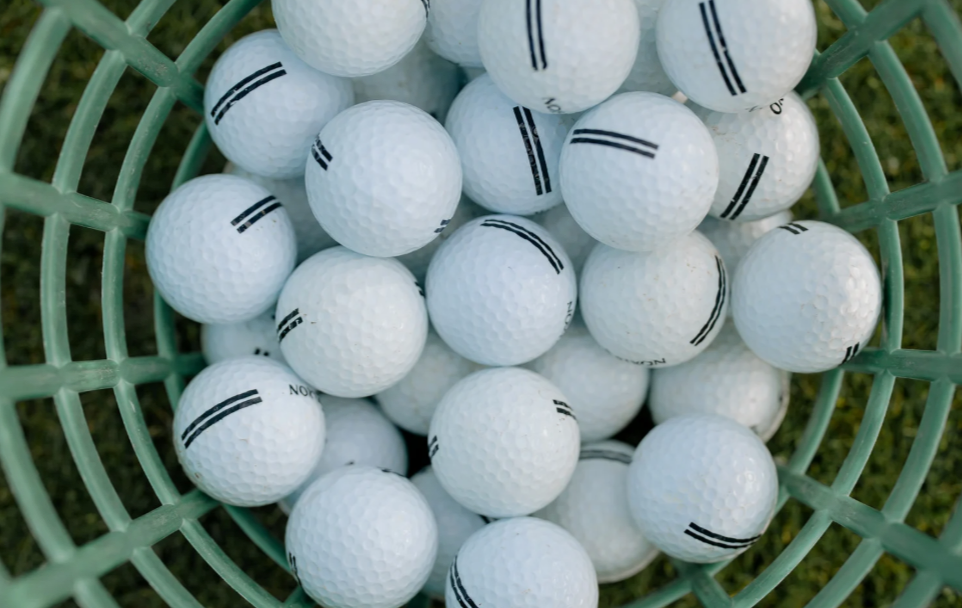
Low compression golf balls have become a breakthrough solution for senior golfers who want more distance without swinging harder. Many players notice that as the years go by, the swing naturally softens. Clubhead speed dips. Contact feels different. Long shots require more effort. Yet the right golf ball can quietly restore yards that once felt out of reach.
Instead of demanding raw power, low compression golf balls respond exceptionally well to moderate or slower speeds. The core flexes more. Energy transfer improves. Ball flight rises gracefully. Those benefits combine into something every golfer appreciates: greater distance with far less strain.
For many seniors, switching to low compression golf balls feels like discovering a hidden shortcut—one that makes the game easier, smoother, and far more enjoyable. This article explores why these golf balls work so well, what makes them different, and how they help senior golfers hit significantly farther.
What Low Compression Golf Balls Are and Why They Matter
Compression refers to how much a golf ball deforms at impact. A low compression golf ball requires less force to compress. When a swing carries less speed, the ball needs to respond instantly and efficiently. A softer core does exactly that.
Traditional higher-compression balls rely on powerful swings. Without enough force, the energy doesn’t transfer properly, and shots fall short. Low compression golf balls fix that problem. The ball compresses easily, even at slower swing speeds, which helps energy move directly into ball speed.
The result is impressive: cleaner contact, higher flight, and more distance.
How Low Compression Golf Balls Help Seniors Hit Farther
More Efficient Energy Transfer
Slow-to-moderate swing speeds need a ball that absorbs energy and returns it quickly. Low compression balls excel at this. The core flexes on impact, acting almost like a spring. Because of this design, a moderate swing still produces solid ball speed.
The difference becomes clear right away. Shots feel softer yet more powerful. Long irons travel higher. Drivers gain carry distance. Even mishits stay online more often.
Higher Launch for Better Carry
Many seniors struggle getting the ball airborne consistently. Low compression golf balls help elevate the shot because the softer core reacts cleanly off the clubface. Higher launch angles mean more carry distance, which is essential for maximizing yardage.
A higher flight also produces gentler landings, giving more control on approaches.
Straighter Ball Flight
Low compression balls reduce spin on off-center strikes. Lower sidespin means fewer dramatic curves. A straighter ball flight keeps shots playable, helping distance accumulate throughout the round.
A ball that stays in the fairway builds confidence and saves strokes.
Improved Feel on All Clubs
Feel matters more as players age. Softer balls deliver smoother feedback through the hands. That comfort encourages relaxed swings, which often results in better tempo and added distance. Wedges, irons, hybrids, and drivers all benefit from this enhanced feel.
Confidence grows when impact doesn’t feel harsh.
Better Performance in Cold Weather
Compression increases in colder temperatures. A high-compression ball becomes even firmer when the air gets chilly. A low compression ball maintains its responsiveness, keeping performance steady even on cool mornings.
Senior golfers often play early, so this subtle advantage matters.
Why Low Compression Golf Balls Are Perfect for Slower Swing Speeds
Swing speed naturally declines with age. That’s normal. The right equipment simply helps adjust to that change. Low compression balls cater to swing speeds typically under 90 mph—exactly where most senior players fall.
A ball that compresses easily matches the rhythm of a smoother, more controlled swing. Yardage returns not through extra effort, but through smart design.
How Low Compression Balls Improve Short Game Performance
The benefits continue around the green. Softer balls enhance touch on chips and pitches. Distance control becomes more predictable. The ball checks slightly on landing without feeling overly soft.
Putting becomes smoother as well. A gentle strike rolls the ball consistently toward the hole. Reduced skidding leads to truer rolls, which helps senior golfers avoid unnecessary three-putts.
The Science Behind Compression and Distance
A golf ball needs to compress to gain speed. When compression doesn’t match swing speed, performance suffers. With a firmer ball, a slower swing fails to deform the core. Energy is wasted instead of redirected.
A low compression golf ball compresses with ease. The stored energy then rebounds instantly, increasing ball speed. This process is simple physics, but the difference on the course is dramatic.
Distance is regained. Launch improves. Consistency increases.
Who Benefits Most From Low Compression Golf Balls?
While these balls help many types of golfers, senior players see the biggest benefits. Anyone with slower swing speeds appreciates the extra height and distance. Golfers dealing with joint discomfort also value the softer impact feel.
For many seniors, the shift to a low compression ball brings immediate improvement—no swing change required.
Signs It’s Time to Switch to Low Compression Golf Balls
Certain clues indicate that a different ball would perform better:
Driver shots that fall too quickly
Long irons that won’t launch high enough
A harsh, firm feel at impact
Loss of distance despite solid contact
Frequent low bullet shots
Difficulty stopping the ball on greens
When these patterns appear, a softer ball often becomes the ideal fix.
How Low Compression Golf Balls Influence Confidence
Confidence grows when equipment supports natural ability. A ball that rises quickly, flies straighter, and produces more distance creates optimism on every tee box. With each predictable shot, pressure decreases. Golf feels lighter and more enjoyable.
A confident golfer swings with rhythm, not fear. Low compression balls help make that possible.
Choosing the Right Low Compression Golf Ball
Not all low compression balls perform the same. Seniors should look for:
Soft feel without being mushy
Low-to-mid spin for straighter flight
Durable cover materials
Compression ratings between 30 and 70
Consistent flight and predictable roll
Finding the right balance of softness and control enhances performance from tee to green.
Common Myths About Low Compression Golf Balls
Myth 1: They’re only for beginners.
Faster swingers may prefer firmer balls, but seniors with moderate speeds benefit most from softer compression.
Myth 2: Soft balls lack durability.
Modern materials have improved durability dramatically, even in softer cores.
Myth 3: Low compression means short game inconsistency.
Advanced cover technology ensures excellent greenside performance.
Myth 4: Softer balls spin too much off the driver.
Many are engineered for low driver spin to increase distance.
Practical Tips to Maximize Distance With Low Compression Balls
Use a smooth tempo to take advantage of the ball’s flex.
Tee the ball slightly higher with the driver to increase launch.
Choose the right loft on the driver for slower speeds.
Keep grip pressure relaxed to encourage full compression.
Swing freely, allowing the club to rotate naturally.
These small adjustments make a noticeable difference.
The Hidden Advantage: Reduced Fatigue
Low compression balls reduce shock on mishits. A softer feel lowers stress on joints and muscles. That comfort becomes increasingly valuable during long rounds. Less fatigue means fresher swings and more enjoyable golf throughout all 18 holes.
Conclusion
Low compression golf balls give senior golfers an immediate and meaningful advantage. By improving energy transfer, height, distance, and feel, these balls help mature swings regain their spark. Every shot begins to feel smoother and more controlled. Carry distance increases without extra strain. Fairways become easier to hit. Approaches fly higher with softer landings. For any senior wanting a simple change that creates a big impact, low compression golf balls may be the most effective upgrade of all.
FAQ
1. What makes low compression golf balls ideal for seniors?
They compress easily, producing higher launch and more distance at slower swing speeds.
2. Do low compression balls increase distance?
Yes. The softer core helps generate more ball speed, resulting in longer shots.
3. Are these balls good for short game control?
Many low compression balls offer excellent feel and reliable greenside spin.
4. Will a softer ball feel too soft off the driver?
Modern designs balance softness with stability, so impact still feels solid.
5. What swing speeds benefit most from low compression golf balls?
Golfers swinging under 90 mph typically gain the most from using softer compression.