
SeniorGolfLife

Golf Balls

Golf balls play a critical role in your performance, especially as a senior golfer. The right golf ball can increase distance, improve control, and help you shoot lower scores. As swing speed changes with age, selecting a ball with lower compression and soft feel becomes essential. These balls launch higher and travel farther with less effort.

At SeniorGolfLife, we review the best golf balls for seniors to help you find the perfect match for your game. Whether you’re new to golf or a lifelong player, the right ball can make every round more enjoyable and effective.

Watching your ball disappear into the sky—or vanish in the rough—is frustrating for golfers of any skill level. That’s why high visibility golf balls have become essential tools for players who want clearer tracking, brighter flight, and easier locating on the course. These balls use bold colors, high-contrast covers, and unique patterns that make each shot easier to follow from impact to landing. High visibility golf balls offer confidence, speed up play, and reduce wasted strokes caused by lost balls.

Many golfers choose them for practical reasons, but they also improve performance by giving you clearer visual feedback. The mind stays calmer when you never wonder, “Where did that go?” When the ball is easy to track, focus stays sharp, tempo improves, and swings feel more relaxed. Let’s explore how these balls help every golfer—from beginners to seniors—experience smoother, more enjoyable rounds.

Why High Visibility Golf Balls Improve the Golf Experience

A traditional white ball can disappear against bright skies or blend into fall fairways. High visibility golf balls solve this by using neon pigments, matte finishes, and reactive coatings that stand out in any light. These balls enhance contrast during flight, making it easier to track the arc and spin.

Golfers benefiting most include:

Seniors who want clearer flight visibility.
Beginners learning to understand ball flight.
Players with vision limitations or glare sensitivity.
Golfers who play early mornings or late afternoons.

Tracking the ball from the moment it leaves the clubface provides instant feedback. You recognize shape, height, and direction more easily. That clarity helps you adjust your swing, refine aim, and make smarter decisions throughout the round.

Brighter Colors That Stand Out in All Conditions

High visibility golf balls use colors engineered for maximum contrast. These shades remain bright on sunny days, cloudy afternoons, and dim evening rounds. They also stand out beautifully against grass, sand, and water.

Popular high visibility colors include:

Yellow
Orange
Green
Pink
Red
Matte neon blends
Multi-colored patterns

Yellow remains the most widely chosen option because it offers strong contrast in nearly all conditions. Orange excels in low sunlight. Pink and green stand out especially well in longer grass. Red brings sharp contrast on overcast days and brownish winter turf.

Color isn’t just a preference—it’s a performance enhancer.

Matte Finishes That Reduce Glare

Some golfers struggle with shiny golf balls reflecting sunlight. Glare creates momentary blindness that makes tracking difficult. Matte-finish high visibility golf balls remove this distraction completely.

Matte covers absorb light instead of bouncing it back. This creates a smooth, glare-free surface that stays visible even when the ball rotates quickly. Matte finishes also maintain visibility in rain or fog when glossy balls become harder to track.

Golfers who experience eye strain often prefer matte balls because they feel easier on the eyes.

Advanced Patterns That Improve Spin Visibility

Many high visibility golf balls include multi-pattern prints that highlight spin. Designs like triple lines, tricolor panels, or geometric prints help golfers see how the ball rotates during flight.

Patterned balls assist with:

Reading your shot shape
Understanding sidespin
Improving putting alignment
Visualizing roll-out

These patterns act like swing feedback tools. When you see the pattern turn consistently, you know your stroke follows the intended path. Patterns improve putting performance by reinforcing straight roll and helping diagnose misses.

How High Visibility Golf Balls Improve Accuracy

Finding the ball faster saves strokes. But clear visibility also helps accuracy because golfers react better when they see the immediate result of each swing.

The brain processes visual data faster when the object stands out. That means your alignment, tempo, and rhythm adjust naturally after watching the ball flight. High visibility golf balls give you instant information:

Did you leave the face open?
Did your launch angle match your intent?
Did the ball curve right immediately?
Did you achieve the height you expected?

This quick feedback builds smarter decisions and supports a more confident swing.

High Visibility Balls for Slower Swing Speed Golfers

Seniors and moderate-swing golfers gain extra benefits from high visibility golf balls. When swing speed slows, ball flight sometimes appears lower or shorter. High visibility colors counteract that by accentuating the ball in the air.

Seniors also appreciate how bright balls stand out in rough or bushes. Less bending, less searching, less strain—more focus on the next shot.

High visibility designs pair well with:

Low compression balls
High-launch golf balls
Distance-focused models

These combinations make each shot easier to see, understand, and repeat.

How High Visibility Makes Putting and Chipping Easier

Visibility doesn’t matter only in full shots. It plays a huge role in the short game. Golfers need sharp feedback when rolling putts or hitting delicate chips.

High visibility balls help golfers:

See the roll pattern clearly
Identify off-center contact
Judge speed and break more accurately
Improve focus during setup

Even small differences in roll become easier to detect. That helps you refine touch and consistency.

Using a bright ball also enhances putting alignment when paired with contrasting stripes or alignment arrows. A straight roll becomes visually obvious.

Why Beginners Benefit from High Visibility Balls

New golfers often struggle with ball tracking. Losing sight of the ball causes confusion and discouragement. High visibility golf balls solve that problem immediately.

Beginners learn faster when they can see:

Launch angle
Curvature
Spin patterns
Landing zones

Mistakes become teachable moments rather than mysteries. High visibility designs build early confidence by keeping every shot in view from start to finish.

Reduced Ball Loss Saves Money and Time

Losing a ball doesn’t just hurt the scorecard—it hurts the wallet too. High visibility golf balls reduce the number of lost balls dramatically. Even if a shot veers offline, bright colors stand out against complex backgrounds.

Finding your ball quickly also keeps your pace of play smooth. Faster play means more enjoyable rounds and less frustration between shots.

You save money, time, and mental energy.

How to Choose the Best High Visibility Golf Balls

Selecting the right ball depends on visibility needs and swing characteristics. Consider:

Your preferred color under sunlight
Whether you prefer matte or glossy finish
Patterned vs. solid designs
Compression rating for your swing speed
Cover durability
Short-game feel

Some brighter colors work better on certain courses. Yellow shines on lush green courses. Orange excels on brown winter turf. Green stands out on sandy layouts.

Trying different colors helps you find your ideal match.

Balancing Visibility with Performance Features

High visibility does not replace performance—it enhances it. Many bright golf balls maintain the same technology as their white counterparts:

Multi-layer cores
Soft urethane covers
Speed-enhancing mantle layers
Aerodynamic dimples

Visibility adds confidence without sacrificing distance, spin, or control.

Choose a ball that gives both visibility and performance, not one or the other.

Conclusion

High visibility golf balls make every shot easier to track, no matter your skill level or swing speed. Bright colors, glare-free finishes, and bold patterns help golfers follow flight, improve accuracy, and build confidence. These balls reduce lost shots, create clearer feedback, and make the game more enjoyable from tee to green. When you see every shot clearly, your swing improves naturally. High visibility designs help you focus more, stress less, and play better.

FAQ

  1. Why should I use high visibility golf balls?
    They make tracking shots easier, improve focus, and reduce lost balls.
  2. Which color is easiest to see?
    Yellow works best in most conditions, though orange excels in low sunlight.
  3. Do high visibility golf balls perform differently?
    They perform the same as standard balls, with added tracking benefits.
  4. Are matte or glossy balls better for visibility?
    Matte balls reduce glare, while glossy options offer extra shine in sunlight.
  5. Do high visibility balls help seniors?
    Yes. They improve tracking, reduce strain, and help seniors maintain confidence during long shots.

Golf changes with age, but the joy of hitting long, straight shots never fades. Many senior golfers look for ways to recapture distance and add consistency without overhauling their swings. That’s where low spin golf balls for seniors make a remarkable difference. These balls help reduce unwanted curvature, promote straighter flight, and add yards through efficient energy transfer. They support smoother swings, protect accuracy, and bring confidence back to long shots.

As swing speed slows, players often generate less lift and less natural compression. At the same time, unwanted sidespin creeps in, causing slices or hooks that derail distance. Low spin golf balls solve these issues by stabilizing flight and maximizing rollout. Instead of fighting your swing, the ball works with it. Let’s explore why these balls create such meaningful improvements and how seniors can use them to play better golf with less effort.

Why Low Spin Golf Balls for Seniors Improve Performance Instantly

Spin influences almost every part of ball flight. Too much of it—especially sidespin—pushes shots off line and wastes distance. Seniors who struggle with slices or weak ball flight often benefit the most from low spin designs.

Low spin balls limit sidespin, which keeps shots straighter. When the ball doesn’t curve wildly, distance improves automatically because energy goes forward instead of sideways. Many seniors experience immediate gains in both distance and accuracy without changing mechanics.

Reduced backspin also encourages a more penetrating flight. Seniors who struggle to keep shots airborne might assume more spin is better, but excessive backspin often creates ballooning shots that fall short. Low spin balls maintain a stable flight that carries farther before rolling out.

These improvements help seniors feel more in control, even when swing speed decreases.

How Low Spin Increases Distance for Senior Golfers

Distance loss is one of the most common challenges seniors face. Slower swings, reduced flexibility, and less compression make it hard to match previous yardages. Low spin balls help regain some of that lost distance in several ways.

First, they reduce drag during flight. Lower spin creates a tighter, more efficient trajectory that resists wind and maintains energy. Shots stay on line and carry farther because lift and drag reach a better balance.

Second, these balls increase rollout. When greens and fairways are firm, low spin creates added forward momentum after landing. Many seniors pick up several extra yards simply through improved roll.

Third, low spin designs pair well with moderate swing speeds. The cores compress more easily, helping generate ball speed without requiring a forceful hit. Seniors appreciate this boost because it rewards smoother, effortless swings.

More distance without more effort is exactly what many aging golfers need.

Straighter Shots Through Reduced Sidespin

Slices and fades often worsen as golfers age. Limited mobility and slower rotation can leave the clubface open at impact, creating excess sidespin. Low spin golf balls reduce the severity of these misses.

With less sidespin, the ball flies straighter even when the strike isn’t perfect. Seniors who usually see left-to-right movement notice more neutral flight patterns. A ball that curves less stays closer to the fairway and makes approach shots easier.

Confidence improves when every shot doesn’t feel like a negotiation with a slice. Seniors often feel renewed comfort standing over the ball because they know minor mistakes won’t produce major misses.

Why Seniors Benefit from Softer Compression Cores

Most low spin golf balls designed for slower swing speeds include softer compression cores. These cores compress more easily, creating higher ball speed for moderate swings. Seniors don’t have to swing harder to activate the ball’s performance features.

Soft compression also enhances feel. Many older golfers appreciate the balance between distance and responsiveness. Shots feel cushioned rather than harsh, especially off the driver or long clubs.

A ball that complements your tempo and speed always produces better results than one built for high-speed players.

How Low Spin Helps in Windy Conditions

Wind exaggerates spin. High-spin shots balloon upward and drift sideways, causing unpredictable flight. Seniors often struggle more with wind because slower swings give the ball less stability.

Low spin designs resist these issues. A penetrating flight holds its line and cuts through breezes more effectively. Instead of ballooning, shots fly forward with a consistent arc.

Players who frequently face windy days appreciate how low spin balls maintain focus even in swirling conditions.

Better Control Off the Tee with Low Spin Golf Balls

Driving accuracy suffers when the ball spins too much. Seniors using high-spin balls often see drives peel off course or fall short. Low spin golf balls help keep tee shots centered.

By reducing gear effect and controlling unwanted curvature, these balls create a predictable shot shape. Even slight mishits remain playable. That reliability helps seniors attack fairways confidently.

A straighter tee game reduces stress. It also sets up better approaches, allowing seniors to score more consistently across all 18 holes.

Why Rollout Matters More for Senior Golfers

Rollout provides free distance. Seniors who struggle to carry the ball far enough find comfort in shots that run after landing. Low spin balls produce firm, forward-moving impact that generates more ground interaction.

This characteristic is especially helpful on tight par fours or long par fives. Instead of relying solely on carry, seniors benefit from efficient forward movement. The ball stays in play and covers more ground—even when airborne distance decreases with age.

Consistency grows when the ball behaves predictably after landing.

How Low Spin Balls Improve Fairway Wood and Hybrid Performance

Fairway woods and hybrids become essential clubs for seniors. They launch high, glide easily, and replace demanding long irons. Low spin golf balls pair beautifully with these clubs.

The reduced spin helps maintain consistent flight on longer shots. Even slight mis-hits stay straighter and more stable. Seniors see improved gapping between clubs because the flight becomes repeatable rather than unpredictable.

These benefits make long approach shots feel achievable again.

Short Game Performance with Low Spin Balls

A common concern is whether low spin balls reduce control around the green. Seniors often wonder if they’ll lose stopping power. Modern designs solve this issue by blending low driver spin with higher wedge spin.

Multi-layer constructions create separation between long-game stability and short-game finesse. Seniors enjoy straighter long shots and still get enough bite for lifts, bump-and-runs, and delicate pitches.

The balance makes low spin options ideal for players who want consistency from tee to green.

Choosing the Right Low Spin Golf Ball for Your Swing

Not all low spin balls are identical. Seniors should consider:

Ball compression — lower helps slower swings.
Cover softness — increases green-side control.
Trajectory — mid-launch helps balance carry and roll.
Feel — softer feel increases confidence at impact.

Trying a few models can reveal which ball responds best to your natural rhythm. The right match helps seniors maximize their abilities without compensating for equipment that demands power they no longer possess.

The Psychology of Straighter, Longer Shots

Performance isn’t only physical. When shots fly straighter and travel farther, seniors gain mental freedom. Doubt fades. Trust grows. Golf feels more inviting because every swing carries possibility rather than fear.

Low spin golf balls give seniors that emotional boost. Shots behave predictably. Misses become smaller. Expectations become realistic. Confidence spreads from the tee box into the fairway and onto the green.

Golf becomes enjoyable again because frustration decreases and clarity increases.

Conclusion

Low spin golf balls for seniors provide distance, accuracy, and reliable flight with less effort. These balls reduce unwanted sidespin, add penetration to drives, and promote rollout that boosts yardage. Seniors benefit from softer compression, straighter flight patterns, and improved wind performance. With the right low spin design, long shots feel easier, approaches become more manageable, and overall consistency improves. Seniors can regain confidence in their game simply by choosing a ball that supports their natural swing.

FAQ

  1. Why do low spin golf balls help seniors?
    They minimize slices, add rollout, and stabilize flight for slower swing speeds.
  2. Will I lose greenside control using a low spin ball?
    Modern designs offer low long-game spin with enough wedge spin for control.
  3. Do low spin balls increase distance?
    Yes. Reduced sidespin and improved rollout add meaningful yardage.
  4. Are low spin balls good for windy days?
    Absolutely. They cut through wind more effectively than high-spin balls.
  5. Should seniors choose soft compression models?
    Yes. Soft compression helps create higher ball speed with smoother swings.

Golf balls designed for seniors with slower swing speeds can completely transform the way the game feels, looks, and plays. As years pass, swing speeds naturally settle into a slower rhythm. Power may drop a little, launch angles shift, and the ball flight that once climbed easily might start dipping too soon. These changes can frustrate any golfer—especially someone who has loved the game for decades.

Yet modern golf ball technology has evolved beautifully. Manufacturers now design golf balls specifically for seniors who want more height, more distance, and more consistency without needing to increase effort. Instead of fighting physics, these golf balls work with it. Softer cores compress more easily. Thinner covers create smoother feel. Low spin designs straighten ball flight. Everything is engineered to bring back that satisfying sense of control and confidence.

Choosing the right golf ball can feel like flipping a switch. Suddenly, the ball launches higher. Carries farther. Rolls straighter. Feels softer. Performs more predictably. And the game becomes enjoyable again—not demanding or exhausting. This guide explores exactly why golf balls for seniors with slower swing speeds make such a dramatic difference and how to choose a model that matches a smooth, relaxed swing.

Why Golf Balls for Seniors Matter More Than Most Players Realize

Swing speed determines how much energy reaches the ball. When a ball is too firm for the swing producing the impact, it fails to compress. That lack of compression means energy leaks away. Shots fall short, sound harsh, and feel strangely inconsistent. The problem isn’t the swing—it’s the golf ball.

Golf balls for seniors with slower swing speeds solve this by compressing with ease. Even a gentle, rhythmic swing produces clean energy transfer. The ball springs off the face rather than wobbling or squashing inefficiently. This design helps bring ball speed back, even when swing speed isn’t what it used to be.

Another important factor is feel. Softer balls reduce impact vibration, making every strike feel smoother. That softer sensation helps encourage relaxed motion, which leads to better tempo and more efficient strikes. When a ball feels good, confidence climbs.

Golf balls built for seniors achieve something subtle yet powerful: they remove guesswork and add predictability. Each strike reveals a pattern. That pattern builds trust. And trust creates better golf.

How Golf Balls for Seniors with Slower Swing Speeds Improve Distance

Lower Compression Boosts Energy Transfer

Lower compression balls respond instantly to slower swings. The core compresses quickly, stores energy efficiently, and rebounds with speed. Golfers who feel like ball flight has lost its spark often regain lost distance simply by switching to a softer compression rating.

This is physics in action. When the ball bends more, energy returns more directly into forward momentum. That’s why senior golfers often gain 10–20 yards off the tee after switching to the correct ball.

Higher Launch Leads to Longer Carry

If a ball launches too low, it never reaches its maximum distance. Senior golfers often benefit from balls that help lift shots naturally. Softer balls and low spin designs increase launch angle, elevating the ball even on gentle strikes.

A higher flight creates more carry distance, especially on softer fairways or damp morning conditions. The ball stays in the air longer instead of dipping quickly.

Reduced Driver Spin Keeps the Ball Straight

Too much sidespin exaggerates slices and hooks. Golf balls for seniors reduce unwanted spin, helping shots stay centered and controlled. With straighter flight, more shots land in the fairway. And when tee shots stay playable, distance naturally increases throughout the round.

Greater accuracy equals more confidence. More confidence equals smoother swings. Smoother swings equal better compression. It becomes a positive cycle.

Softer Covers Enhance Short Game Touch

Distance is important, but so is control. Softer golf balls interact beautifully with wedges and putters. Greenside shots feel cleaner. Putts roll truer. Short game finesse improves, which reduces strokes even when approach shots miss the green.

A softer ball empowers more touch, helping senior golfers maintain scoring ability.

Key Features Seniors Should Look For in Golf Balls

Not all golf balls perform the same. Seniors should focus on designs that complement a smooth, slower tempo swing.

Low Compression (30–65 Range)

This is the most essential feature. A ball in this range delivers maximum responsiveness for moderate or lower swing speeds.

Soft Core Construction

A soft, responsive core makes the ball easier to compress, adding speed and height immediately.

Thin, Durable Cover

A quality cover enhances spin control, feel, and durability. Modern ionomer or urethane blends offer long-lasting performance while keeping impact soft.

Low to Mid Driver Spin

Lower spin off the tee keeps drives from veering dramatically sideways. A straighter drive always travels farther.

High Launch Design

Balls with high launch profiles help seniors who struggle to get traditional golf balls airborne consistently.

Consistent Dimple Patterns

Dimple design affects height, flight stability, and distance. A refined pattern keeps the ball from ballooning or knuckling.

Why Many Seniors Switch Immediately After Trying the Right Ball

The first round with a properly fitted golf ball often surprises golfers. For seniors with slower swing speeds, the change can feel dramatic:

The ball rises more quickly.
The strike feels softer.
Shots hold their line.
Distance increases without extra effort.
Confidence grows rapidly.

These noticeable improvements make switching feel automatic. When a golfer experiences instant performance gains, the motivation to stick with the new design becomes clear.

How Golf Balls for Seniors Improve Iron and Hybrid Performance

Low compression golf balls help senior golfers elevate long irons and hybrids with greater consistency. A softer core compresses even on gentle iron swings, sending the ball higher and farther. Slimmer covers also help produce cleaner contact around the greens.

Additionally, these balls reduce vibration on thin or heavy strikes. Less shock means more comfort. Comfort encourages a smooth tempo. A smooth tempo produces better contact. And better contact naturally leads to more distance.

What Slower Swing Speed Golfers Gain Around the Greens

Greenside performance influences scoring more than raw distance. Golf balls built for slower swing speeds often use softer covers that grip wedge grooves for better spin. While they may not spin as aggressively as tour balls, they provide controlled stopping power ideal for a senior-friendly short game.

Putting also becomes more predictable. A soft core helps reduce skidding, allowing putts to start on line and roll smoothly.

Signs a Senior Golfer Needs a Lower Compression Ball

Slower swing speeds create very specific symptoms when paired with the wrong ball. Common signs include:

Low, piercing drives that fall short
A harsh or firm feel at impact
Difficulty reaching long par-4s
Ball flight that refuses to rise
Short game shots that feel clunky
Frequent slices or directional issues
Distance that keeps decreasing despite solid contact

When these patterns appear, switching to golf balls designed for seniors typically solves multiple issues at once.

The Emotional Benefit of Using the Right Golf Ball

Golf is not just physical. It’s emotional. Confidence plays a huge role in shot quality, rhythm, and decision-making. A ball that feels supportive relieves pressure, allowing a golfer to relax and swing freely.

Relaxation often produces better contact. Better contact improves distance. Distance boosts confidence. And confidence is the invisible engine behind great golf.

Practical Tips to Maximize Low Compression Ball Performance

Even with the right ball, a few easy adjustments increase performance:

Adopt a smooth tempo instead of forcing speed.
Tee the ball a touch higher for improved launch.
Use the right driver loft—often 11°–14° for seniors.
Aim for a balanced finish to encourage better sequencing.
Relax hand pressure to promote natural compression.

These small changes create big results with the right golf ball.

Why Slower Swing Speeds Need a Different Golf Ball

A universal golf ball simply doesn’t exist. A golfer swinging at 115 mph needs a ball that resists compression. Meanwhile, a golfer at 70–85 mph requires a much softer core. Matching the ball to the swing is essential.

A slower swing speed can create tremendous performance when the ball compresses properly. Modern engineering helps maximize every ounce of available energy.

Conclusion

Golf balls for seniors with slower swing speeds offer a powerful blend of distance, height, control, and feel. A softer core, efficient compression, and strategic spin reduction return performance that may have seemed lost. The right ball can restore confidence, extend carry, and simplify the game without requiring swing changes or extra power. For any senior golfer wanting longer, smoother, and more enjoyable rounds, a properly designed golf ball may be one of the smartest upgrades available.

FAQ

1. Why are golf balls designed for seniors different?
They compress easily, providing better distance and higher launch for slower swing speeds.

2. Do low compression balls work for all seniors?
Yes, most seniors benefit from softer compression because it improves energy transfer.

3. Will these balls improve accuracy?
Lower driver spin promotes straighter shots, which often leads to better accuracy.

4. Are soft golf balls good around the green?
Most soft balls offer excellent feel and predictable roll, helping short game control.

5. What compression rating works best for seniors?
A compression range between 30 and 65 generally performs best for slower swing speeds.

Low compression golf balls have become a breakthrough solution for senior golfers who want more distance without swinging harder. Many players notice that as the years go by, the swing naturally softens. Clubhead speed dips. Contact feels different. Long shots require more effort. Yet the right golf ball can quietly restore yards that once felt out of reach.

Instead of demanding raw power, low compression golf balls respond exceptionally well to moderate or slower speeds. The core flexes more. Energy transfer improves. Ball flight rises gracefully. Those benefits combine into something every golfer appreciates: greater distance with far less strain.

For many seniors, switching to low compression golf balls feels like discovering a hidden shortcut—one that makes the game easier, smoother, and far more enjoyable. This article explores why these golf balls work so well, what makes them different, and how they help senior golfers hit significantly farther.

What Low Compression Golf Balls Are and Why They Matter

Compression refers to how much a golf ball deforms at impact. A low compression golf ball requires less force to compress. When a swing carries less speed, the ball needs to respond instantly and efficiently. A softer core does exactly that.

Traditional higher-compression balls rely on powerful swings. Without enough force, the energy doesn’t transfer properly, and shots fall short. Low compression golf balls fix that problem. The ball compresses easily, even at slower swing speeds, which helps energy move directly into ball speed.

The result is impressive: cleaner contact, higher flight, and more distance.

How Low Compression Golf Balls Help Seniors Hit Farther

More Efficient Energy Transfer

Slow-to-moderate swing speeds need a ball that absorbs energy and returns it quickly. Low compression balls excel at this. The core flexes on impact, acting almost like a spring. Because of this design, a moderate swing still produces solid ball speed.

The difference becomes clear right away. Shots feel softer yet more powerful. Long irons travel higher. Drivers gain carry distance. Even mishits stay online more often.

Higher Launch for Better Carry

Many seniors struggle getting the ball airborne consistently. Low compression golf balls help elevate the shot because the softer core reacts cleanly off the clubface. Higher launch angles mean more carry distance, which is essential for maximizing yardage.

A higher flight also produces gentler landings, giving more control on approaches.

Straighter Ball Flight

Low compression balls reduce spin on off-center strikes. Lower sidespin means fewer dramatic curves. A straighter ball flight keeps shots playable, helping distance accumulate throughout the round.

A ball that stays in the fairway builds confidence and saves strokes.

Improved Feel on All Clubs

Feel matters more as players age. Softer balls deliver smoother feedback through the hands. That comfort encourages relaxed swings, which often results in better tempo and added distance. Wedges, irons, hybrids, and drivers all benefit from this enhanced feel.

Confidence grows when impact doesn’t feel harsh.

Better Performance in Cold Weather

Compression increases in colder temperatures. A high-compression ball becomes even firmer when the air gets chilly. A low compression ball maintains its responsiveness, keeping performance steady even on cool mornings.

Senior golfers often play early, so this subtle advantage matters.

Why Low Compression Golf Balls Are Perfect for Slower Swing Speeds

Swing speed naturally declines with age. That’s normal. The right equipment simply helps adjust to that change. Low compression balls cater to swing speeds typically under 90 mph—exactly where most senior players fall.

A ball that compresses easily matches the rhythm of a smoother, more controlled swing. Yardage returns not through extra effort, but through smart design.

How Low Compression Balls Improve Short Game Performance

The benefits continue around the green. Softer balls enhance touch on chips and pitches. Distance control becomes more predictable. The ball checks slightly on landing without feeling overly soft.

Putting becomes smoother as well. A gentle strike rolls the ball consistently toward the hole. Reduced skidding leads to truer rolls, which helps senior golfers avoid unnecessary three-putts.

The Science Behind Compression and Distance

A golf ball needs to compress to gain speed. When compression doesn’t match swing speed, performance suffers. With a firmer ball, a slower swing fails to deform the core. Energy is wasted instead of redirected.

A low compression golf ball compresses with ease. The stored energy then rebounds instantly, increasing ball speed. This process is simple physics, but the difference on the course is dramatic.

Distance is regained. Launch improves. Consistency increases.

Who Benefits Most From Low Compression Golf Balls?

While these balls help many types of golfers, senior players see the biggest benefits. Anyone with slower swing speeds appreciates the extra height and distance. Golfers dealing with joint discomfort also value the softer impact feel.

For many seniors, the shift to a low compression ball brings immediate improvement—no swing change required.

Signs It’s Time to Switch to Low Compression Golf Balls

Certain clues indicate that a different ball would perform better:

Driver shots that fall too quickly
Long irons that won’t launch high enough
A harsh, firm feel at impact
Loss of distance despite solid contact
Frequent low bullet shots
Difficulty stopping the ball on greens

When these patterns appear, a softer ball often becomes the ideal fix.

How Low Compression Golf Balls Influence Confidence

Confidence grows when equipment supports natural ability. A ball that rises quickly, flies straighter, and produces more distance creates optimism on every tee box. With each predictable shot, pressure decreases. Golf feels lighter and more enjoyable.

A confident golfer swings with rhythm, not fear. Low compression balls help make that possible.

Choosing the Right Low Compression Golf Ball

Not all low compression balls perform the same. Seniors should look for:

Soft feel without being mushy
Low-to-mid spin for straighter flight
Durable cover materials
Compression ratings between 30 and 70
Consistent flight and predictable roll

Finding the right balance of softness and control enhances performance from tee to green.

Common Myths About Low Compression Golf Balls

Myth 1: They’re only for beginners.

Faster swingers may prefer firmer balls, but seniors with moderate speeds benefit most from softer compression.

Myth 2: Soft balls lack durability.

Modern materials have improved durability dramatically, even in softer cores.

Myth 3: Low compression means short game inconsistency.

Advanced cover technology ensures excellent greenside performance.

Myth 4: Softer balls spin too much off the driver.

Many are engineered for low driver spin to increase distance.

Practical Tips to Maximize Distance With Low Compression Balls

Use a smooth tempo to take advantage of the ball’s flex.
Tee the ball slightly higher with the driver to increase launch.
Choose the right loft on the driver for slower speeds.
Keep grip pressure relaxed to encourage full compression.
Swing freely, allowing the club to rotate naturally.

These small adjustments make a noticeable difference.

The Hidden Advantage: Reduced Fatigue

Low compression balls reduce shock on mishits. A softer feel lowers stress on joints and muscles. That comfort becomes increasingly valuable during long rounds. Less fatigue means fresher swings and more enjoyable golf throughout all 18 holes.

Conclusion

Low compression golf balls give senior golfers an immediate and meaningful advantage. By improving energy transfer, height, distance, and feel, these balls help mature swings regain their spark. Every shot begins to feel smoother and more controlled. Carry distance increases without extra strain. Fairways become easier to hit. Approaches fly higher with softer landings. For any senior wanting a simple change that creates a big impact, low compression golf balls may be the most effective upgrade of all.

FAQ

1. What makes low compression golf balls ideal for seniors?
They compress easily, producing higher launch and more distance at slower swing speeds.

2. Do low compression balls increase distance?
Yes. The softer core helps generate more ball speed, resulting in longer shots.

3. Are these balls good for short game control?
Many low compression balls offer excellent feel and reliable greenside spin.

4. Will a softer ball feel too soft off the driver?
Modern designs balance softness with stability, so impact still feels solid.

5. What swing speeds benefit most from low compression golf balls?
Golfers swinging under 90 mph typically gain the most from using softer compression.

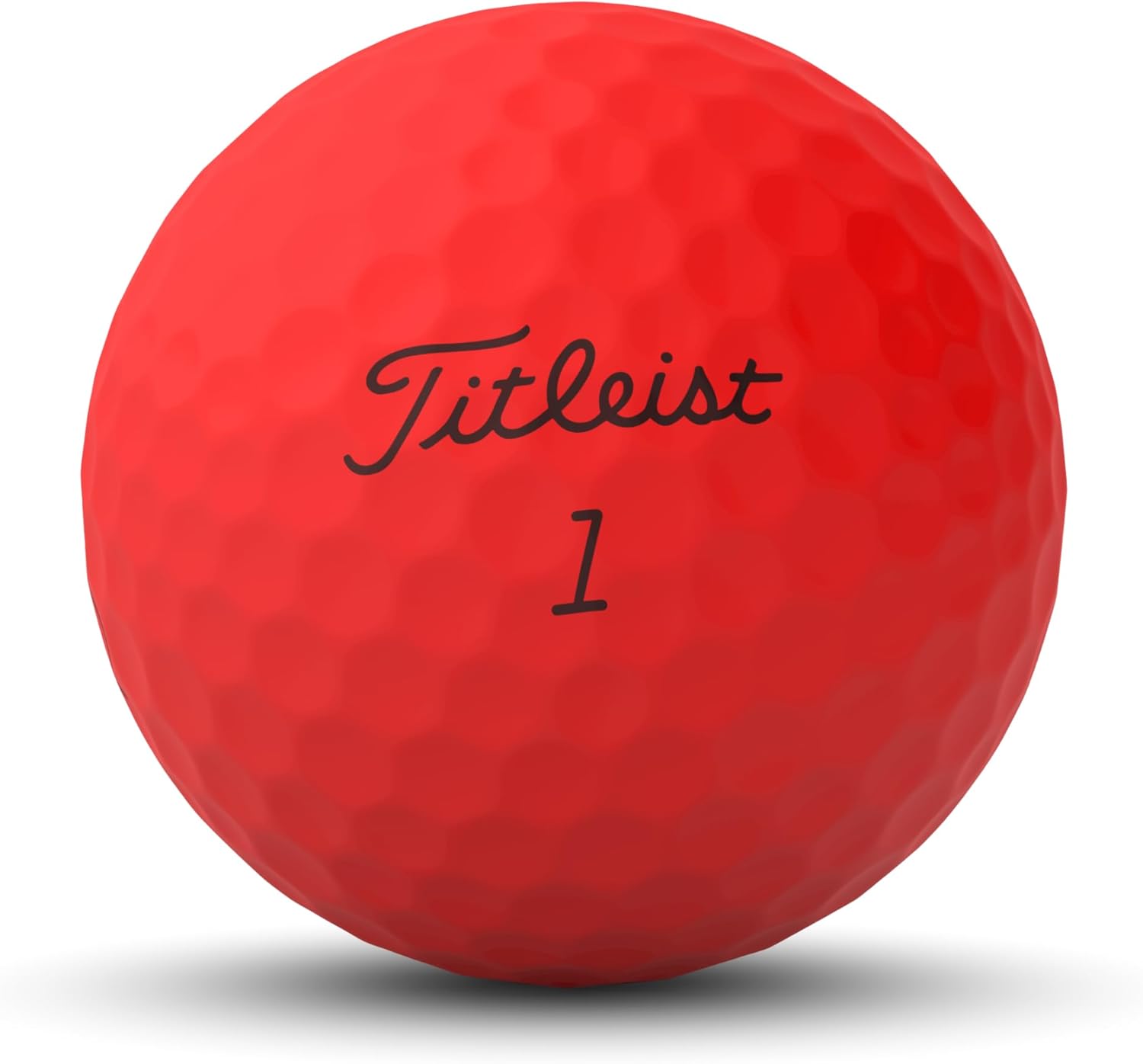
Experience the softest feel ever from Titleist with the TruFeel Golf Balls, designed for golfers who demand both exceptional distance and incredible touch around the greens. The new TruTouch core and 3.0 TruFlex cover deliver a perfect balance of speed, spin, and softness for all-around performance.

Why Choose Titleist TruFeel?
Engineered for players who prioritize feel without compromising distance, TruFeel provides a low-penetrating flight, improved greenside spin, and unmatched consistency trusted by golfers worldwide.

Key Features:

  • New TruTouch Core: Generates long distance while maintaining a soft, responsive feel.
  • 376 Tetrahedral Dimple Design: Promotes a low, penetrating ball flight for consistent trajectory.
  • Softer 3.0 TruFlex Cover: Enhances greenside spin and short-game control.
  • Ultra-Soft Feel: The softest Titleist ball yet, designed for outstanding feedback on every shot.
  • Trusted Titleist Quality: Backed by decades of innovation and performance excellence.

Ideal For:

  • Golfers seeking ultra-soft feel and control
  • Players looking for reliable distance with short-game spin
  • Fans of premium, trusted Titleist craftsmanship

Product Details:
Brand: Titleist
Model: TruFeel
Color: Matte Red
Material: Polyurethane
Weight: 600 g
Construction: 2-Piece
Dimple Pattern: 376 Tetrahedral
Compression: Low

Designed for golfers striving to break 90, the Legato LTX3085 Golf Balls deliver the perfect balance of distance, feel, and control. With advanced 3-piece construction and 85 compression, these premium balls provide explosive power off the tee, precision spin around the green, and a soft, responsive touch for every shot.

Why Choose Legato LTX3085?
Built for consistency and confidence, the LTX3085 maximizes long-distance performance while maintaining a soft feel and improved short-game control. The bold alignment design makes putting easier, helping golfers of all levels elevate their performance.

Key Features:

  • 3-Piece 85 Compression Construction: Delivers a powerful, yet controlled performance for all swing speeds.
  • Urethane Cover: Enhances wedge spin and provides a softer feel for precise short-game control.
  • Maximized Distance: Engineered core optimizes energy transfer for longer drives without sacrificing accuracy.
  • Bold Track Technology: Easy alignment lines promote better aim and improved putting consistency.
  • Tour-Level Design: Premium performance without the premium price — perfect for golfers aiming to break 90.

Ideal For:

  • Mid-handicap golfers improving distance and control
  • Players who want premium urethane feel and spin
  • Confident tee-to-green performance

Product Details:
Brand: Legato
Model: LTX3085
Compression: 85
Construction: 3-Piece
Cover Material: Urethane
Color: Yellow (1 Dozen)
Weight: 1.4 lbs
Technology: Bold Track Alignment

Enhance your performance off the tee with SAPLIZE Upgraded 4-Prong Golf Tees, engineered for strength, precision, and distance. Designed to deliver consistent ball placement and reduce spin interference, these tees offer the perfect balance of durability and flexibility for golfers of all skill levels.

Why Choose SAPLIZE Golf Tees?
Crafted with advanced polymer materials and precision-engineered for optimized shaft thickness, SAPLIZE tees are built to withstand powerful drives while maintaining stability and reducing friction. The innovative 4-prong head ensures your golf ball rests securely, promoting cleaner contact and longer, straighter shots.

Key Features:

  • Durable Design: Reinforced body resists bending and breaking — ideal for all course conditions.
  • Optimized Shaft Thickness: Perfect balance of strength and flexibility for consistent performance.
  • 4-Prong Stability: Holds the ball securely for smooth, accurate swings and reduced side spin.
  • Friction-Reducing Head: Minimizes contact to boost drive distance and accuracy.
  • Stripe Marking System: Ensures precise and repeatable tee heights for dependable setup every shot.
  • Value Pack: Includes 120 premium tees — 100 tees (3-1/4”) and 20 tees (1-1/2”) for both drivers and irons.

Ideal For:

  • Golfers seeking consistent tee height and cleaner ball contact
  • Enhancing drive distance and accuracy
  • Everyday practice and competitive rounds

Product Details:
Brand: SAPLIZE
Material: Premium Plastic Polymer
Color: Mixed (Varies by pack)
Quantity: 120 Tees (100 × 3-1/4″, 20 × 1-1/2″)
Head Type: 4-Prong Design
Special Features: Stripe Marking System, Reduced Friction Engineering

Add humor to your golf game with the Shanker Golf Socks, featuring the iconic “Angry Golfer” design that’s guaranteed to get laughs on and off the course. Comfortable, durable, and full of character, these socks are the perfect mix of performance and personality for every golf lover.

Why Choose Shanker Golf Socks?
Made for comfort and designed for laughs, these novelty golf socks are perfect for golfers who don’t take themselves too seriously. The high-quality cotton blend keeps your feet cool and comfortable through every swing, while the bold, funny design adds a touch of fun to your golf wardrobe.

Key Features:

  • Hilarious Angry Golfer Design: Navy blue socks featuring fun golf-themed patterns that make great conversation starters.
  • Soft & Durable Fabric: Made from a 70% cotton, 28% polyester, and 2% spandex blend for comfort, stretch, and long-lasting wear.
  • Perfect Fit: Designed for men’s US sizes 10–13, offering a snug yet breathable feel.
  • Easy Care: Hand wash only to maintain color and fabric quality.
  • Great Gift for Golfers: A funny and practical gift for golf tournaments, Christmas, birthdays, or any golf enthusiast.

Ideal For:

  • Golfers who love fun, novelty accessories
  • Golf gift sets, tournaments, or gag gifts
  • Anyone who wants to add personality to their golf outfit

Product Details:
Brand: Shanker
Material: 70% Cotton, 28% Polyester, 2% Spandex
Fit Type: Regular
Size: 10–13 (Men’s US)
Color: Navy Blue
Origin: Imported

Scroll to Top
Unlock Your Best Game Yet!

Subscribe To Our Weekly Newsletter

Get exclusive tips, course reviews, and gear insights delivered straight to your inbox. Sign up for our newsletter today!