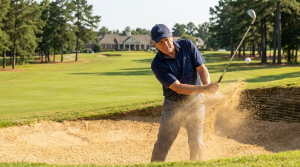

Cold weather golf balls play an important role in maintaining performance when temperatures drop. For senior golfers, colder air often causes standard golf balls to feel firm and unresponsive. As a result, distance loss and poor feedback become common problems. However, the right golf ball can reduce those issues significantly.
Instead of forcing extra swing speed, smarter equipment choices make a bigger difference. Because cold weather golf balls stay flexible in low temperatures, they preserve feel and launch. In turn, confidence improves and performance stays steady.
Why Cold Temperatures Affect Golf Ball Performance
Temperature changes how golf balls behave. When air gets colder, internal materials stiffen and resist compression. Because of this, energy transfer becomes less efficient.
Senior golfers feel this change more clearly. Swing speeds are usually moderate. Therefore, standard golf balls fail to compress properly. Distance drops quickly.
Cold weather golf balls counteract that stiffness. As a result, shots launch more consistently and feel improves.
Why Seniors Benefit Most From Cold Weather Golf Balls
Every golfer notices cold conditions. Seniors, however, often experience the effects sooner.
Reduced flexibility and slower warmups make timing harder. In addition, cooler muscles limit speed. Because of these factors, consistency suffers.
Cold weather golf balls help restore balance. By compressing easily, they allow smoother swings. Consequently, rhythm returns and confidence improves.
Compression Becomes Critical in Cold Conditions
Compression matters in all seasons. During cold weather, it becomes essential.
High-compression balls already feel firm in warm air. In colder temperatures, they feel harsh and unresponsive. Therefore, distance loss becomes unavoidable.
Cold weather golf balls usually feature low-to-mid compression. As a result, energy transfer stays efficient and distance remains playable.
How Cold Weather Golf Balls Help Maintain Distance
Cold air is denser than warm air. Because of that, carry distance naturally decreases.
Cold weather golf balls reduce this penalty. Softer cores generate higher launch. Meanwhile, optimized dimple patterns improve airflow.
As a result, shots travel farther than they would with standard balls.
Feel and Feedback During Cold Rounds
Feel disappears quickly in cold conditions. Without feedback, distance control becomes guesswork.
Cold weather golf balls preserve feel through flexible covers. Consequently, impact sensation remains consistent.
Because feedback returns, short-game confidence improves.
Spin Control in Lower Temperatures
Cold conditions can alter spin behavior. Balls may react unpredictably on mishits.
Cold weather golf balls are designed for controlled spin. Therefore, side spin stays manageable off the tee. On approach shots, spin remains predictable.
As a result, shot planning becomes easier.
Why Dimple Design Matters More in Cold Air
Dense air exaggerates aerodynamic flaws. Poor dimple patterns become obvious quickly.
Cold weather golf balls use optimized dimple geometry. In turn, lift is maintained and drag is reduced.
For seniors, this stability leads to straighter shots.
Cold Weather Golf Balls vs Standard Golf Balls
Standard golf balls are built for average conditions. Cold weather exposes their weaknesses.
Cold weather golf balls remain flexible. Therefore, compression stays consistent. Performance becomes predictable.
After switching, many golfers notice improvement within a few holes.
Who Should Use Cold Weather Golf Balls
Year-round players benefit the most from seasonal adjustments. Senior golfers, in particular, gain consistency.
Moderate swing speeds combined with cold temperatures magnify stiffness issues. Because of this, cold weather golf balls provide immediate value.
Even skilled players appreciate the reliability.
Confidence Gains That Should Not Be Ignored
Cold weather often damages confidence. Missed shots create doubt. Tension follows.
Cold weather golf balls help rebuild trust. When shots respond correctly, swings relax. Ultimately, performance improves.
Choosing the Right Cold Weather Golf Ball
Selecting a cold weather golf ball does not need to feel complicated. Focus on compression and feel.
Look for low or mid compression designs. In addition, avoid tour-level balls built for high swing speeds.
Testing during a cold round usually reveals the difference.
Course Conditions and Seasonal Adjustments
Cold weather brings firmer fairways and slower greens. Rough also thickens.
Cold weather golf balls adapt well to these changes. Because feel improves, control becomes easier.
Seasonal golf feels more manageable.
Durability in Cold Temperatures
Some golf ball covers become brittle in cold weather. Cracking becomes a concern.
Cold weather golf balls use resilient materials. As a result, durability remains strong.
Reliability matters during winter play.
Affordable Options for Cold Weather Play
Specialized does not always mean expensive. Many cold weather golf balls remain budget-friendly.
Lower cost often reflects simpler construction. Therefore, value stays high.
Switching From Warm-Weather Golf Balls
Seasonal switching may feel unfamiliar at first. However, adaptation happens quickly.
Cold weather golf balls feel softer immediately. Consequently, distance stabilizes.
Returning to standard balls often feels unnecessary.
Playing Smarter as Conditions Change
Golf rewards adaptation over force. Cold weather reinforces that truth.
Cold weather golf balls support smarter play. They preserve rhythm. They reduce frustration.
As a result, seasonal golf becomes enjoyable again.
Conclusion
Cold weather golf balls help seniors maintain consistency when temperatures fall. By preserving feel, compression, and stable flight, they reduce distance loss and improve accuracy. Confidence stays intact. Enjoyment remains high. With the right golf ball, cold rounds become opportunities instead of obstacles.
FAQ
1. What makes a golf ball suitable for cold weather?
Cold weather golf balls use softer cores and more flexible covers. Because of this design, they compress better in low temperatures and maintain consistent feel.
2. Do cold weather golf balls help seniors maintain distance?
Yes, they do. By improving compression and launch efficiency, these balls reduce distance loss that normally occurs in colder air.
3. Should seniors switch golf balls when temperatures drop?
Absolutely. Switching helps preserve feel, control, and confidence during cold rounds. As a result, performance stays more predictable.
4. Are cold weather golf balls only useful in winter?
Not necessarily. While they perform best in cooler conditions, some seniors prefer them year-round for their softer feel.
5. Can cold weather golf balls improve accuracy for senior golfers?
They can. Because side spin stays more controlled in cold conditions, shots tend to fly straighter and stay more consistent.