
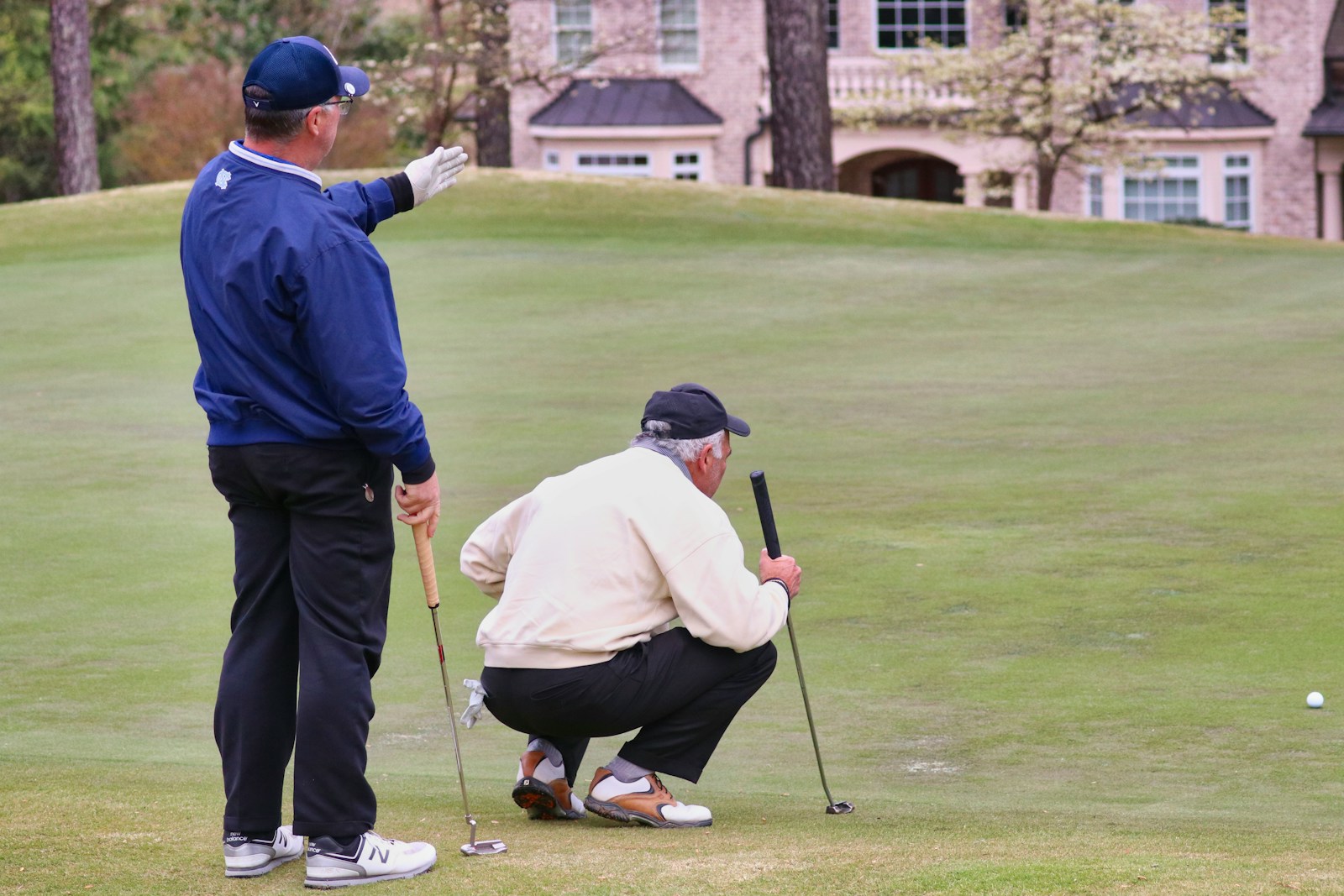
As we age, our bodies undergo changes that can make us more susceptible to certain types of injuries, even in a seemingly low-impact sport like golf. For senior golfers, understanding how to prevent and manage common ailments is crucial to maintaining an active and enjoyable game. Focusing on senior golf injury prevention allows you to stay on the course longer, play more comfortably, and avoid setbacks that can keep you sidelined. It’s about proactive care and smart modifications to your routine, ensuring longevity in the sport.
Understanding the Senior Golfer’s Body
Our bodies change significantly as we get older, impacting our golf game and increasing injury risk. Specifically, we often experience a natural decline in muscle mass, bone density, and joint flexibility. This means that movements once easy may now put more strain on our joints and tissues. Furthermore, recovery times can lengthen, making it even more important to avoid injuries in the first place.
Moreover, years of repetitive movements, whether from golf or daily life, can lead to cumulative wear and tear. Therefore, recognizing these physiological changes is the first step toward effective injury mitigation. By understanding these factors, senior golfers can adopt strategies that support their bodies and extend their playing careers. Consequently, a proactive approach becomes essential for sustained enjoyment.
Senior Golf Injury Prevention: Core Strategies for Longevity
Preventing injuries in senior golf involves a multifaceted approach. It’s not just about what you do on the course, but also how you prepare your body off it. This includes focused exercises, proper warm-ups, and thoughtful equipment choices. In fact, many common golf injuries among seniors can be significantly reduced with consistent effort.
The Power of Warm-Ups and Cool-Downs
A proper warm-up before each round or practice session is non-negotiable for senior golfers. It gradually increases blood flow to your muscles, improves joint mobility, and prepares your body for the dynamic movements of the golf swing. A good warm-up might include light cardio, dynamic stretches, and practice swings. Similarly, a cool-down session after playing helps to gently stretch muscles, reducing stiffness and aiding recovery. This simple routine is a cornerstone of effective injury prevention for senior golfers.
Targeted Strength and Flexibility Training
Building and maintaining strength, particularly in your core, glutes, and shoulders, is vital. These muscle groups provide the power and stability needed for a healthy golf swing. For example, exercises that improve core strength can significantly reduce the risk of back pain. Furthermore, enhancing flexibility through regular stretching helps maintain a full range of motion in your joints, which is crucial for a fluid swing and avoiding strains. We have more insights on flexibility exercises for senior golf that can transform your game.
Common Senior Golf Injuries and How to Prevent Them
Back pain, particularly in the lower back, is perhaps the most common complaint among golfers of all ages. For seniors, reduced core strength and flexibility can exacerbate this. Prevention strategies include consistent core strengthening exercises, dynamic warm-ups before each round, and ensuring your swing mechanics are sound and not putting undue stress on your spine. Shoulder injuries, such as rotator cuff strains, can arise from repetitive overhead motion and lack of shoulder girdle stability. Gentle stretches for shoulder mobility and strength, along with a proper golf swing that minimizes excessive strain, are key. Consequently, addressing these areas proactively is vital.
Elbow and Wrist Issues
Golfer’s elbow (medial epicondylitis) and tennis elbow (lateral epicondylitis) are common inflammatory conditions in the tendons of the elbow. These often stem from improper grip, too much tension in the hands, or repetitive impact. Wrist pain can also occur for similar reasons. To prevent these, focus on a relaxed grip that’s not too tight, consider thicker grips to reduce hand squeezing, and ensure your clubs are properly fitted for your swing speed and strength. Regular stretching of the forearm muscles and wrist rotations can also help maintain flexibility and reduce strain. If an injury does occur, the RICE method (Rest, Ice, Compression, Elevation) is a good initial response. Consulting with a physical therapist or sports medicine professional experienced in senior golf injury prevention can provide tailored advice for recovery and long-term prevention. Remember, listening to your body and not playing through significant pain is always the best approach.
Knee and Hip Pain
The rotational forces of the golf swing place considerable stress on the knees and hips. For senior golfers, pre-existing conditions like arthritis can make these joints particularly vulnerable. Strengthening the muscles around the hips and knees, such as the quadriceps, hamstrings, and glutes, provides better support. Moreover, maintaining good hip mobility through stretches is essential. For instance, ensure your golf shoes provide adequate support and cushioning. Proper swing mechanics that distribute weight evenly can also alleviate undue pressure on these critical joints. This holistic approach supports comprehensive senior golf injury prevention.
Hand and Finger Ailments
Arthritis in the hands and fingers can be a significant challenge for senior golfers, affecting grip and club control. While not always preventable, managing symptoms is key. Using larger grips on your clubs can reduce the need for a tight squeeze, easing pressure on joints. Additionally, specialized golf gloves designed for arthritis can offer extra padding and support. Gentle hand exercises and stretches can help maintain dexterity and reduce stiffness. Consulting a hand specialist might also be beneficial for personalized recommendations to support your game. These small adjustments are important steps in injury prevention.
Optimizing Your Equipment for Injury Prevention
Your golf equipment plays a crucial role in preventing injuries. Simply put, using clubs that are too heavy, too stiff, or improperly fitted can force your body into unnatural positions, leading to strain and injury. Therefore, a professional club fitting is highly recommended for senior golfers. A fitter can assess your swing speed, strength, and physical limitations to recommend clubs with the appropriate shaft flex, weight, and grip size. This investment can significantly contribute to effective injury mitigation.
Shaft Flex and Weight
For many senior golfers, a lighter club with a more flexible shaft (e.g., senior flex) can make a huge difference. This allows for easier clubhead speed generation without overexerting your body. It reduces the stress on your joints and muscles, particularly in the back, shoulders, and elbows. Furthermore, lighter clubs are generally easier to swing, which can lead to a more fluid and less strenuous motion. Consequently, this leads to better injury prevention for senior golfers.
Grip Size and Material
The right grip size is also critical. Grips that are too small can encourage a tighter grip, leading to tension in the forearms and wrists, increasing the risk of golfer’s elbow or wrist pain. Conversely, grips that are too large might feel unwieldy. A neutral grip size that allows you to hold the club comfortably without excessive squeezing is ideal. Consider softer, thicker grips which can also absorb more shock, further protecting your hands and wrists. This is an important aspect of a comprehensive injury prevention strategy.
The Role of Proper Swing Mechanics in Injury Prevention
An efficient and senior-friendly golf swing is paramount for avoiding injuries. While power is often emphasized, for senior golfers, a smooth, controlled, and repeatable swing is far more beneficial for long-term health. Working with a golf instructor who specializes in senior golfers can help you develop a swing that minimizes stress on your joints and maximizes efficiency. They can identify and correct any swing flaws that might be contributing to pain or injury. This focused attention on technique is a cornerstone of senior golf injury prevention.
Focus on Rotation, Not Over-Swinging
Many injuries stem from trying to generate power by over-swinging or relying too much on arm strength. Instead, senior golfers should focus on using their body’s natural rotation, particularly from the hips and core, to power the swing. This distributes the workload more evenly across larger muscle groups, reducing strain on smaller, more vulnerable joints like the shoulders and elbows. Building essential core strength for senior golfers is a key component here.
Maintain Balance and Stability
Good balance throughout the swing is crucial. Loss of balance can lead to awkward movements and increased injury risk. Exercises that improve balance and proprioception (your body’s awareness in space) can be highly beneficial. Furthermore, a stable base allows for a more controlled rotation, which is safer and more effective. This contributes significantly to overall senior golf injury prevention efforts.
Recovery and Management: What to Do When Injuries Occur
Despite best efforts in senior golf injury prevention, sometimes injuries still happen. Knowing how to respond appropriately is just as important as prevention. Early intervention can prevent minor issues from becoming chronic problems. Therefore, don’t ignore pain; it’s your body’s way of signaling that something is wrong. Prompt attention can significantly shorten recovery times.
RICE Method and When to Seek Professional Help
For acute injuries like sprains or strains, the RICE method (Rest, Ice, Compression, Elevation) is an excellent first step. Rest the injured area, apply ice to reduce swelling, use compression, and elevate if possible. However, if pain persists, worsens, or is accompanied by significant swelling, numbness, or inability to move the affected joint, it’s crucial to seek professional medical advice. A doctor, physical therapist, or sports medicine specialist can accurately diagnose the issue and recommend a tailored treatment plan. They are vital resources in managing and recovering from golf-related injuries.
Physical Therapy and Rehabilitation
Physical therapy is often a cornerstone of recovery from golf injuries. A physical therapist can design a rehabilitation program that addresses your specific injury, focusing on restoring strength, flexibility, and function. They can also provide guidance on modifying your golf swing or activities to prevent re-injury. Furthermore, they can help you develop a long-term plan for maintaining physical health and continuing to enjoy the game. This expert guidance is invaluable for getting back on the course safely.
Lifestyle Factors Supporting Injury Prevention for Senior Golfers
Beyond specific exercises and equipment, broader lifestyle choices significantly impact your ability to prevent golf injuries. These factors contribute to overall health and resilience, making your body more robust and less susceptible to strain. Consequently, a holistic approach yields the best results for injury mitigation.
Nutrition and Hydration
A balanced diet rich in anti-inflammatory foods, lean proteins, and essential vitamins and minerals supports muscle repair, bone health, and overall bodily function. Staying well-hydrated is equally important, as water helps lubricate joints and maintain tissue elasticity. For example, ensuring adequate Vitamin D and calcium intake contributes to strong bones, reducing fracture risk. These nutritional habits are fundamental to supporting your body’s ability to resist and recover from stress.
Adequate Rest and Sleep
The body repairs and rebuilds itself during sleep. Chronic sleep deprivation can impair recovery, increase inflammation, and reduce cognitive function, all of which can heighten injury risk. Aim for 7-9 hours of quality sleep per night. Allowing your body sufficient rest between rounds or intense practice sessions is also crucial. This allows muscles to recover and adapt, making them stronger and more resilient. Thus, prioritizing rest is a key component of effective injury prevention for senior golfers.
Stress Management
High stress levels can manifest physically, leading to muscle tension and reduced pain tolerance. Incorporating stress-reducing activities like meditation, yoga, or spending time in nature can positively impact your physical well-being. A relaxed body is less prone to injury than a tense one. Furthermore, a calm mind often leads to better focus and decision-making on the course, further reducing the chances of awkward movements or accidents. Managing stress is therefore an often-overlooked aspect of senior golf injury prevention.
Conclusion
For senior golfers, staying active and enjoying the game for years to come is a rewarding goal. However, it requires a conscious and proactive approach to injury prevention. By understanding the unique challenges of the aging body, implementing consistent warm-ups and cool-downs, engaging in targeted strength and flexibility training, and ensuring your equipment is properly fitted, you can significantly reduce your risk of common golf injuries. Moreover, paying attention to proper swing mechanics and knowing how to respond when an injury does occur are critical. Remember, your body is your most important piece of golf equipment. Taking care of it through smart choices and consistent effort will ensure you can continue to enjoy the fairways and greens for many seasons ahead. Prioritizing senior golf injury prevention means prioritizing your passion for the game. For additional insights on maintaining your game, explore resources from reputable organizations like the PGA Tour or the USGA.
FAQ
What are the most common golf injuries for seniors?
Senior golfers frequently experience back pain, shoulder strains, golfer’s elbow, wrist pain, and knee or hip discomfort. These often arise from a combination of age-related physiological changes and repetitive swing mechanics.
How can I prevent back pain when playing golf as a senior?
To prevent back pain, focus on strengthening your core muscles, performing dynamic warm-ups, and ensuring your swing mechanics are efficient. Consider working with a pro to optimize your swing for less spinal stress.
Is stretching important for avoiding golf injuries in older adults?
Absolutely. Regular stretching improves flexibility and range of motion, which are vital for a fluid swing and reducing strain on joints and muscles. Incorporate both dynamic warm-up stretches and post-round cool-down stretches.
Should I get my golf clubs custom-fitted as a senior?
Yes, a custom club fitting is highly recommended. Clubs that are too heavy, too stiff, or have incorrect grip sizes can contribute to injuries. A proper fit ensures your equipment matches your body and swing for optimal performance and less strain.
What should I do if I experience pain during a golf round?
If you feel pain, stop playing immediately. Do not try to play through significant discomfort. Apply the RICE method (Rest, Ice, Compression, Elevation) if appropriate, and consult a medical professional if the pain persists or worsens.
Are there specific exercises to help avoid golf-related injuries for older players?
Yes, exercises focusing on core strength, hip mobility, shoulder stability, and overall flexibility are highly beneficial. Examples include planks, glute bridges, rotator cuff exercises with light weights, and various yoga or Pilates movements. These support overall physical resilience.