
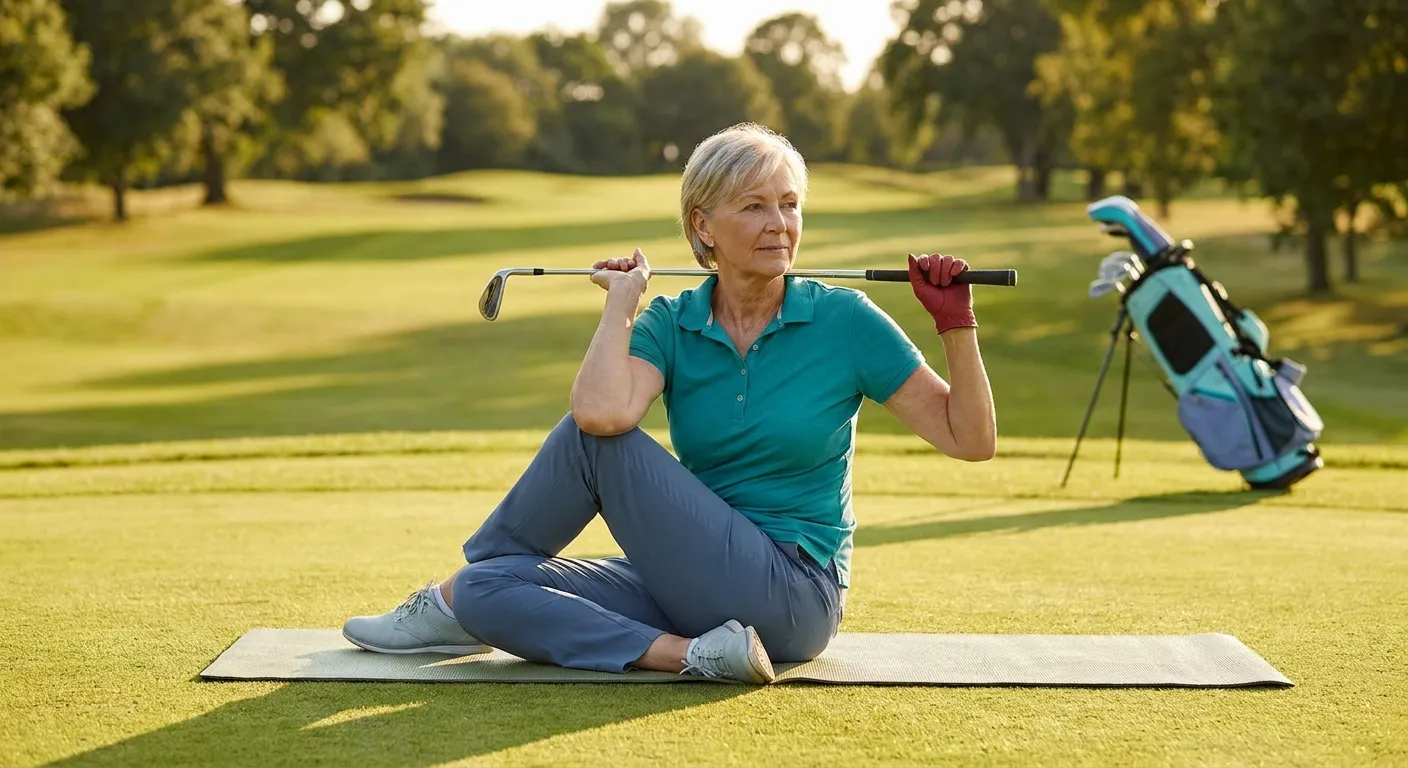
The notion that reduced flexibility is an inevitable part of aging and a permanent barrier to a great golf swing is a common misconception. In fact, targeted flexibility exercises for senior golf can significantly improve your range of motion, enhance swing mechanics, and prevent injuries, keeping you active and competitive on the course. With the senior golf market booming—projected to reach over $3.2 billion by 2032—more senior golfers are realizing that proactive fitness is key to sustained enjoyment and performance. Let’s debunk the myth and explore how dedicated flexibility work can revitalize your game.
The Flexibility Myth: Age vs. Activity
While some natural stiffening occurs with age, a significant portion of reduced flexibility is due to inactivity and lack of targeted movement, not age itself. The golf media and e-commerce industries are seeing significant evolution, with a growing focus on functional training and wellness for senior golfers. This trend emphasizes that core stability and rotational mobility are vital, and flexibility is the cornerstone of both. Improving your flexibility doesn’t mean you need to become a contortionist; it means restoring functional range of motion that directly impacts your ability to execute a full, fluid golf swing.
Why Flexibility is a Key Factor for Senior Golfers
- Increased Swing Arc: Greater flexibility allows for a fuller backswing, which naturally translates to more power and clubhead speed without needing to force it. This can help compensate for any natural decrease in swing speed.
- Improved Rotational Mobility: A flexible spine and hips are crucial for the controlled rotation needed in the golf swing. Enhanced rotational mobility means less strain on your joints and a more efficient transfer of energy.
- Injury Prevention: Many golf-related injuries, especially in the lower back, hips, and shoulders, stem from limited flexibility. Regular stretching helps lengthen muscles and improve joint health, reducing your risk of strains and pain.
- Better Balance and Control: A more flexible body is often a more balanced body. When your muscles and joints move freely, you have better control over your body during the dynamic movements of the swing.
Essential Flexibility Exercises for Senior Golfers
Incorporating a consistent, gentle stretching routine into your daily life can yield remarkable benefits. Aim for 10-15 minutes a few times a week, focusing on key areas for golf. For more comprehensive guidance, consider exploring Senior Golfer Fitness Programs.
1. Torso Rotations (Seated or Standing)
- How to: Sit tall on a chair or stand with feet shoulder-width apart. Gently twist your upper body to the right, holding for 15-20 seconds. Return to center, then twist to the left. Keep your lower body relatively still. Repeat 3-5 times per side.
- Benefits: Directly improves thoracic spine mobility, crucial for the golf swing’s turn.
2. Hamstring Stretch (Seated or Standing)
- How to: While seated, extend one leg straight out with your heel on the floor, toes pointing up. Lean forward from your hips, keeping your back straight, until you feel a gentle stretch in the back of your thigh. Hold for 20-30 seconds. Repeat 2-3 times per leg. Alternatively, stand and place one heel on a slightly elevated surface, then lean forward.
- Benefits: Lengthens hamstrings, which can improve posture and reduce lower back strain during the swing.
3. Hip Flexor Stretch
- How to: Kneel on one knee (use a cushion if needed) with the other foot flat on the floor in front of you, creating a 90-degree angle at both knees. Gently push your hips forward until you feel a stretch in the front of the hip of the kneeling leg. Keep your torso upright. Hold for 20-30 seconds. Repeat 2-3 times per side.
- Benefits: Essential for hip mobility, allowing for a fuller hip turn in the backswing and through-swing.
4. Shoulder Blade Squeezes
- How to: Sit or stand tall. Gently pull your shoulder blades together as if trying to pinch a pencil between them. Hold for 5-10 seconds, then release. Repeat 8-12 times.
- Benefits: Strengthens and increases flexibility in the upper back, supporting a stable and powerful shoulder turn.
5. Chest Stretch (Doorway Stretch)
- How to: Stand in a doorway, placing your forearms on each side of the frame, elbows bent at 90 degrees. Gently step forward with one foot, leaning into the doorway until you feel a stretch across your chest. Hold for 20-30 seconds. Repeat 2-3 times.
- Benefits: Opens up the chest and shoulders, allowing for a broader backswing and improved club path.
6. Glute Bridges
- How to: Lie on your back with knees bent, feet flat on the floor hip-width apart. Engage your core and glutes, then lift your hips off the floor until your body forms a straight line from shoulders to knees. Hold for a few seconds, then slowly lower. Repeat 10-15 times.
- Benefits: Strengthens glutes and core, improving stability and power transfer during the swing. This also indirectly supports spinal flexibility.
Integrating Flexibility into Your Golf Routine
Consistency is paramount when performing flexibility exercises for senior golf. You don’t need to dedicate hours; even short, regular sessions make a significant difference. Consider performing these stretches as part of your warm-up before a round, or as a cool-down afterward. Many senior golfers find that a morning routine helps them feel more limber throughout the day. Furthermore, incorporating these movements into your daily life means you are actively working towards better golf performance and overall wellness.
Remember, proper form is more important than how far you can stretch. Listen to your body and never push into pain. A gentle, consistent approach will yield the best long-term results. Consult with a healthcare professional or physical therapist if you have any pre-existing conditions or concerns about starting a new exercise regimen.
Understanding the Science of Senior Flexibility
The human body changes with age; however, the extent of flexibility loss is often exaggerated. Connective tissues like tendons and ligaments can become less elastic, and cartilage can thin. Yet, regular movement and targeted stretching can mitigate these effects. Studies show that active seniors maintain significantly better range of motion compared to sedentary peers. For instance, research published in the Journal of Physical Therapy Science highlights the benefits of stretching for older adults. Therefore, the right flexibility exercises for senior golf aren’t just about feeling better; they’re backed by physiological principles.
Moreover, the neurological benefits are noteworthy. Improved proprioception (your body’s sense of position in space) and kinesthetic awareness contribute to better balance and coordination, which are crucial for a consistent golf swing. These aspects are directly enhanced by consistent flexibility training, making these exercises a foundational element for any senior golfer looking to improve.
Beyond Stretches: Holistic Approaches to Senior Golf Fitness
While specific stretches are vital, a holistic approach to senior golf fitness also includes other elements. Strength training, particularly for core and glute muscles, works synergistically with flexibility to create a powerful and stable swing. Additionally, balance exercises can further enhance your control and stability on the course, especially on uneven lies. Hydration and nutrition also play roles in muscle health and recovery, influencing your overall flexibility. For more specialized golf training equipment, explore our extensive selection.
Furthermore, consider incorporating dynamic stretches into your warm-up, which involve movement rather than static holds. Arm circles, leg swings, and torso twists (gradually increasing range) can prepare your body for the demands of the golf swing more effectively than static stretches alone. Static stretches are generally best reserved for after your round or as a separate session. The combination of these approaches significantly enhances the effectiveness of your flexibility program.
The Long-Term Benefits of Prioritizing Flexibility
Committing to a routine of flexibility exercises for senior golf offers long-term advantages that extend beyond the golf course. Enhanced mobility means greater ease in daily activities, reducing the risk of falls and improving overall quality of life. Many senior golfers report less stiffness upon waking and a greater sense of well-being when they consistently work on their flexibility. This ongoing commitment ensures that golf remains an enjoyable and accessible sport for years to come.
Think of flexibility as an investment in your golf game and your health. Just as you maintain your golf clubs, you should maintain your body’s ability to perform. The dividends are paid in longer drives, fewer aches, and more rounds played with confidence and joy. Embracing these practices truly allows you to enjoy the game for a lifetime, making every swing feel more effortless and powerful.
Conclusion: Embrace the Power of Movement
The journey to a better golf swing for senior players doesn’t have to be about chasing lost youth, but rather about optimizing what you have. Targeted flexibility exercises for senior golf are a powerful, accessible tool to unlock a more fluid, powerful, and injury-resistant game. By consistently incorporating these movements into your routine, you can significantly improve your range of motion, enhance your swing mechanics, and extend your enjoyment of golf well into your golden years. Remember, age is just a number; your flexibility is a choice. Start today and experience the transformation on the fairway.
FAQ
What are the best types of stretches for older golfers?
The best stretches for older golfers focus on improving rotational mobility, hip flexibility, and shoulder range of motion. Examples include torso rotations, hip flexor stretches, hamstring stretches, and chest openers. These movements directly benefit the golf swing by increasing the backswing arc and improving body rotation.
How often should senior golfers do flexibility training?
Senior golfers should aim for flexibility training at least 3-5 times a week, with sessions lasting 10-20 minutes. Consistency is more important than intensity. Even short, daily routines can yield significant benefits over time, helping to maintain and improve range of motion.
Can improving my range of motion really help my golf swing?
Absolutely. Improving your range of motion directly impacts your golf swing by allowing for a fuller backswing, better hip and shoulder turn, and more efficient energy transfer. This leads to increased clubhead speed, greater power, and improved consistency, all while reducing the risk of injury.
Are there any specific warm-up routines for senior golfers before playing?
Yes, a good warm-up for senior golfers should include dynamic stretches like arm circles, leg swings, and gentle torso twists to prepare the body for the golf swing. Static stretches, where you hold a stretch, are generally better for after your round or as a separate flexibility session. A proper warm-up can prevent injuries and enhance performance.
Where can I find more resources on senior golf fitness?
You can find more resources on senior golf fitness right here on Senior Golf Life, particularly in our Senior Golfer Fitness Programs section. Additionally, reputable golf fitness professionals and physical therapists specializing in sports can provide personalized guidance and advanced exercise routines tailored to your needs.