
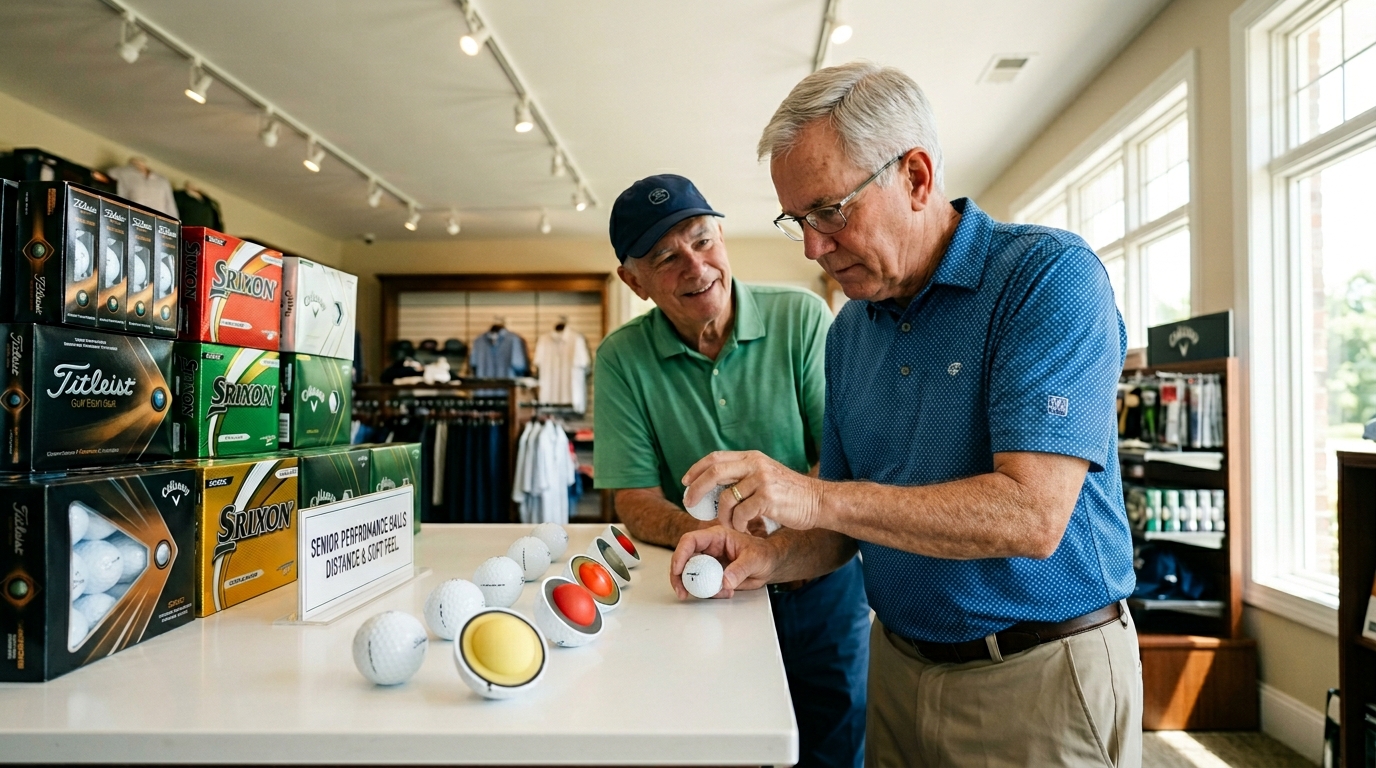
Choosing the right golf ball can make a noticeable difference in your performance, especially as your game evolves over time. For older players, finding golf balls distance feel seniors can rely on is not just about preference but about optimizing both comfort and results. The right ball can help you maintain distance while still offering the soft feel needed for control around the greens.
Many seniors assume they must sacrifice one benefit for the other, yet modern golf ball technology has made it possible to achieve both. By understanding what to look for and how different features affect performance, golfers can make smarter choices. As a result, selecting golf balls distance feel seniors prefer becomes a key step toward improving consistency and enjoyment on the course.
Why Distance and Feel Both Matter
Distance and feel are often seen as opposites, but they are equally important for a well-rounded game. Distance helps you reach greens more easily, while feel allows for better control during short shots. For seniors, balancing these two factors is essential.
As swing speed naturally decreases with age, maximizing distance becomes more important. However, relying solely on distance-focused balls can lead to a harder feel, which may reduce control. That is why golf balls distance feel seniors choose must provide a combination of soft touch and efficient energy transfer.
Additionally, feel impacts confidence. When a ball responds predictably, it becomes easier to judge putts and chips. This confidence often leads to better overall performance, making the balance between distance and feel even more valuable.
Understanding Golf Ball Construction
To find the right option, it helps to understand how golf balls are designed. Most balls feature layers that influence both distance and feel. Typically, a softer cover provides better feel, while a firmer core enhances distance.
Two-piece balls are common for players seeking maximum distance. They are durable and often produce longer shots. However, they may lack the soft feel needed for short game precision. On the other hand, multi-layer balls offer more control and spin, which improves feel but may slightly reduce distance.
For this reason, many golf balls distance feel seniors prefer fall somewhere in between. These balls combine a responsive core with a softer outer layer, creating a balanced performance that suits a wide range of playing styles.
Choosing the Right Compression for Seniors
Compression plays a significant role in how a golf ball performs. Lower compression balls are easier to compress, which helps players with slower swing speeds achieve better distance. At the same time, they tend to provide a softer feel.
For seniors, lower compression options often deliver the best results. They allow the ball to react more efficiently to the swing, resulting in improved distance without requiring extra effort. This makes golf balls distance feel seniors choose more forgiving and easier to control.
However, compression is not the only factor to consider. Personal preference still matters, and some golfers may prefer a slightly firmer feel. Testing different options helps determine what works best for your game.
How Cover Material Affects Performance
The cover of a golf ball directly influences feel and control. Softer covers, such as urethane, provide better spin and feel, especially around the greens. This makes them ideal for players who value precision in their short game.
In contrast, ionomer covers are more durable and often promote distance. They are typically found in balls designed for maximum distance. While they may feel firmer, they still offer reliable performance for many players.
When selecting golf balls distance feel seniors should consider how much importance they place on short game control. A softer cover may enhance feel, while a firmer cover may support longer drives. Finding the right balance is key.
Matching Golf Balls to Your Playing Style
Every golfer has a unique playing style, and the right ball should complement it. Seniors who prioritize distance off the tee may lean toward balls with a firmer core. Meanwhile, those who focus on precision around the greens may prefer softer options.
Golf balls distance feel seniors often work best when they align with individual strengths and preferences. For example, a player who struggles with short shots may benefit from a ball with enhanced feel and spin. On the other hand, a golfer looking to regain lost distance may prefer a ball designed for longer carry.
Additionally, course conditions can influence your choice. Softer greens may favor balls with more spin, while firmer conditions may reward distance-focused designs. Adjusting your selection based on these factors can improve overall performance.
The Role of Spin in Distance and Control
Spin is another important factor when choosing a golf ball. Lower spin rates generally promote longer, straighter shots, which is beneficial for distance. Higher spin rates, however, improve control and stopping power on the greens.
For seniors, finding the right level of spin is essential. Too much spin can reduce distance, while too little can make short shots harder to control. That is why golf balls distance feel seniors choose often feature balanced spin characteristics.
By selecting a ball with moderate spin, golfers can enjoy both distance and control. This balance helps maintain consistency across all aspects of the game, from drives to putts.
Testing and Finding Your Ideal Ball
Choosing the right golf ball is not just about reading specifications. Testing different options on the course provides valuable insights into how each ball performs. Seniors should take the time to experiment with various models to find the best fit.
Start by comparing distance off the tee and feel around the greens. Pay attention to how the ball reacts during chips and putts. These observations help identify which golf balls distance feel seniors suit your game.
Additionally, consistency is key. Once you find a ball that performs well, sticking with it helps build familiarity and confidence. Over time, this consistency leads to improved results.
Common Mistakes to Avoid When Choosing Golf Balls
Many golfers make the mistake of choosing balls based solely on price or brand. While these factors matter, they should not be the primary focus. Instead, performance should guide your decision.
Another common mistake is ignoring personal preferences. Golf balls distance feel seniors should match individual playing styles rather than general recommendations. What works for one golfer may not work for another.
Additionally, switching balls too frequently can disrupt consistency. While testing is important, constantly changing options makes it harder to develop a reliable feel. Finding a balance between experimentation and consistency is essential.
Long-Term Benefits of the Right Golf Ball
Selecting the right golf ball offers benefits that extend beyond immediate performance. Over time, using golf balls distance feel seniors prefer can improve confidence and consistency. This leads to better overall results and a more enjoyable experience.
A well-matched ball also reduces frustration. When shots behave as expected, it becomes easier to stay focused and relaxed. This positive mindset contributes to improved performance.
Furthermore, the right ball supports long-term development. As skills evolve, having a reliable ball ensures that improvements are reflected in your results. This makes the process of refining your game more rewarding.
Conclusion
Finding the perfect balance between distance and feel does not have to be complicated. With the right knowledge and a willingness to test different options, seniors can identify golf balls that enhance both aspects of their game. By focusing on key factors such as compression, cover material, and spin, it becomes easier to make informed decisions.
Golf balls distance feel seniors rely on are designed to support both performance and comfort. They allow golfers to maintain distance while still enjoying the control needed for precise shots. Over time, this balance leads to greater confidence and consistency.
Ultimately, the right golf ball helps you play your best game. By choosing wisely and staying consistent, seniors can continue to enjoy golf while improving their performance on the course.
FAQ
- What type of golf ball is best for slower swing speeds?
Lower compression balls are ideal as they help generate better distance with less effort. - Do softer balls reduce distance?
Not necessarily, as modern designs can provide both soft feel and strong distance performance. - How important is spin for senior golfers?
Spin affects both control and distance, so finding a balanced option is essential. - Should I use the same ball for every round?
Yes, consistency helps build confidence and improves overall performance. - Can changing golf balls improve my game?
Yes, choosing the right ball can enhance both distance and control, leading to better results.