
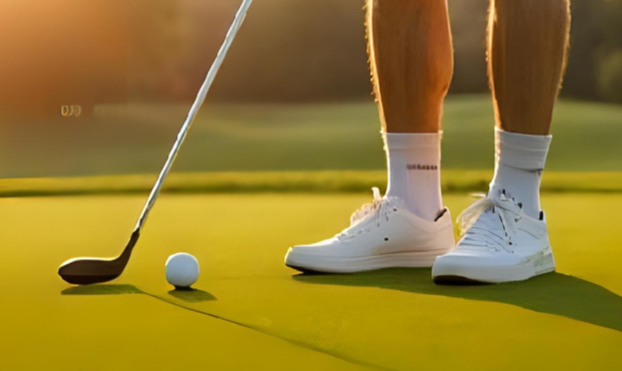
Why Soft Feel Golf Balls Matter for Seniors
Let’s face it—power isn’t what it used to be. That booming 280-yard drive from your 30s? It might be more like 190 now. But that’s perfectly okay. The key to scoring well and having fun lies in playing smarter—and that includes choosing the right golf ball.
Soft feel golf balls are a senior golfer’s best friend. They compress more easily on slower swings, giving you better distance, more control around the greens, and a feel that just clicks (in a good way). Think of them as the shock absorbers your game has been waiting for.
What Makes a Golf Ball “Soft Feel”?
Low Compression Core
A soft ball typically has a compression rating below 70. That means you don’t need to swing like Bryson DeChambeau to get solid distance.
Responsive Cover
Many soft feel balls use ionomer or urethane covers for a better spin profile and control on chip shots.
Greenside Feedback
You’ll feel the difference on putts and short shots—softer balls offer a “buttery” sensation that helps dial in distance and accuracy.
Top Soft Feel Golf Balls for Senior Golfers
1. Srixon Soft Feel
Senior Favorite for a Reason
- Low compression (60)
- Two-piece design for longer carry
- Soft cover for feel around the greens
If you want a great all-around ball that won’t hurt your wallet or your game, Srixon Soft Feel is hard to beat.
2. Callaway Supersoft
Ultra-Soft, Ultra-Friendly
- Compression rating of 38
- HEX aerodynamics for better lift
- Great for slow-to-moderate swing speeds
This one is as soft as marshmallows but flies like a rocket. Perfect for seniors who want forgiveness and control.
3. Titleist Tour Soft
Premium Feel Without the Premium Price
- Responsive feel off the face
- Larger core for extra distance
- High visibility options
It’s Titleist, but tuned for real-world players—not just tour pros.
4. Bridgestone e6 Soft
Smooth Sailing on Every Swing
- Low spin for straighter flight
- Soft compression core
- Easy to control for short game
This one’s great if you tend to slice or hook. It wants to go straight—and far.
5. TaylorMade Soft Response
Built for Distance and Feel
- 50 compression core
- Extended flight dimple pattern
- Urethane-like feel without urethane pricing
It’s designed for slower swingers who still want tour-level touch on the greens.
Why Seniors Should Choose Soft Golf Balls
More Distance with Less Effort
Low compression helps you compress the ball properly—even with a slower swing.
Better Feel Around the Greens
Seniors need touch and finesse more than ever. Soft feel balls help control chips, pitches, and putts.
Reduced Fatigue
Softer balls are easier to compress, which means less strain on your body.
Compression Ratings Explained Simply
- 30–50: Very soft, best for slower swings (under 80 mph)
- 60–70: Moderate softness, suitable for a wide range of senior players
- 80+: Firm feel, not ideal for most senior swing speeds
Unless you’re still swinging like a 20-something, aim for 50 or lower.
When to Avoid Super Soft Golf Balls
Soft balls are great, but not always ideal if:
- You already hit the ball very high and want less spin
- You play in super windy conditions (softer balls can float more)
- You prefer a firmer feel off the putter face
In these cases, a slightly firmer ball like the Titleist Tour Soft might be better.
Best Budget Soft Golf Ball for Seniors
Pinnacle Soft
- Extremely affordable
- Super low compression
- Surprisingly good greenside feel
Perfect for high-handicap or casual players who lose a lot of balls—but still want a soft, playable feel.
Best Premium Soft Golf Ball for Low-Handicap Seniors
Titleist AVX
- Lower spin with soft urethane cover
- Excellent short game control
- Slightly firmer than Supersoft, but more responsive
If you’ve got the skills and want a top-tier ball that won’t punish your slower swing, this is it.
How to Know a Soft Ball Is Right for You
Ask yourself:
- Is your swing speed under 90 mph?
- Do you value feel on short shots?
- Are you losing distance with firmer balls?
- Do you prefer a muted sound and feedback on the green?
If you nodded “yes” to most of those, a soft feel ball could completely change your game.
Conclusion
You don’t need to outmuscle the ball—you just need to outsmart it. The best soft feel golf balls for senior golfers are built to match your current swing, not the one you had 30 years ago. Whether you’re chasing birdies or just trying to keep up with the group, switching to the right ball can help you play better, score lower, and enjoy the game a whole lot more.
So, try a sleeve or two of these top picks and see how they feel. Your swing may have aged—but your short game can still shine.
FAQs
- What compression rating is best for senior golfers?
Aim for a compression under 60. The lower the number, the softer the ball, and the easier it is to compress at slower swing speeds. - Are soft golf balls good for high handicappers?
Absolutely! They’re forgiving, easy to launch, and provide great feel around the greens—ideal for beginners and high-handicap players alike. - Do soft golf balls lose distance compared to harder balls?
Not necessarily. For slower swing speeds, soft balls can increase distance by helping you compress the ball better. - Can I use soft golf balls in cold weather?
Yes! In fact, they perform better than hard balls when it’s chilly since they stay more responsive at lower temperatures. - What’s the difference between soft feel and tour balls?
Tour balls usually have firmer compression and more spin for better players. Soft feel balls prioritize distance, control, and forgiveness for average or senior golfers.