
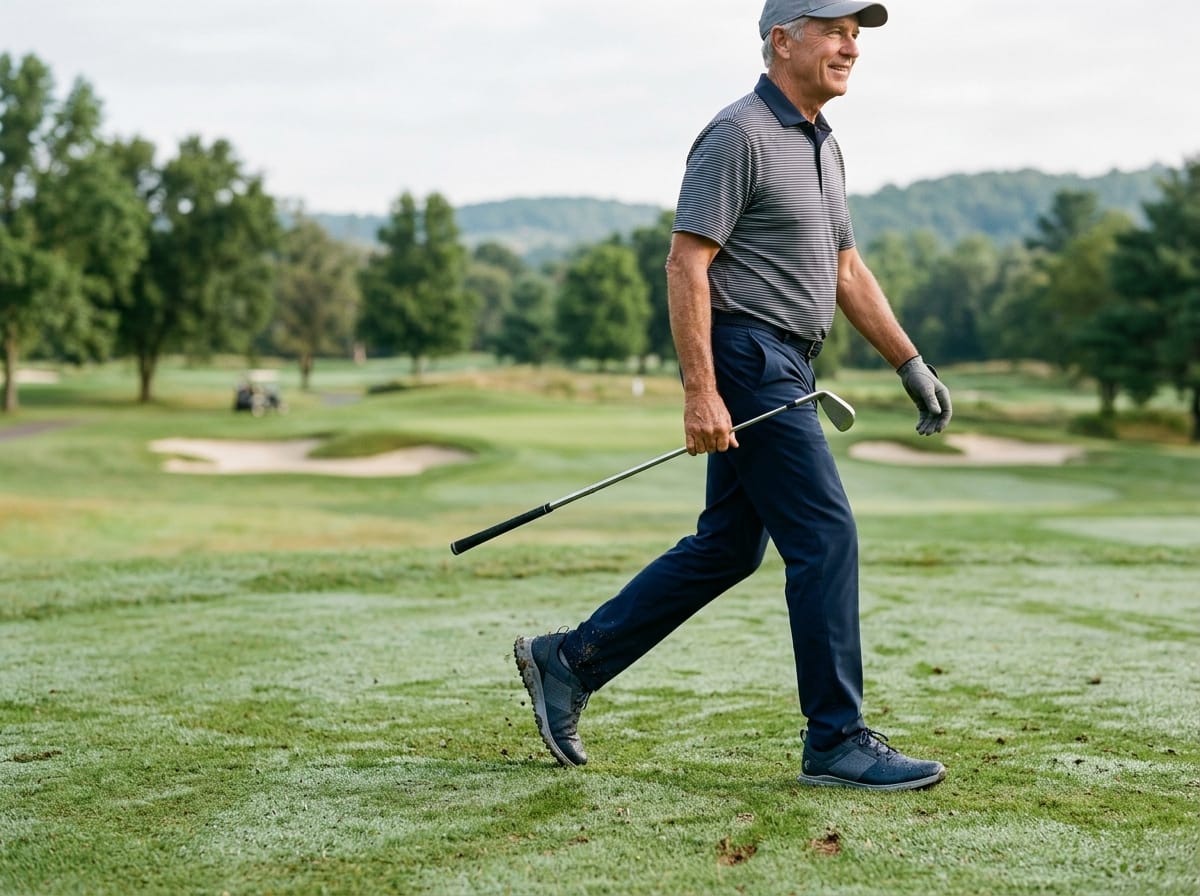
Waterproof spikeless golf shoes can make every round feel easier for senior golfers who want comfort, grip, and reliable support without the stiffness of traditional golf footwear. As players get older, the right shoes become more than a style choice. They can affect balance, walking comfort, swing stability, and energy levels from the first tee to the final green. Because many senior golfers walk on damp grass, uneven fairways, soft tee boxes, and sloped approaches, footwear needs to offer steady traction without feeling heavy or restrictive. The best pair should keep feet dry, reduce foot fatigue, and help golfers move naturally through the swing.
Golf is a walking game, even when a cart is involved. Players still move from the cart path to the ball, cross wet rough, climb bunker edges, and stand on uneven lies. Therefore, shoes must support more than just the golf swing. They must also help the body handle several hours of movement. For seniors, this is especially important because sore feet, slipping, or poor arch support can make a round less enjoyable. Good footwear helps players stay focused on the shot instead of worrying about discomfort.
Spikeless designs have become popular because they feel closer to athletic walking shoes. Many modern models use strong rubber traction patterns instead of removable spikes. As a result, they can feel smoother underfoot while still gripping the turf well. This makes them a smart choice for senior golfers who want less pressure on the feet and more comfort during long rounds. When combined with waterproof protection, they become useful in many playing conditions.
A reliable pair also offers convenience. Seniors can wear many spikeless models from the car to the clubhouse, practice area, and course without changing shoes. That simple benefit matters more than it may seem. Less bending, less packing, and fewer footwear changes can make golf days feel smoother. In addition, many spikeless shoes now look stylish enough for casual wear after the round.
Why Senior Golfers Need Comfort and Grip
Comfort should always come first when choosing golf shoes for older players. Feet can become more sensitive with age, and small issues may feel bigger after several holes. A shoe that pinches, rubs, or feels too firm can affect posture and swing rhythm. Because of that, senior golfers should look for cushioning, flexible uppers, roomy toe boxes, and stable midsoles.
Grip is just as important. A golf swing creates twisting force through the feet, knees, hips, and back. If the shoes slip, the body may compensate in ways that affect balance or cause strain. Even a small slip on wet grass can make a golfer feel less confident. Therefore, waterproof spikeless golf shoes should provide traction through the heel, midfoot, and forefoot.
Many seniors also prefer shoes that feel stable without being stiff. Traditional spiked shoes can offer strong grip, but some models feel firm underfoot. Spikeless shoes often spread traction across the outsole, which can create a more even walking feel. This can reduce pressure points and make the round more comfortable.
Weight matters too. Heavy shoes can increase fatigue, especially during warm weather or hilly rounds. Lightweight golf shoes help seniors conserve energy, but they still need structure. A shoe that is too soft may feel comfortable at first, yet it may not support the foot well during the swing. The best choice balances cushioning with stability.
Water protection becomes important when early tee times bring dew, mist, or soft ground. Wet socks can create blisters and make feet feel cold. They can also make the golfer uncomfortable for the rest of the round. With waterproof spikeless golf shoes, seniors can play through morning moisture with more confidence.
What Makes a Great Waterproof Spikeless Design
A good waterproof shoe starts with the upper material. Some models use treated leather, while others use synthetic materials or waterproof membranes. Each option has benefits. Leather can feel supportive and classic, while modern synthetic uppers may feel lighter and more flexible. The goal is simple: keep water out while letting the shoe remain comfortable.
Breathability also matters. A shoe can keep rain and dew away, yet it may feel too warm if it traps heat. Senior golfers should look for designs that manage moisture while still protecting against wet grass. This helps keep feet comfortable during changing weather.
The outsole design is another key feature. Spikeless traction should cover the areas that matter most during walking and swinging. Look for multi-directional lugs, wider traction zones, and firm grip near the edges of the sole. These features can help the golfer stay steady during rotation. However, the outsole should still feel smooth when walking on paths or clubhouse floors.
Cushioning should feel supportive, not mushy. Very soft shoes can feel pleasant at first, but they may reduce stability during the swing. A balanced midsole absorbs impact while keeping the foot connected to the ground. This helps seniors walk comfortably while still feeling secure.
Fit is one of the biggest factors. Waterproof spikeless golf shoes should have enough room in the toe box, especially for players who deal with swelling during long rounds. However, the heel should stay secure. If the heel slips, blisters can form, and balance may suffer. A good fit should feel stable without squeezing the foot.
The lacing system can also affect comfort. Traditional laces allow small adjustments across the foot. Dial systems can be easier for golfers who prefer quick tightening without tying knots. Seniors with hand stiffness may appreciate this feature. Still, the shoe must feel secure after adjustment.
Benefits on Wet Grass and Uneven Lies
Wet conditions can make golf more challenging for any player. For seniors, they can also raise concerns about slipping and balance. A damp tee box, slick fairway slope, or muddy path can change how secure a golfer feels. That is why traction and waterproofing work best as a pair.
When shoes keep feet dry, the golfer feels more comfortable. When the soles grip properly, the golfer feels more stable. Together, these features can support a smoother swing. They also help seniors walk with better confidence between shots.
Uneven lies are common during a normal round. A ball may sit above or below the feet, near a bunker, on a slope, or in light rough. In those moments, the shoes need to hold firm without digging too harshly into the turf. Spikeless traction can work well because it uses many small grip points instead of a few large spikes. This can create a grounded feel while keeping pressure more evenly spread.
Waterproof spikeless golf shoes can also help during travel rounds. Many golf trips include unfamiliar courses, changing weather, and early starts. A dependable pair reduces the need to pack several shoe options. Seniors who want simple, practical gear may prefer one versatile pair that handles most conditions.
Another benefit is off-course comfort. Since spikeless shoes often look and feel more casual, golfers can wear them before and after the round. This can be helpful during golf vacations, club events, or practice days. Instead of changing shoes repeatedly, the golfer can move from the parking lot to the range and then to the course with less effort.
However, golfers should still care for their shoes properly. Waterproof protection can weaken over time if shoes are left dirty or soaked. After wet rounds, wipe them down, loosen the laces, and let them dry naturally. Avoid placing them near direct heat, as that can damage materials.
How to Choose the Right Pair for Senior Feet
The best shoe for one senior golfer may not work for another. Foot shape, walking style, balance needs, and course conditions all matter. Therefore, seniors should choose based on comfort and function rather than brand alone.
Start with fit. Try shoes later in the day if possible, since feet may swell after activity. Wear the same type of socks you use for golf. Walk around, twist gently, and check whether the heel stays secure. The toes should have space, but the foot should not slide inside the shoe.
Next, consider support. Golfers with flat feet may need better arch support. Those with high arches may want extra cushioning. Some players may also use custom or over-the-counter insoles. If so, make sure the shoe has enough interior space for them. A removable insole can make this easier.
Look at the outsole width. A slightly wider base can help some seniors feel more stable. This does not mean the shoe should feel bulky. It simply means the platform should support balance during walking and swinging. For golfers who worry about slipping, this feature can be reassuring.
Flexibility is important, but it should be controlled. A shoe should bend naturally at the forefoot while staying stable through the middle. If the whole shoe twists too easily, it may not support the swing well. If it feels too rigid, it may cause fatigue.
Waterproof spikeless golf shoes should also match the climate. In cooler, damp areas, stronger waterproof protection may matter most. In warmer climates, breathability may be just as important. Senior golfers who play year-round may benefit from one waterproof pair and one lighter summer pair.
Style can also play a role. Many seniors want shoes that look clean, classic, and easy to match with golf outfits. Neutral colors are versatile, while brighter options may feel sportier. The best-looking shoe is the one the golfer enjoys wearing, as long as it also performs well.
Common Mistakes to Avoid
One common mistake is choosing shoes only because they are waterproof. Water protection matters, but comfort and fit still come first. If a shoe keeps water out but causes heel rubbing, tight toes, or arch pain, it will not support a good round. Seniors should treat waterproofing as one important feature, not the only feature.
Another mistake is assuming all spikeless shoes provide the same grip. Some are made for casual comfort, while others are built for stronger course traction. Golfers who play wet or hilly courses need a sole pattern with enough grip for real turf conditions. A shoe that feels fine on a store floor may not feel secure on a damp slope.
Buying shoes too small is also common. Some players choose a tight fit because they worry about slipping inside the shoe. However, tight shoes can cause discomfort, numbness, and blisters. A better approach is to choose the right size with a secure heel and adjustable lacing.
Some seniors keep old golf shoes too long. Over time, cushioning breaks down, waterproofing fades, and traction wears smooth. Even if the shoes still look acceptable, they may no longer provide the support or grip needed. If the soles look worn or the feet feel tired after every round, it may be time to replace them.
Ignoring socks can create problems too. Even high-quality shoes can feel uncomfortable with poor socks. Moisture-wicking golf socks can reduce rubbing and help feet stay dry. For seniors who walk often, socks should be part of the comfort system.
Finally, do not assume the most expensive pair is always best. Premium shoes often offer great materials and construction, but the right pair must fit your feet. A mid-priced shoe that feels stable and comfortable may serve a senior golfer better than a costly model that feels too narrow or firm.
Care Tips to Keep Shoes Comfortable Longer
Proper care helps golf shoes last longer and perform better. After each round, remove grass, dirt, and moisture from the uppers and soles. This prevents buildup that can reduce traction. A soft brush and damp cloth are usually enough for regular cleaning.
Let shoes air dry naturally. Remove the insoles if they are damp. Stuffing the shoes with paper can help absorb moisture, but avoid high heat. Direct heat can shrink materials, weaken adhesives, and damage waterproof layers. Patience protects the shoe.
Store shoes in a cool, dry place. Do not leave them in a hot car trunk for long periods. Heat and humidity can affect shape, cushioning, and waterproof performance. A breathable shoe bag works better than a sealed plastic bag.
Check the outsole often. Spikeless traction wears down gradually, so it may not be obvious at first. If the lugs look smooth or the shoes feel less stable on wet grass, replacement may be needed. Good traction is especially important for senior golfers who value balance.
Waterproof spikeless golf shoes may also benefit from occasional cleaning products made for golf footwear. Use products that match the shoe material. Leather, mesh, and synthetic uppers may need different care. Always follow the manufacturer’s care guidance when available.
Rotating shoes can also help. If you play several times a week, using more than one pair gives each pair time to dry fully. This can improve comfort and extend lifespan. It also gives you options for different weather conditions.
Final Thoughts on Comfort, Grip, and Confidence
The right golf shoes can make the game feel easier from the ground up. For senior golfers, comfort and stability are not small details. They influence how confidently a player walks, sets up, turns, and finishes each swing. When shoes feel supportive, dry, and secure, the golfer can focus more fully on the shot.
Waterproof spikeless golf shoes offer a strong mix of practical benefits. They help protect feet from dew and light rain, provide grip without traditional spikes, and often feel comfortable enough for long rounds. They also reduce the need to change footwear before and after play, which adds convenience.
Before buying, focus on fit, cushioning, traction, waterproofing, and support. Choose shoes that match your course conditions and walking habits. A senior golfer who plays damp morning rounds may need stronger waterproof protection, while someone in a warmer climate may need more breathability. Either way, the best pair should feel good during both walking and swinging.
Golf should feel enjoyable, not tiring or uncertain. With the right footwear, seniors can move with more confidence and protect their comfort throughout the round. A dependable pair of waterproof spikeless golf shoes can support safer steps, steadier swings, and better overall enjoyment on the course.
FAQ
1. Are Spikeless Golf Shoes Good for Older Golfers?
Yes, spikeless golf shoes can be a great choice for older golfers. They often feel lighter, more flexible, and more comfortable for walking than traditional spiked shoes.
2. Do Seniors Need Waterproof Golf Footwear?
Waterproof footwear is helpful for seniors who play in morning dew, wet grass, or changing weather. Dry feet can improve comfort and reduce rubbing during long rounds.
3. Can Spikeless Shoes Provide Enough Grip on Wet Turf?
Many modern spikeless shoes offer strong grip on wet turf. Look for multi-directional traction, a stable base, and outsole patterns designed for golf movement.
4. What Fit Features Matter Most for Senior Golfers?
A roomy toe box, secure heel, supportive midsole, and comfortable cushioning matter most. Seniors should also consider arch support and space for insoles if needed.
5. How Long Should Golf Shoes Last?
Golf shoes can last many rounds with proper care, but traction and cushioning wear down over time. Replace them when the soles feel smooth, the support fades, or water starts leaking in.