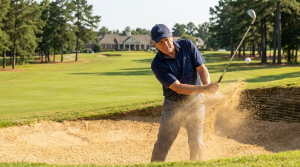
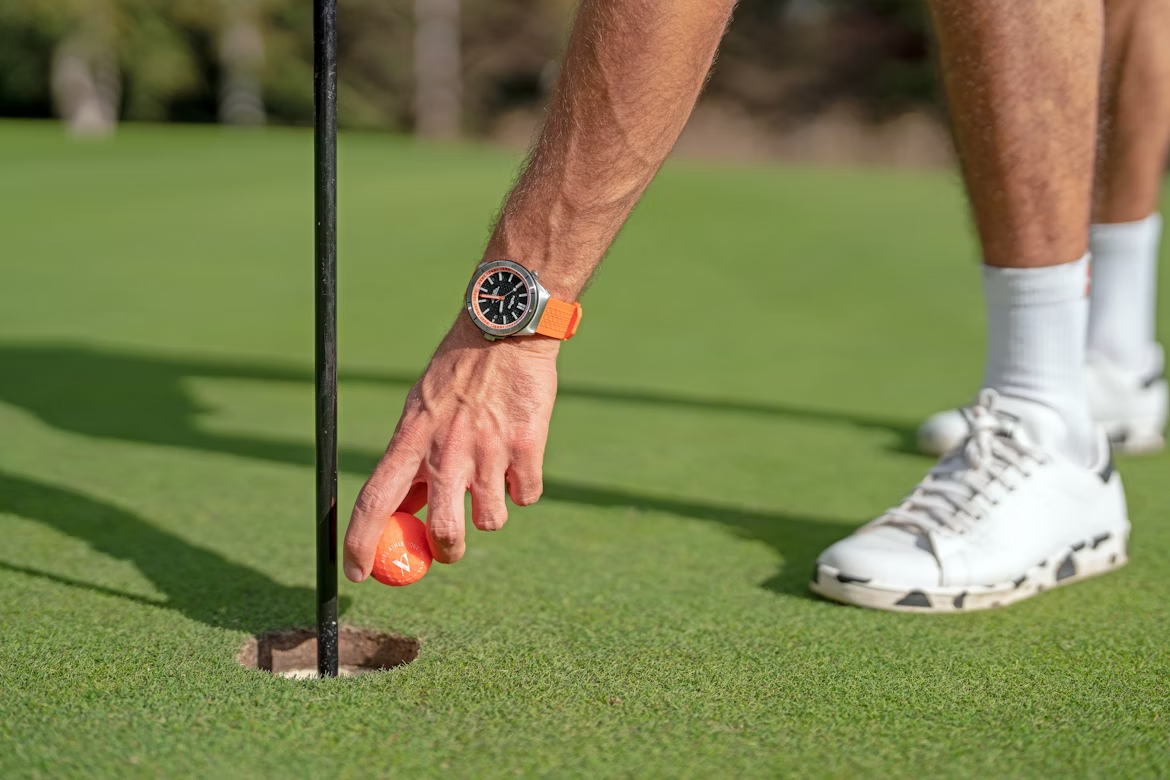
Why Ball Choice Matters for Senior Golfers
Let’s be honest—most golfers spend way more time fussing over clubs than balls. But if you’re a senior player, finding the best golf balls for senior players can make a bigger difference than you think. As swing speeds dip and control gets trickier, the right senior golf balls can give your game a second wind.
Aging and Its Impact on Golf Performance
Your muscles don’t fire like they did at 30, and your flexibility might not be what it once was. That’s not a bad thing—it just means the game needs to evolve with you. Using a ball that complements your tempo and speed can be a total game-changer.
How the Right Ball Can Transform Your Game
A well-suited golf ball can help you gain back lost yardage, improve control around the greens, and even boost your confidence off the tee. It’s not magic—it’s just good science and smart design.
What Makes a Golf Ball Senior-Friendly?
Low Compression Core
Low compression balls compress easier on impact, giving you more energy transfer even with a slower swing. Translation? More distance with less effort.
Softer Cover Materials
Soft covers enhance feel and control, especially on chips and putts. It’s like switching from a rock to a marshmallow—but in a good way.
High Launch Capabilities
Getting the ball airborne is tougher with a slower swing. Balls designed to launch higher can help you carry hazards and stop the ball on the green.
Spin Control for Short Game Precision
Greenside spin makes or breaks a round. Senior golf balls often balance low driver spin for distance and higher wedge spin for touch.
Key Features to Consider When Choosing Senior Golf Balls
Swing Speed Compatibility
If you swing under 90 mph, low compression is key. Don’t let high-speed tour balls rob you of distance and control.
Distance vs. Control Balance
Some balls lean more toward distance, others toward feel. Pick what matches your priorities—or find one that gives a bit of both.
Durability and Feel
Soft covers tend to wear faster but offer better feel. If you’re a casual player, this trade-off is usually worth it.
Visibility and Color Options
Bright yellows, oranges, and even matte finishes make it easier to track your shots, especially on cloudy days or in the fall.
Best Overall Senior Golf Balls
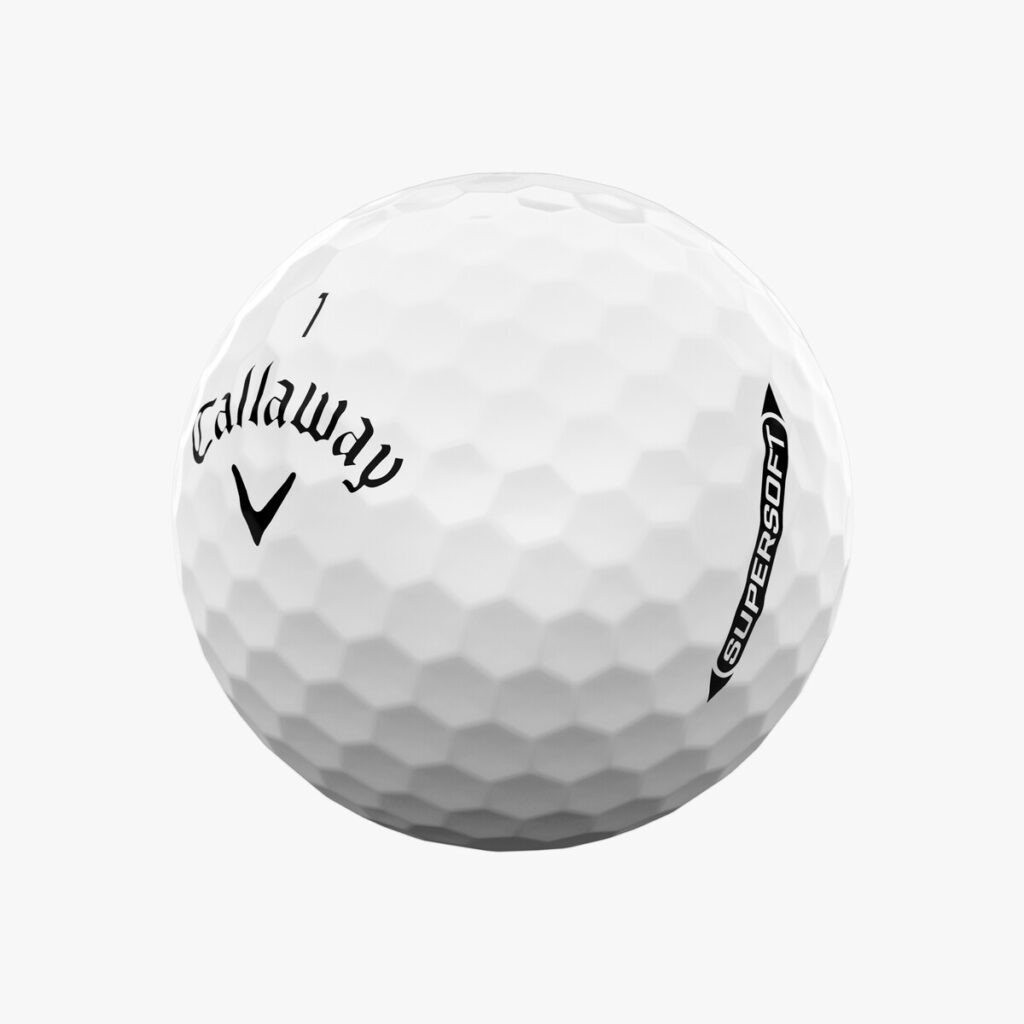
Callaway Supersoft
One of the most popular choices for seniors. It’s super low compression, easy to launch, and surprisingly soft around the greens.
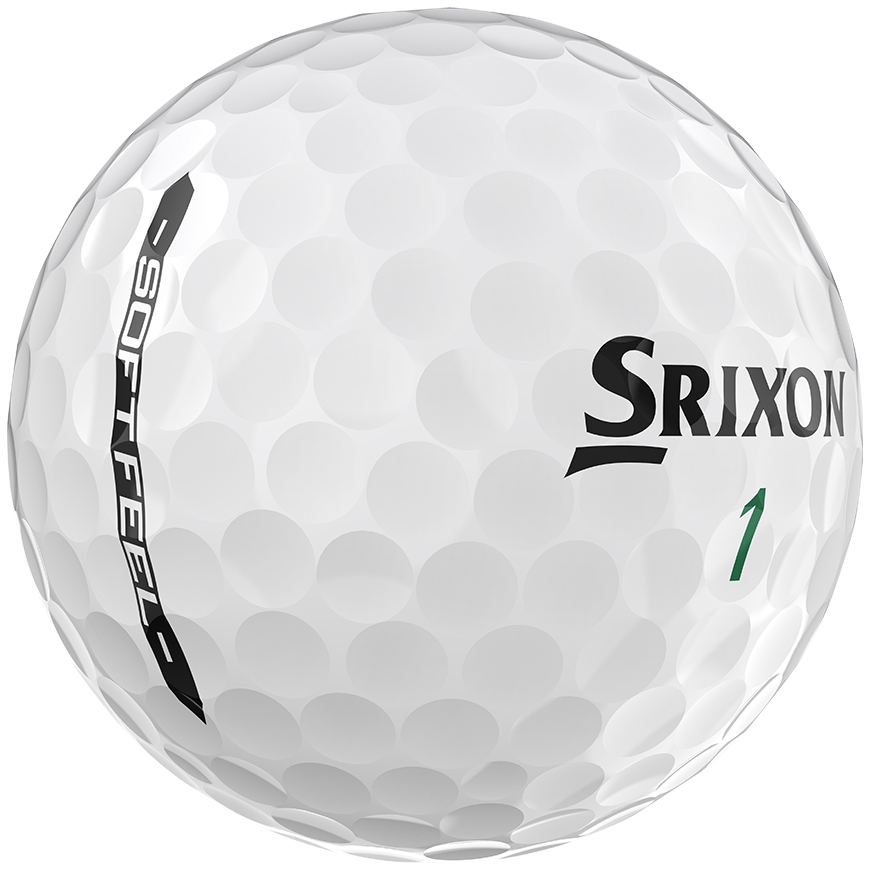
Srixon Soft Feel
This ball lives up to its name—plenty of distance and a buttery touch on short shots. A great all-around option.
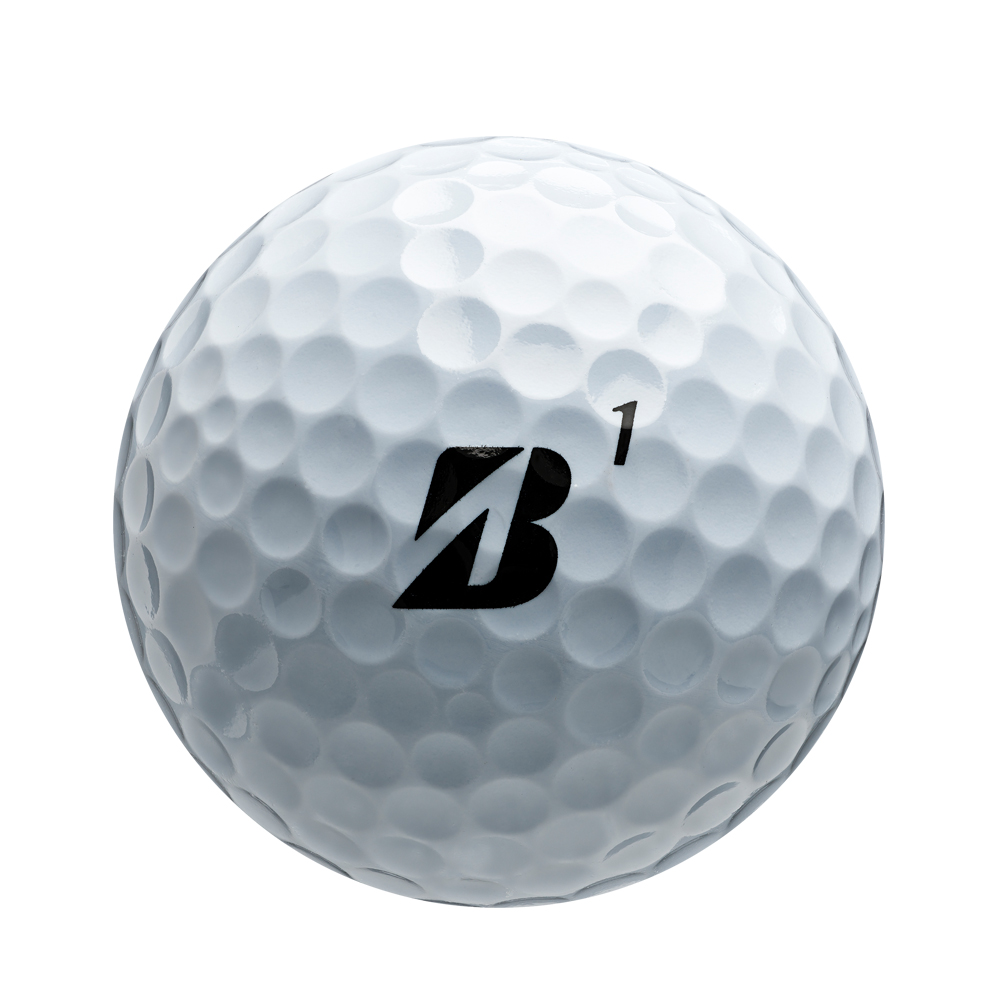
Bridgestone e6
Combines low spin off the driver for distance with great feel on the greens. Designed specifically with moderate swing speeds in mind.
Best Senior Golf Balls for Distance
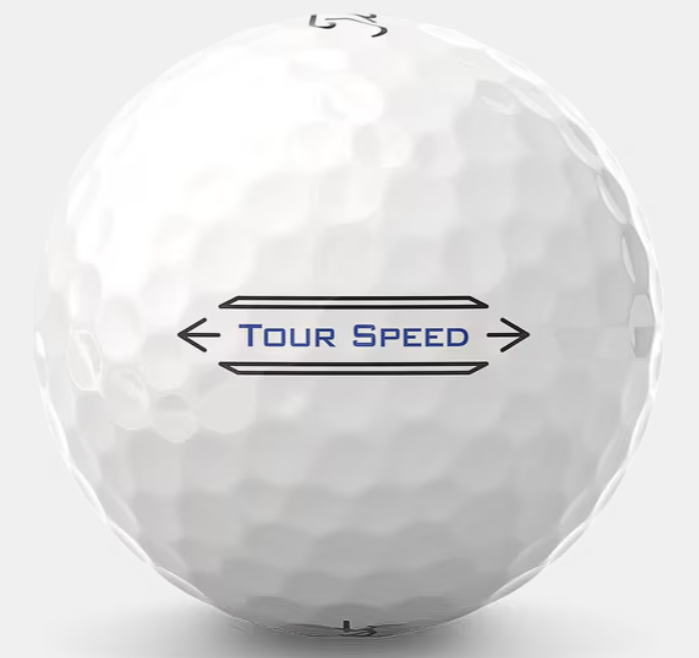
Titleist Tour Speed
Surprisingly fast and aerodynamic. While not specifically a senior ball, it performs well for mid-to-slow swingers looking to maximize distance.
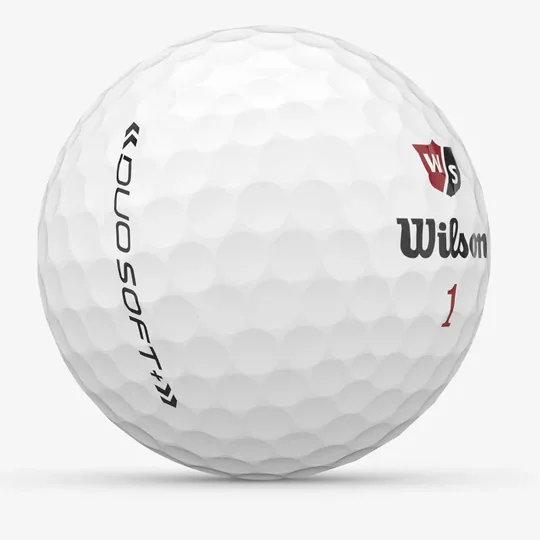
Wilson Duo Soft+
Marketed as the world’s softest ball, and it flies. Great for players who want max yardage without sacrificing feel.
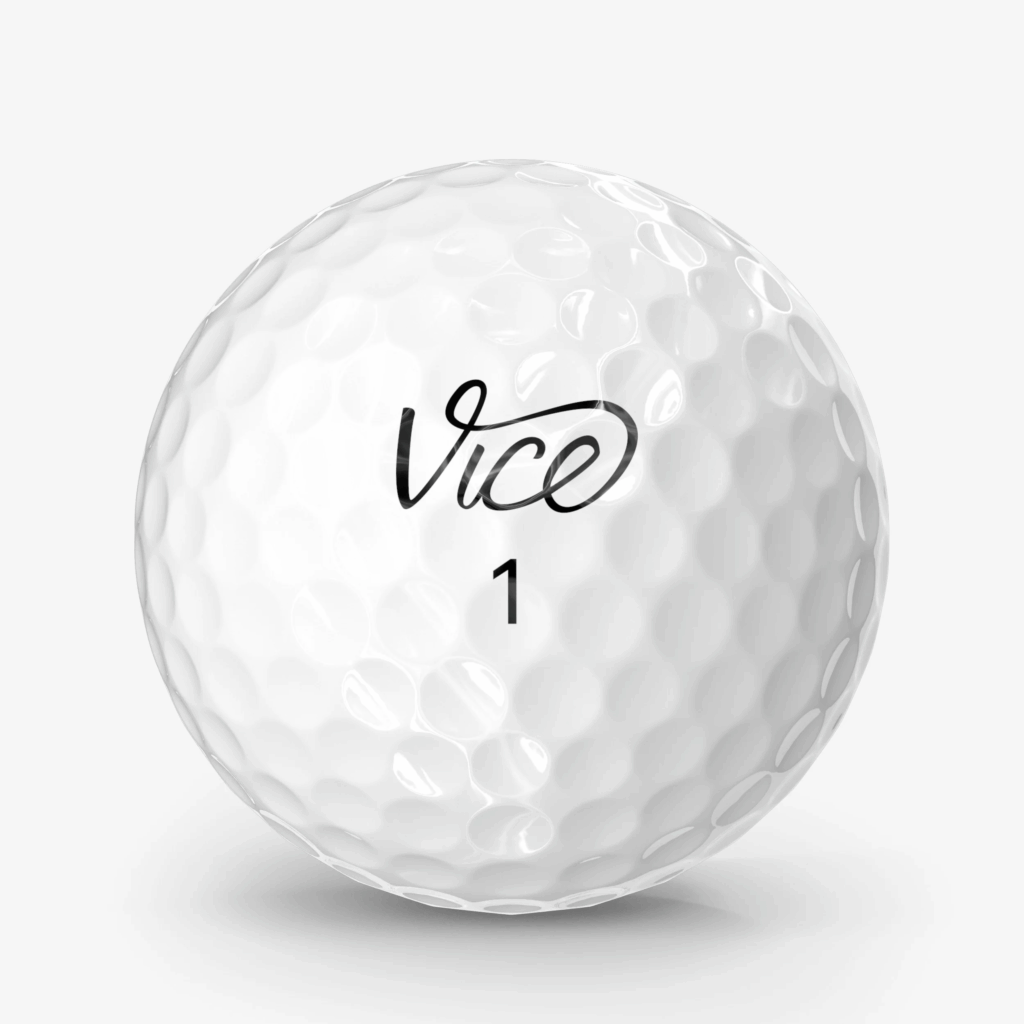
Vice Drive
Affordable, long, and low compression. It’s a sleeper pick that’s becoming more popular in senior circles.
Best Golf Balls for Control and Feel
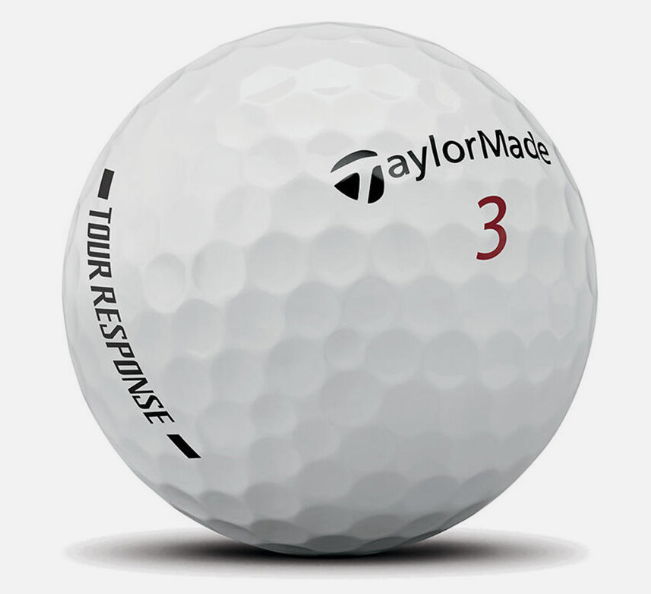
TaylorMade Tour Response
Tour-level urethane cover at a lower price and compression. Fantastic greenside control and a solid mid-flight trajectory.
Bridgestone Tour B RX
Endorsed by Fred Couples—need we say more? Designed for players under 105 mph swing speed who still want premium spin and feel.
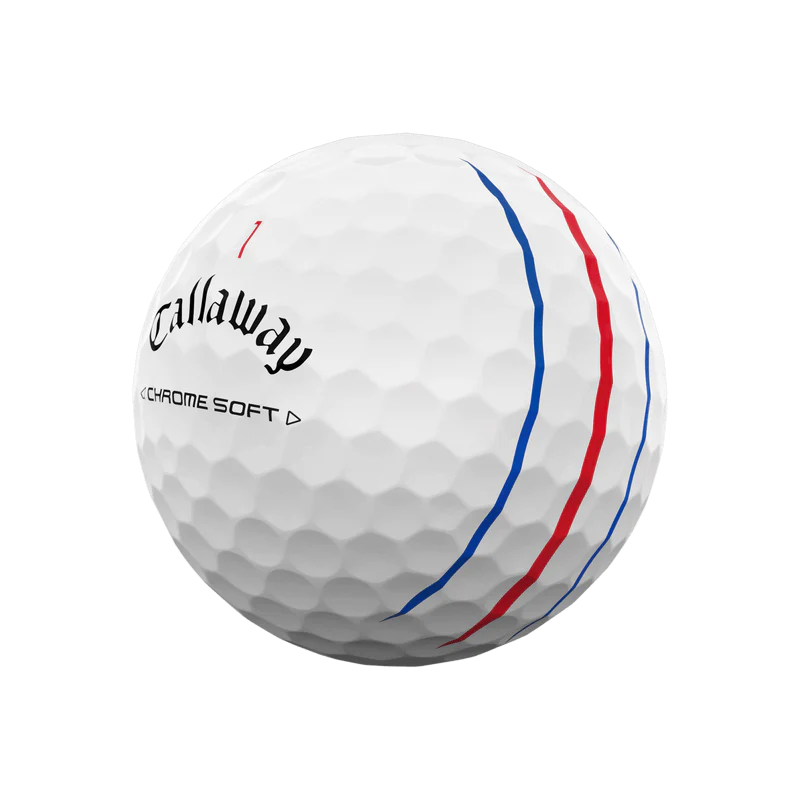
Callaway Chrome Soft
Luxurious feel, tour-caliber control, and still playable for slower swingers. A favorite for seniors with refined short games.
Best Budget Golf Balls for Seniors
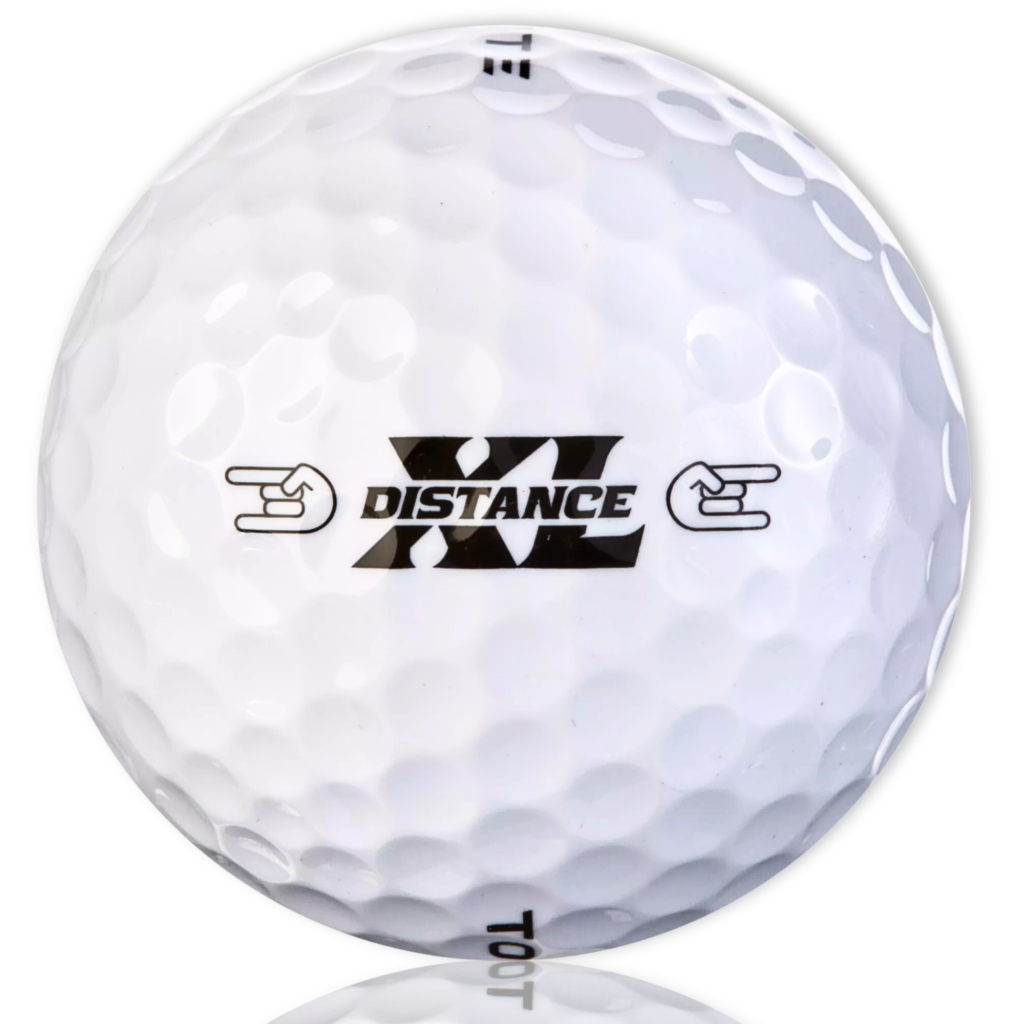
Top Flite XL Distance
No frills, just yards. Great for beginners or budget-conscious seniors who want simple performance.
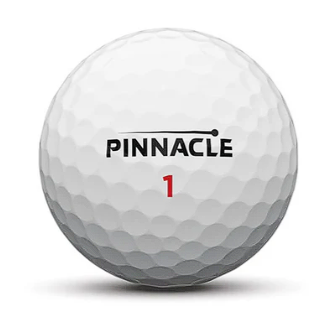
Pinnacle Soft
Soft cover, decent feel, and respectable distance. A reliable ball that doesn’t empty your wallet.
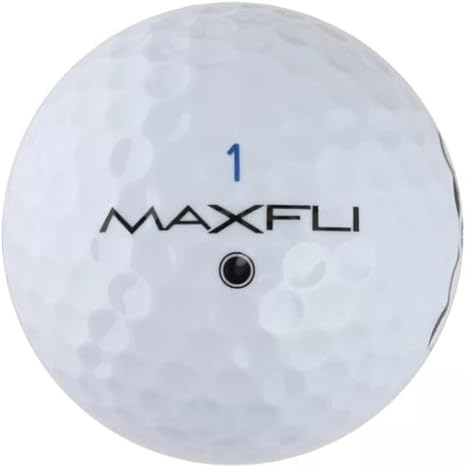
Maxfli SoftFli
Low compression, colorful options, and a soft feel—what’s not to love for under $25 a dozen?
Best Colored Golf Balls for Visibility
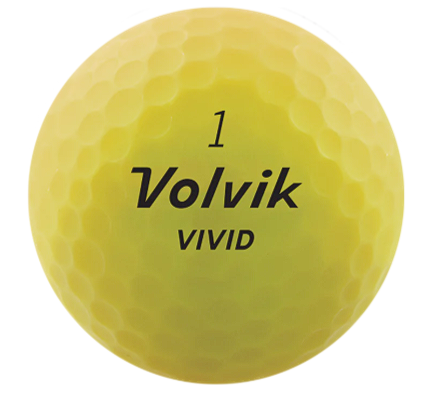
Volvik Vivid
Bold matte finish makes it super easy to spot. Great for older eyes and stylish players alike.
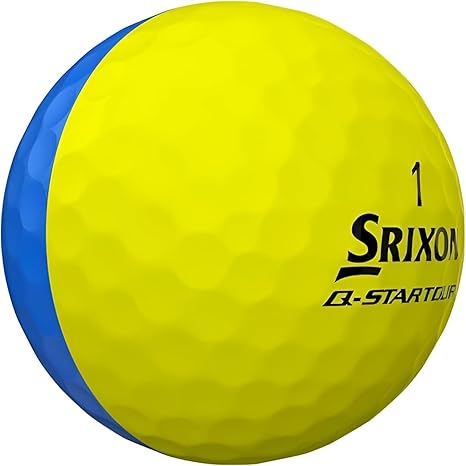
Srixon Q-Star Tour Divide
Half one color, half another—it spins, it feels great, and you can literally see your spin on the green.
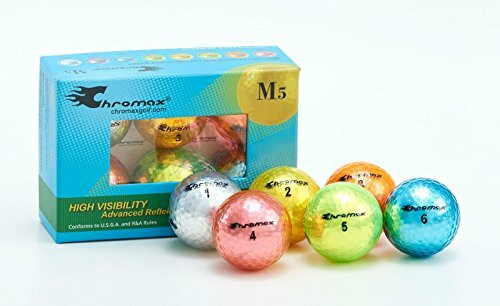
Chromax M5
Reflective metallic finish. It’s like hitting a disco ball, but you’ll never lose sight of it.
Compression Explained: Why Low is the Way to Go
Understanding Compression Ratings
Compression refers to how much the ball deforms under pressure. Low compression (typically 30–60) is ideal for slower swings.
Ideal Compression Range for Seniors
Anything under 70 is your sweet spot. It helps you compress the ball fully and get better distance, even at lower speeds.
Matching Golf Balls with Swing Speed
Identifying Your Swing Speed
If you’re not sure, most seniors fall between 70–90 mph with a driver. A quick session at a range with a monitor can give you clarity.
Ball Performance at Lower Speeds
Low-compression balls compress easier, so they fly farther. High-compression balls won’t “activate” properly, costing you yards.
Should You Use the Same Ball Every Round?
The Case for Consistency
Sticking with the same ball helps you learn how it reacts to your swing. Better predictability = better scores.
When to Try Something New
If your game is plateauing or your needs change—try something new. Testing can be fun and eye-opening.
Tour-Level Balls vs. Senior-Specific Designs
What’s the Real Difference?
Tour balls are built for high-speed swings and pinpoint spin control. Senior balls are optimized for ease and forgiveness.
Are Tour Balls Worth It for Seniors?
Only if you’ve got the speed to handle them. Otherwise, they’re more frustrating than helpful.
User Reviews and On-Course Feedback
“Switched to the Srixon Soft Feel and immediately noticed better control on chips and putts.”
— Mark, 68
“Wilson Duo Soft+ gave me 10 extra yards with my driver. At 72, that’s a big deal.”
— Elaine, 72
“Love the visibility of Volvik Vivid—can finally track my drives again!”
— George, 65
Testing and Choosing the Right Ball for You
Range vs. Real Play Testing
Test a few brands at the range, but always judge by on-course results. Your scorecard doesn’t lie.
Pay Attention to Your Scorecard
Distance is great, but how’s your putting? Your short game? Keep the ball that helps all-around performance, not just one aspect.
Final Thoughts on Senior Golf Ball Selection
Your swing isn’t the same as it was decades ago—but your game can still be sharp. Choosing the right golf ball isn’t just about preference, it’s about performance. Focus on low compression, soft feel, and high launch, and you’ll be surprised at how much your ball choice can elevate your game. Remember, the best senior golf ball is the one that fits your game—so tee up, test a few, and find your new go-to.
FAQs
1. What is the best compression rating for a senior golfer?
Look for a compression rating between 30 and 70. These are easier to compress and generate more distance at slower swing speeds.
2. Can colored golf balls really help seniors?
Yes! Bright and matte finishes make tracking the ball easier, especially with aging vision.
3. Should I prioritize distance or feel in a golf ball?
It depends on your game. Distance helps off the tee, but feel improves your short game. Ideally, find a ball that balances both.
4. Are expensive golf balls worth it for seniors?
Only if they match your swing speed and goals. Many mid-priced options offer top-tier performance without the premium price.
5. How often should I change golf balls?
After 18–36 holes, most balls show wear. If you notice cuts or scuffs, it’s time to swap it out.