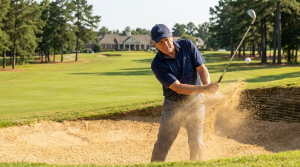
Senior golf club fitting can completely change how the game feels once you reach your 50s, 60s, and beyond. While many golfers assume declining performance is unavoidable, equipment that no longer matches the body is often the real issue. Clubs that once felt effortless may now feel heavy, stiff, or unpredictable.
That frustration adds up. Drives lose carry. Irons miss greens more often. Fatigue shows up earlier in the round. However, the solution is not a swing overhaul. Instead, it’s about fitting the tools to the golfer you are today.
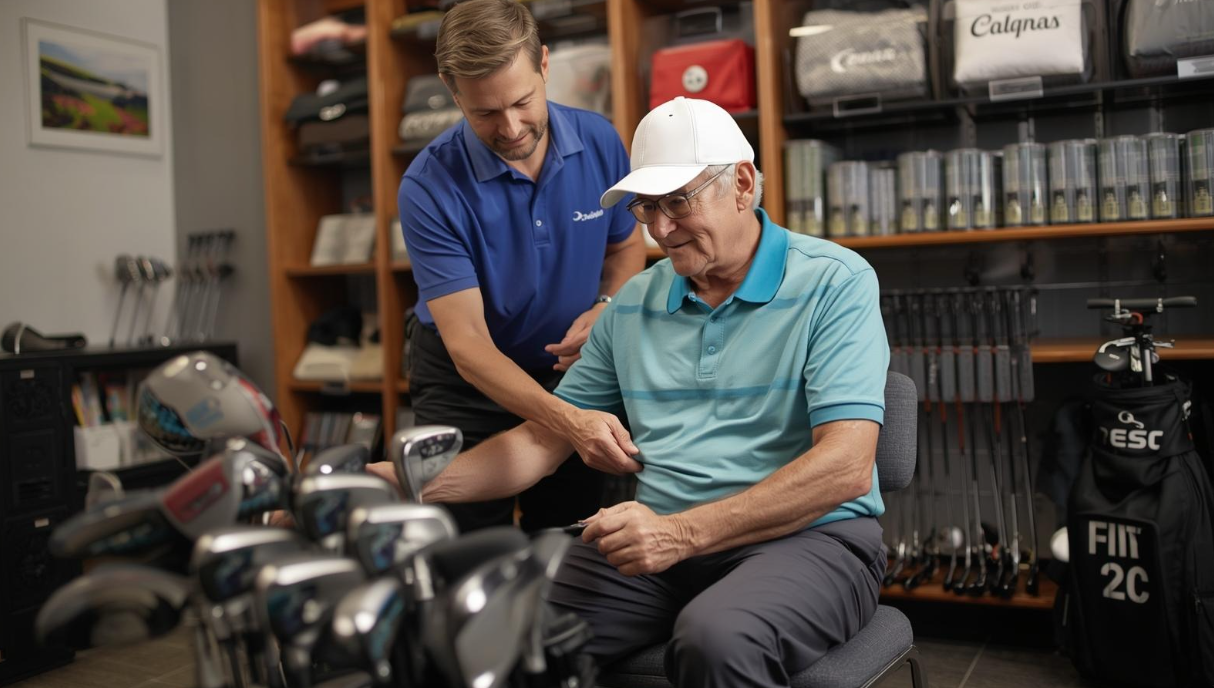
A proper fitting aligns your clubs with your swing speed, posture, strength, and comfort level. As a result, golf feels smoother, more forgiving, and far more enjoyable. <img src=”https://www.pgatour.com/content/dam/pgatour/editorial/2023/club-fitting.jpg” alt=”senior golf club fitting session improving accuracy and comfort”>
Why Club Fitting Matters More for Older Golfers
As golfers age, physical changes subtly affect performance. Grip strength may decline. Flexibility can vary from season to season. Swing speed often decreases slightly, even for players who stay active.
When equipment stays the same while the body changes, problems appear. Shafts feel harder to load. Contact drifts across the face. Consistency suffers.
Club fitting for seniors accounts for these realities. It adjusts length, weight, and flex so the club works with your motion. Instead of fighting the club, you feel supported by it.
This adjustment alone often produces instant improvement. Shots fly higher. Direction tightens. Confidence grows.
How Poorly Fit Clubs Hold Seniors Back
Ill-fitting clubs rarely cause dramatic failure. Instead, they slowly erode performance.
You may lose a few yards per club. Dispersion widens slightly. Mishits feel harsher than they used to. Over time, trust disappears.
Many golfers blame age or technique. Yet equipment mismatch is frequently the hidden cause.
Proper golf club fitting for older players restores balance. The clubhead returns to the ball more consistently. Timing improves. The swing feels natural again.
Small gains in comfort and consistency quickly add up on the scorecard.
Shaft Flex and Weight for Senior Golfers
Shaft selection is one of the most important elements of fitting. Flex and weight directly influence launch, distance, and control.
Many seniors still use shafts that are too stiff or too heavy. As swing speed changes, these shafts no longer load efficiently. Consequently, shots fly lower and curve more.
A properly fit shaft bends at the right time. Energy transfers smoothly into the ball. Launch improves without added effort.
Weight also matters. Lighter shafts can increase speed, but stability must remain. A fitting balances speed and control to suit the golfer’s tempo.
According to guidance from manufacturers like
<a href=”https://www.ping.com” target=”_blank” rel=”noopener”>Ping Golf</a> and
<a href=”https://www.taylormadegolf.com” target=”_blank” rel=”noopener”>TaylorMade Golf</a>,
matching shaft characteristics to swing speed is one of the fastest ways to improve consistency.
Club Length and Lie Angle Adjustments
Length and lie angle strongly affect accuracy. Clubs that are too long or too short force compensations.
For seniors, posture often becomes more upright. Standard-length clubs may no longer fit comfortably. When posture suffers, strike location follows.
Lie angle is equally important. If the sole does not sit flush at impact, the face points left or right. Even good swings miss the target.
A fitting adjusts these variables so the club returns squarely to the ball. Contact improves. Direction tightens. Misses become playable instead of costly.
Grip Size and Comfort in Senior Golf Equipment
Grip size is frequently overlooked, yet it plays a major role in comfort and control.
As hands change, smaller grips can feel insecure. That insecurity causes over-gripping. Tension increases. Swing speed drops.
Larger grips reduce pressure in the hands and wrists. They promote a smoother, more relaxed swing. For golfers with arthritis, this can be a game-changer.
Grip material also matters. Softer compounds absorb vibration and reduce impact shock, making longer rounds more enjoyable.
For more guidance, see our related resources:
<a href=”/best-golf-equipment-for-seniors”>Best Golf Equipment for Seniors</a>
<a href=”/golf-grips-for-older-golfers”>Golf Grips for Older Golfers</a>
Optimizing Launch and Spin for Better Ball Flight
Ball flight often changes with age. Many seniors struggle with shots that launch too low. Others generate excess spin and lose distance.
A proper fitting adjusts loft, shaft profile, and clubhead design to correct these issues. The goal is not maximum distance, but usable distance.
Higher launch with controlled spin leads to longer carry and softer landings. Greens become easier to hold. Long approaches feel less intimidating.
When ball flight improves, trust returns. Golf becomes strategic again rather than reactive. <img src=”https://www.clevelandgolf.com/on/demandware.static/-/Sites-clevelandgolf-Library/default/dw2b5b8f4a/club-fitting.jpg” alt=”golf club fitting for seniors optimizing launch and spin”>
Driver Fitting for Senior Golfers
Driver fitting often delivers the most noticeable improvement. Off-the-rack drivers are built for averages, not individuals.
A fitted driver optimizes loft, shaft, and head design for your swing. That combination improves launch conditions without demanding more effort.
Many seniors regain distance they thought was gone. Even more importantly, accuracy improves at the same time.
According to fitting data shared by
<a href=”https://www.odysseygolf.com” target=”_blank” rel=”noopener”>Odyssey Golf</a> and
<a href=”https://www.clevelandgolf.com” target=”_blank” rel=”noopener”>Cleveland Golf</a>,
proper driver setup can significantly reduce dispersion for moderate swing speeds.
Iron Fitting Focuses on Consistency
Iron fitting prioritizes consistency over raw power. Forgiving heads, wider soles, and optimized weighting help get the ball airborne more easily.
Loft gapping is adjusted to ensure even distance spacing between clubs. That prevents overlap and confusion during play.
Shafts are chosen to promote smooth tempo and solid contact. The result is predictable yardages and improved confidence on approach shots.
Predictability lowers scores faster than chasing extra distance.
Wedges and the Short Game Advantage
Fitting does not stop at long clubs. Wedges play a crucial role in scoring.
Bounce and grind options are matched to swing style and turf conditions. Proper wedge setup prevents digging and blading.
When wedges are fit correctly, turf interaction improves. Distance control sharpens. The short game becomes a strength again.
Since wedges are used frequently, these gains are felt every round.
The Mental Benefits of Properly Fit Clubs
Equipment influences mindset more than most golfers realize. When clubs feel right, doubt fades.
You commit to shots. You stop steering the ball. Decision-making improves.
That mental freedom leads to better results. Confidence builds naturally.
Golf becomes enjoyable again, not exhausting.
Why Club Fitting Is an Ongoing Process
Fitting is not a one-time event. Bodies change. Swings evolve.
Periodic checkups ensure equipment continues to match your game. Small tweaks maintain performance and comfort.
Staying proactive keeps golf fun and sustainable.
Conclusion
Club fitting is a true game-changer for senior golfers because it adapts the game to the player, not the other way around. Properly fit equipment restores distance, tightens accuracy, and reduces fatigue.
You don’t need a new swing. You need clubs that fit the swing you already have.
When equipment works with your body, golf feels easier, more consistent, and far more rewarding.
FAQ
1. What is senior golf club fitting?
It matches equipment to an older golfer’s swing speed, strength, posture, and comfort needs.
2. Is fitting worth it for senior golfers?
Yes. Many players see immediate gains in distance, accuracy, and consistency.
3. How often should seniors get fit for clubs?
Every few years or after noticeable physical or performance changes.
4. Does fitting help reduce fatigue?
Absolutely. Proper weight and balance make rounds less tiring.
5. Can high-handicap seniors benefit from fitting?
Yes. Golfers of all skill levels gain confidence from properly fit equipment.