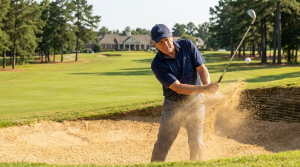

A smooth, consistent swing plane makes golf easier at any age. For seniors, it becomes especially important because the right plane supports better contact, reduces strain, and creates reliable ball flight without requiring more speed. Swing plane problems—like coming over the top, lifting the club, or dropping too far inside—lead to slices, hooks, and inconsistent strikes. That’s why these golf swing plane tips for seniors focus on clarity, comfort, and controlled motion.
Many older golfers deal with limited flexibility, slower rotation, or reduced strength. These natural changes can affect posture and path. Fortunately, improving your swing plane doesn’t require perfect athletic moves. It only requires understanding the right concepts and using simple adjustments that fit a senior-friendly swing. Let’s explore the best golf swing plane tips for seniors to improve contact and achieve cleaner, more dependable ball striking.
Start with a Comfortable, Balanced Setup
A solid swing plane begins before the club even moves. Seniors benefit from a posture that encourages natural movement without forcing rotation. A slightly wider stance offers more balance. A gentle knee bend reduces tension. A light hip hinge positions the club on a comfortable path.
This setup creates the foundation for a swing that follows the correct plane naturally. When your body starts in the right place, the club moves on a more consistent path with less effort.
Comfort leads directly to more reliable contact.
Use a Slightly Upright Posture to Improve Mobility
Many seniors struggle with a deep hip bend due to lower back tightness or reduced flexibility. An overly bent posture makes it difficult to rotate properly, causing the club to deviate off plane. A slightly more upright stance solves this problem.
Standing a bit taller allows the shoulders to turn more freely. This supports a smoother takeaway and a stable, predictable downswing. Seniors often notice immediate improvement in swing path when they stop bending too low.
Upright posture also reduces fatigue, making longer rounds easier.
Let the Arms Hang Naturally with No Tension
Tension in the arms or shoulders disrupts the swing plane. When the arms tighten, the takeaway becomes jerky or steep. Relaxed arms hang naturally and allow the club to move on a steady arc.
Seniors benefit from practicing a soft arm position before starting the swing. Light grip pressure reinforces this relaxation. As tension decreases, the club follows a more controlled, consistent path.
Relaxed arms support a smoother motion from backswing to follow-through.
Use a One-Piece Takeaway to Stay on Plane Early
The takeaway sets the tone for the entire swing. Many seniors accidentally lift the club with their hands, pulling it off plane immediately. A one-piece takeaway—where the chest, arms, and club move together—keeps everything aligned.
To feel this, imagine the triangle formed by your shoulders and arms staying intact for the first few inches of the swing. This simple move helps prevent early breakdown and supports a clean plane from the start.
When the takeaway stays on track, the rest of the swing follows naturally.
Keep the Clubhead Outside the Hands During the Takeaway
A common mistake is dragging the club too far inside early. This often causes a flat backswing and an over-the-top move later. Seniors can avoid this by checking that the clubhead remains slightly outside the hands during the takeaway.
This move positions the club on a balanced path. It also prevents the hips and shoulders from turning too quickly. Seniors gain a steadier, more controlled backswing that supports better contact.
This simple checkpoint eliminates many swing plane issues.
Turn the Shoulders, Not the Arms, to Build the Backswing
Seniors with limited flexibility often compensate by using the arms instead of the torso. This leads to a disconnected motion and an inconsistent plane. Shoulder turn guides the club naturally without forcing the arms to lift.
Turning the shoulders—even if the rotation is smaller—places the club in a repeatable position at the top. This move reduces stress on the lower back and encourages a more efficient downswing.
A controlled shoulder turn improves ball striking immediately.
Use a Shorter, More Compact Backswing
A long backswing can pull seniors off plane because it requires extra rotation that may not be comfortable. A shorter, compact backswing offers more control and helps keep the club on path.
Compact swings also reduce timing issues. Seniors who simplify their backswing notice better balance, more centered contact, and fewer mishits.
Short, efficient swings beat long, inconsistent ones every time.
Let Gravity Start the Downswing for a Natural Plane
Forcing the downswing causes swing plane issues. Many seniors try to “hit” the ball, which leads to steep angles or over-the-top moves. Instead, allow gravity to initiate the motion.
Relax the arms at the top and feel the club fall into the slot. This natural motion creates an inside-to-square path that improves contact and reduces slicing. Seniors appreciate that this move requires less effort and produces better results.
Gravity supports a smooth, accurate plane.
Shift Pressure to the Lead Side Without Lunging
Proper weight transfer keeps the golf swing on the correct plane. Seniors often shift too quickly or not at all. The goal is a gradual, controlled move toward the lead side during the downswing.
This shift stabilizes the torso, helps the club bottom out correctly, and produces cleaner strikes. Seniors benefit from focusing on pressure movement rather than aggressive weight transfer.
Balanced pressure improves contact and consistency.
Maintain Spine Angle Through Impact
Standing up or lifting during impact pulls the club off plane. Seniors may do this because of back tightness or instability. Maintaining spine angle helps the club follow a predictable arc.
Think of keeping your chest over the ball just a fraction longer. This helps you strike the ball with a descending or level blow instead of catching it thin. Seniors who focus on stability through impact often see dramatic improvements in ball striking.
Spine angle supports crisp contact.
Use Training Aids That Reinforce Swing Plane
Several simple training aids help seniors visualize and feel the right swing plane at home. Useful aids include:
Alignment sticks
Swing plane guides
Foam pool noodles
Mirror stations
Weighted clubs
These tools offer clear feedback even in limited space. Seniors appreciate how these aids reinforce muscle memory without requiring full swings.
Visual training accelerates improvement.
Practice Slow-Motion Swings to Build Muscle Memory
Slow motion remains one of the best tools for improving the swing plane. Seniors gain control without stress by practicing 50% speed swings.
Slow practice allows focus on:
Smooth takeaway
Shoulder rotation
Balanced downswing
Steady finish
Repeating these motions builds reliability. When you speed back up, the body naturally follows the correct path.
Consistency begins with controlled repetition.
Finish in Balance to Confirm a Stable Plane
A balanced finish shows that your swing stayed on plane. Seniors should practice holding the finish for two to three seconds to verify stability.
If the body sways or the feet feel unstable, the plane may have shifted during the swing. Balanced finishes indicate solid mechanics and proper tempo.
A stable ending reflects a stable swing.
Conclusion
These golf swing plane tips for seniors help create smoother motion, better contact, and more reliable ball striking. A comfortable setup encourages natural movement. A one-piece takeaway supports alignment. Shoulder-driven rotation builds a consistent arc. A compact backswing helps maintain balance. Allowing gravity to start the downswing keeps the club on path while reducing strain. When seniors focus on comfort, clarity, and steady motion, their swing plane becomes more dependable—and their game improves round after round.
FAQ
- Why do seniors struggle with swing plane?
Reduced mobility and stiffness often disrupt rotation and path. - What’s the easiest way for seniors to fix swing plane?
Start with a one-piece takeaway and slow-motion practice to build control. - Should seniors shorten their backswing?
Yes. A compact backswing offers better stability and easier sequencing. - Do alignment sticks help seniors?
Absolutely. They provide visual cues that reinforce proper swing path. - How can seniors improve contact quickly?
Maintain spine angle through impact and relax the arms to support clean strikes.