
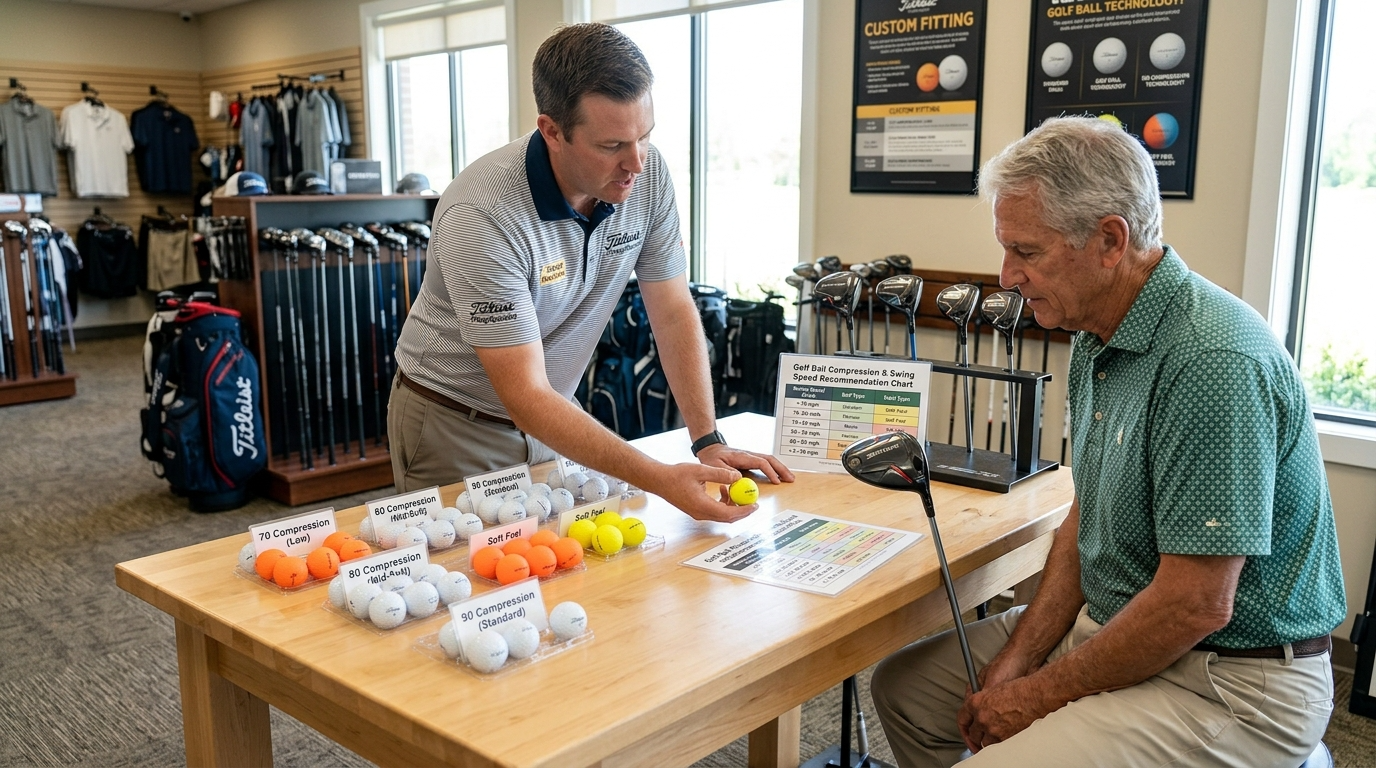
Choosing the right golf balls for senior clubs can make a bigger difference than most golfers expect. While many players focus heavily on club selection, the ball you play has just as much impact on your distance, feel, and overall performance. In fact, when your equipment works together, your game becomes more consistent and enjoyable. That’s why understanding how to match golf balls for senior clubs is essential, especially if you want to maintain distance and control as your swing evolves.
As golfers get older, swing speed typically decreases. Because of this, senior clubs are designed to help launch the ball higher with less effort. However, if you pair those clubs with the wrong golf ball, you may lose distance or struggle with control. So, choosing the right ball becomes just as important as selecting the right clubs.
Why Matching Your Ball to Your Clubs Matters
Many golfers underestimate how much a ball influences performance. Yet, the combination of your club and ball determines how efficiently energy transfers at impact. When you use golf balls for senior clubs that match your swing characteristics, you create better launch conditions and more consistent shots.
For example, softer golf balls compress more easily. This feature allows players with slower swing speeds to generate better distance. On the other hand, firmer balls require more force to compress properly. Therefore, using a ball that is too firm can result in reduced distance and a harsher feel.
Additionally, matching your ball to your clubs helps improve control around the greens. Senior clubs often promote higher launch angles, so pairing them with the right ball ensures you maintain spin and stopping power.
Understanding Swing Speed and Compression
To choose the best golf balls for senior clubs, you first need to understand swing speed. Most senior golfers fall into the moderate or slower swing speed category. Because of this, compression becomes a critical factor.
Low-compression balls are easier to compress at impact. As a result, they help maximize distance even with less swing speed. These balls also feel softer, which many senior players prefer. Meanwhile, high-compression balls are better suited for faster swings, as they require more force to perform optimally.
When you match compression to your swing, you gain more consistent ball flight. Moreover, you reduce the chances of losing distance due to inefficient energy transfer. Therefore, choosing low to mid-compression golf balls for senior clubs is often the best approach.
Distance vs. Control: Finding the Right Balance
Every golfer wants more distance, but control is equally important. While distance helps you reach greens faster, control allows you to score better. That’s why selecting golf balls for senior clubs involves finding the right balance between the two.
Distance-focused balls typically have fewer layers and lower spin. These features help reduce drag and increase roll after landing. However, they may sacrifice some control around the greens. In contrast, multi-layer balls provide more spin and better stopping power, especially on short shots.
For senior golfers, a balanced ball often works best. It provides enough distance without compromising feel and control. As a result, you can enjoy longer drives while still maintaining confidence in your short game.
The Role of Feel and Feedback
Feel plays a huge role in how confident you are on the course. Softer balls tend to feel better at impact, especially for players with slower swing speeds. When you use golf balls for senior clubs that offer a soft feel, you gain better feedback on every shot.
This feedback becomes especially valuable on putts and short chips. A softer ball allows you to judge distance more accurately. Additionally, it reduces the harsh sensation that firmer balls can produce.
However, feel is also personal. Some golfers prefer a slightly firmer response because it provides clearer feedback on mis-hits. Therefore, testing different options helps you find the feel that suits your game best.
Launch Angle and Trajectory Considerations
Senior clubs are designed to help golfers achieve higher launch angles. While this feature is beneficial, pairing it with the wrong ball can lead to overly high shots or loss of control. That’s why choosing the right golf balls for senior clubs is essential for managing trajectory.
Low-spin balls can help reduce excessive height while maintaining distance. Meanwhile, balls designed for higher launch can further assist players who struggle to get the ball airborne. The key is to find a combination that produces a strong, penetrating flight.
Additionally, wind conditions play a role. A ball that flies too high may struggle in windy conditions. Therefore, testing your ball in different environments helps you find a reliable option.
Spin Rates and Short Game Performance
Spin is another crucial factor when selecting golf balls. While lower spin helps with distance, higher spin improves control around the greens. For senior golfers, finding a middle ground is often the best strategy.
Golf balls for senior clubs should provide enough spin for stopping power without sacrificing distance. For example, moderate spin balls allow you to hold greens while still benefiting from longer drives.
Moreover, spin affects your ability to shape shots. While most senior golfers focus on consistency rather than shot shaping, having some control over spin still improves overall performance.
Durability and Value
Durability is often overlooked, but it matters. Softer balls tend to wear out faster, especially if you play frequently. However, many modern balls offer a good balance between softness and durability.
When choosing golf balls for senior clubs, consider how often you play. If you play multiple rounds per week, a more durable ball may provide better value. On the other hand, if you prioritize feel and performance, you may accept slightly reduced durability.
Additionally, budget plays a role. Premium balls offer advanced features, but mid-range options can still deliver excellent performance. Therefore, finding a ball that fits both your game and your budget is important.
Common Mistakes to Avoid
Many golfers make simple mistakes when choosing golf balls. One common mistake is using the same ball for years without considering changes in swing speed. As your swing evolves, your equipment should adapt as well.
Another mistake is choosing balls based on brand popularity rather than performance. While well-known brands offer quality products, not every ball suits every player. Testing different options helps you find the best fit.
Additionally, some golfers focus only on distance. While distance is important, ignoring control can hurt your scoring ability. Therefore, always consider both aspects when selecting golf balls for senior clubs.
Testing and Personal Preference
The best way to choose the right ball is through testing. While guidelines help narrow your options, personal experience ultimately determines the best fit. Try different balls during practice rounds to see how they perform.
Pay attention to how each ball feels, launches, and reacts on the greens. Notice how it performs in different conditions, such as wind or wet grass. Over time, you will develop a clear preference.
Furthermore, consistency matters. Once you find a ball that works well, stick with it. Using the same ball regularly helps you develop better feel and control.
How Technology Has Improved Senior Golf Balls
Modern golf ball technology has made it easier than ever to find the right match. Many manufacturers now design balls specifically for slower swing speeds. These balls often feature softer cores and advanced cover materials.
As a result, golf balls for senior clubs now offer improved distance without sacrificing feel. Additionally, they provide better durability and more consistent performance. This advancement allows senior golfers to enjoy the game without feeling limited by equipment.
Moreover, technology continues to evolve. New designs focus on optimizing launch conditions and spin rates. Therefore, staying updated on the latest options can help you improve your game.
Building Confidence Through the Right Choice
Confidence plays a major role in golf. When you trust your equipment, you swing more freely and make better decisions. Choosing the right golf balls for senior clubs helps build that confidence.
When your ball performs consistently, you can focus on your technique rather than worrying about results. This mental clarity leads to better performance and more enjoyable rounds.
Additionally, confidence carries over to all aspects of your game. Whether you are driving, chipping, or putting, knowing your ball will respond as expected makes a significant difference.
Conclusion
Choosing the right golf balls for senior clubs is about more than just picking a popular brand. It involves understanding your swing, preferences, and playing style. By focusing on compression, feel, spin, and durability, you can find a ball that enhances your performance.
As you refine your choice, you will notice improvements in distance, control, and consistency. More importantly, you will enjoy the game more. Golf should be fun, and the right equipment helps make that possible.
Take the time to test different options and pay attention to how each ball performs. With the right match, your clubs and ball will work together seamlessly, helping you play your best golf.
FAQ
1. What type of ball works best for slower swing speeds?
Low-compression balls are ideal because they compress easily and help generate more distance with less effort.
2. Should I prioritize distance or control when choosing a golf ball?
A balanced approach works best, as it provides good distance while maintaining control around the greens.
3. How often should I change my golf ball choice?
You should reassess your ball whenever your swing speed or playing style changes.
4. Do softer balls really make a difference in feel?
Yes, softer balls provide better feedback and a more comfortable feel, especially on short shots.
5. Are premium golf balls worth it for senior players?
They can be, but many mid-range options also offer excellent performance at a lower cost.