SeniorGolfLife

Golf Balls

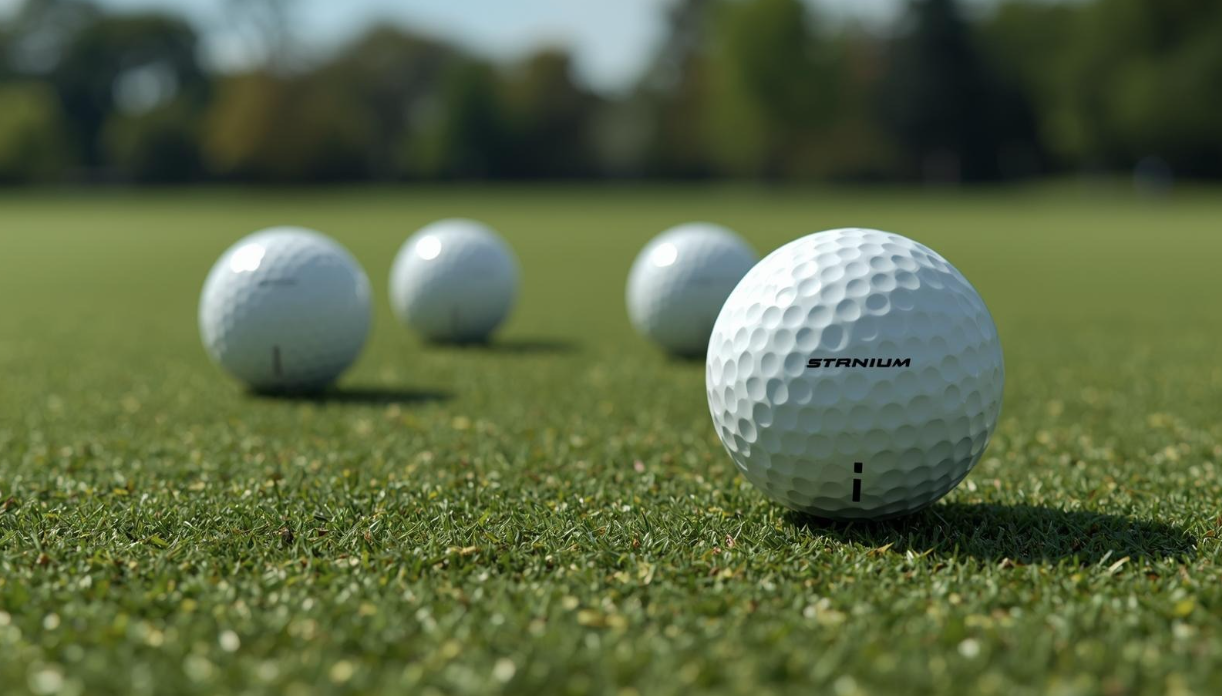
Golf balls play a critical role in your performance, especially as a senior golfer. The right golf ball can increase distance, improve control, and help you shoot lower scores. As swing speed changes with age, selecting a ball with lower compression and soft feel becomes essential. These balls launch higher and travel farther with less effort.

At SeniorGolfLife, we review the best golf balls for seniors to help you find the perfect match for your game. Whether you’re new to golf or a lifelong player, the right ball can make every round more enjoyable and effective.

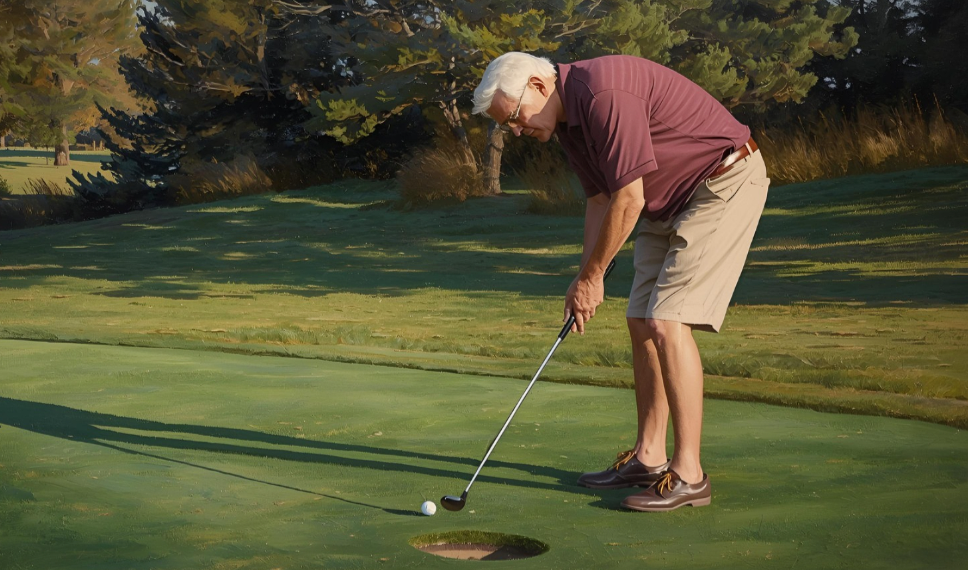
High spin golf balls can transform a senior player’s short game almost immediately. Instead of watching chips roll past the hole, you gain stopping power and control. As a result, proximity improves and putts become shorter.

For many older golfers, distance may slightly decline over time. However, scoring still depends heavily on wedge play and touch shots. Therefore, choosing the right ball becomes critical. The right model can help you attack pins confidently without overswinging.

Most importantly, improved spin gives you precision. When the ball reacts predictably, confidence increases. Consequently, your entire scoring game becomes more consistent.

Why Spin Matters More in the Senior Short Game

Spin controls trajectory and stopping power. Without enough spin, chips release too far. With controlled spin, the ball checks and settles closer to the hole.

High spin golf balls are engineered with softer covers. Because of that design, they grip the clubface longer at impact. That added friction creates more backspin, especially on wedges.

Senior golfers often rely on finesse rather than raw power. Therefore, enhanced spin supports that playing style. You do not need to swing harder. Instead, the ball does more of the work around the greens.

Additionally, predictable spin reduces anxiety on tight pin positions. You can land the ball confidently knowing it will react properly.

Understanding Golf Ball Construction

To appreciate the benefits of high spin golf balls, it helps to understand their construction.

Most premium models use:

  • A soft urethane cover
  • Multi-layer cores
  • Advanced dimple patterns

The urethane cover increases friction. As a result, wedge shots generate higher spin rates. Meanwhile, multi-layer designs balance short-game control with acceptable driver distance.

Although two-piece balls may offer durability, they often produce less greenside spin. Therefore, seniors seeking precision should consider tour-level or soft multi-layer options.

Because technology has improved, many modern balls now offer both feel and forgiveness.

How Softer Covers Improve Wedge Control

Feel matters in the short game. Softer covers provide a responsive sensation at impact. That feedback helps you judge distance more accurately.

High spin golf balls respond quickly off the clubface. Consequently, pitch shots check sooner and roll out less. This is especially helpful on fast greens.

Furthermore, softer balls reduce the need for aggressive swings. You can make a smooth motion and still achieve stopping power.

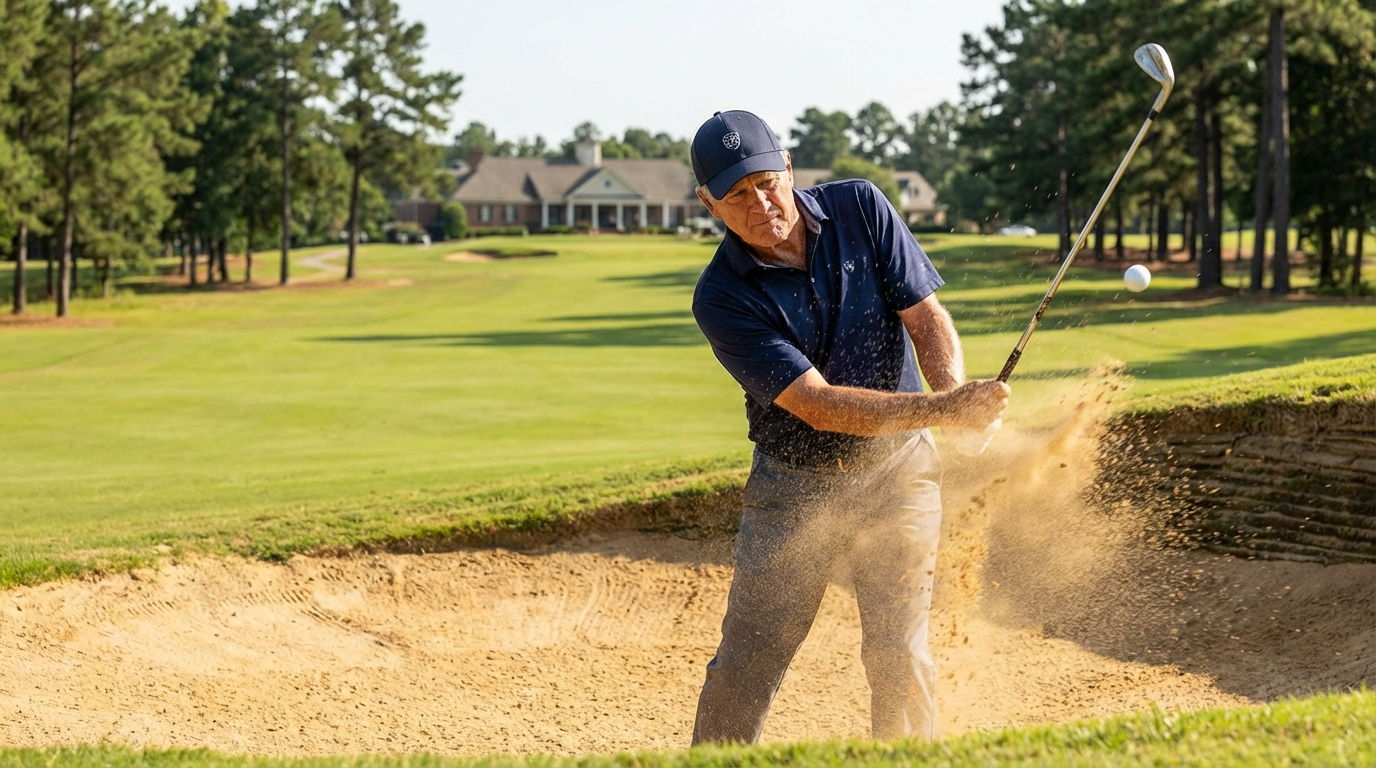
Many senior players notice immediate improvement in bunker shots as well. Because the ball grips the grooves effectively, explosion shots land softer and stay closer.

Balancing Spin and Distance for Seniors

Some golfers worry that extra spin reduces distance. While excessive driver spin can cost yards, modern designs manage this balance well.

High spin golf balls typically increase spin around the greens more than off the driver. Therefore, you gain control where it matters most without sacrificing too much distance.

For senior players, approach accuracy often outweighs maximum length. If you hit more greens and leave shorter putts, scores drop naturally.

Moreover, controlled driver spin can even improve fairway accuracy. When backspin stabilizes ball flight, dispersion tightens.

Short Game Precision: Where Scores Are Saved

Most strokes are lost within 100 yards. Therefore, the short game deserves serious attention.

High spin golf balls shine in the following areas:

  • Greenside chips
  • Pitch shots from 30–80 yards
  • Bunker play
  • Partial wedge approaches

Because these shots require touch, spin consistency is essential. When the ball reacts the same way each time, you develop trust.

Trust eliminates hesitation. As a result, tempo improves and contact becomes cleaner.

Additionally, seniors often play courses with firm greens. Extra stopping power becomes even more valuable in those conditions.

Feel and Feedback for Better Touch

Touch shots depend on feedback. If the ball feels firm and unresponsive, judging speed becomes harder.

High spin golf balls typically offer a softer feel. That softness enhances feedback off the putter and wedges. Consequently, distance control improves on both chips and putts.

Furthermore, better feel reduces deceleration. When you trust the ball’s response, you commit fully to the stroke.

Confidence, once built, carries into every round.

Course Conditions and Spin Performance

Not all courses are the same. Weather and turf conditions influence performance significantly.

On soft greens, moderate spin may be enough. However, on dry or windy days, extra spin becomes crucial.

High spin golf balls perform particularly well in firm conditions. Because they grab quickly, approach shots stop closer to the pitch mark.

Additionally, windy conditions can exaggerate rollout. Controlled spin helps counter that effect.

Senior golfers who travel or play various courses benefit from versatile spin characteristics.

Common Myths About High-Spin Models

Several misconceptions discourage golfers from trying premium balls.

First, some believe they are only for professionals. In reality, seniors often benefit more because precision matters greatly in their scoring strategy.

Second, players assume higher spin makes slices worse. However, side spin differences are minimal in modern designs. Swing path influences curvature far more than ball type.

Third, cost concerns arise. Although premium balls cost more, improved proximity and fewer strokes can offset that expense.

Therefore, testing a sleeve may reveal unexpected gains.

Testing and Finding the Right Fit

Every golfer’s swing is unique. Consequently, testing matters.

Start by comparing two or three high spin golf balls during short-game practice. Hit identical chip shots and observe rollout differences.

Pay attention to:

  • Check on first bounce
  • Overall rollout distance
  • Feel off the wedge
  • Confidence level

Additionally, test bunker shots and partial pitches. Notice how quickly the ball settles.

Because seniors often value consistency, choose the ball that delivers repeatable results.

Technique Still Matters

While equipment helps, technique remains essential.

Clean grooves enhance friction. Therefore, keep wedges well maintained.

Moreover, focus on crisp contact. Even the best high spin golf balls require proper strike to perform fully.

Practice landing spots rather than hole locations. When you control landing position, spin manages the rest.

Combining solid fundamentals with the right ball creates the best results.

Mental Confidence Around the Greens

Short-game anxiety affects many senior players. Fear of blading or chunking shots creates tension.

However, predictable performance reduces stress. High spin golf balls provide assurance that well-struck shots will stop appropriately.

As confidence grows, tempo smooths out. Consequently, mistakes decrease.

Confidence may be the most underrated advantage of improved spin technology.

Durability and Value Considerations

Urethane covers can scuff more easily than harder ionomer covers. However, durability has improved significantly in recent years.

Many high spin golf balls now resist wear while maintaining soft feel. Therefore, longevity concerns are less significant than before.

If you rotate balls regularly and inspect for damage, performance remains consistent.

Ultimately, investing in the right ball supports better scoring outcomes.

Final Thoughts on Short Game Mastery

Scoring well as a senior golfer depends heavily on control, not power. Therefore, selecting the proper ball becomes a strategic decision.

High spin golf balls enhance stopping power, improve touch, and build trust. Because of these benefits, seniors can attack flags more confidently and save strokes around the green.

While distance matters, proximity matters more. When chips check properly and pitches settle quickly, putting becomes easier.

Test different models, observe reactions, and choose the one that feels best. Over time, the right equipment combined with sound fundamentals will sharpen your precision.

Better control leads to lower scores. And lower scores make the game even more enjoyable.

FAQ

  1. Are softer golf balls always better for senior short games?
    Not always. However, softer urethane-covered balls typically provide more greenside spin and better feel.
  2. Do premium balls reduce driver distance?
    Modern designs balance spin carefully. Most seniors notice little to no significant distance loss.
  3. How can I test short-game performance effectively?
    Practice identical chip shots with different balls and compare rollout, stopping power, and feel.
  4. Will higher spin increase slices or hooks?
    Ball design has minimal effect on curvature compared to swing path and clubface angle.
  5. How often should I replace a scuffed ball?
    Replace it once the cover shows noticeable cuts or damage, as surface wear can reduce spin consistency.

Cold weather golf balls play an important role in maintaining performance when temperatures drop. For senior golfers, colder air often causes standard golf balls to feel firm and unresponsive. As a result, distance loss and poor feedback become common problems. However, the right golf ball can reduce those issues significantly.

Instead of forcing extra swing speed, smarter equipment choices make a bigger difference. Because cold weather golf balls stay flexible in low temperatures, they preserve feel and launch. In turn, confidence improves and performance stays steady.

Why Cold Temperatures Affect Golf Ball Performance

Temperature changes how golf balls behave. When air gets colder, internal materials stiffen and resist compression. Because of this, energy transfer becomes less efficient.

Senior golfers feel this change more clearly. Swing speeds are usually moderate. Therefore, standard golf balls fail to compress properly. Distance drops quickly.

Cold weather golf balls counteract that stiffness. As a result, shots launch more consistently and feel improves.

Why Seniors Benefit Most From Cold Weather Golf Balls

Every golfer notices cold conditions. Seniors, however, often experience the effects sooner.

Reduced flexibility and slower warmups make timing harder. In addition, cooler muscles limit speed. Because of these factors, consistency suffers.

Cold weather golf balls help restore balance. By compressing easily, they allow smoother swings. Consequently, rhythm returns and confidence improves.

Compression Becomes Critical in Cold Conditions

Compression matters in all seasons. During cold weather, it becomes essential.

High-compression balls already feel firm in warm air. In colder temperatures, they feel harsh and unresponsive. Therefore, distance loss becomes unavoidable.

Cold weather golf balls usually feature low-to-mid compression. As a result, energy transfer stays efficient and distance remains playable.

How Cold Weather Golf Balls Help Maintain Distance

Cold air is denser than warm air. Because of that, carry distance naturally decreases.

Cold weather golf balls reduce this penalty. Softer cores generate higher launch. Meanwhile, optimized dimple patterns improve airflow.

As a result, shots travel farther than they would with standard balls.

Feel and Feedback During Cold Rounds

Feel disappears quickly in cold conditions. Without feedback, distance control becomes guesswork.

Cold weather golf balls preserve feel through flexible covers. Consequently, impact sensation remains consistent.

Because feedback returns, short-game confidence improves.

Spin Control in Lower Temperatures

Cold conditions can alter spin behavior. Balls may react unpredictably on mishits.

Cold weather golf balls are designed for controlled spin. Therefore, side spin stays manageable off the tee. On approach shots, spin remains predictable.

As a result, shot planning becomes easier.

Why Dimple Design Matters More in Cold Air

Dense air exaggerates aerodynamic flaws. Poor dimple patterns become obvious quickly.

Cold weather golf balls use optimized dimple geometry. In turn, lift is maintained and drag is reduced.

For seniors, this stability leads to straighter shots.

Cold Weather Golf Balls vs Standard Golf Balls

Standard golf balls are built for average conditions. Cold weather exposes their weaknesses.

Cold weather golf balls remain flexible. Therefore, compression stays consistent. Performance becomes predictable.

After switching, many golfers notice improvement within a few holes.

Who Should Use Cold Weather Golf Balls

Year-round players benefit the most from seasonal adjustments. Senior golfers, in particular, gain consistency.

Moderate swing speeds combined with cold temperatures magnify stiffness issues. Because of this, cold weather golf balls provide immediate value.

Even skilled players appreciate the reliability.

Confidence Gains That Should Not Be Ignored

Cold weather often damages confidence. Missed shots create doubt. Tension follows.

Cold weather golf balls help rebuild trust. When shots respond correctly, swings relax. Ultimately, performance improves.

Choosing the Right Cold Weather Golf Ball

Selecting a cold weather golf ball does not need to feel complicated. Focus on compression and feel.

Look for low or mid compression designs. In addition, avoid tour-level balls built for high swing speeds.

Testing during a cold round usually reveals the difference.

Course Conditions and Seasonal Adjustments

Cold weather brings firmer fairways and slower greens. Rough also thickens.

Cold weather golf balls adapt well to these changes. Because feel improves, control becomes easier.

Seasonal golf feels more manageable.

Durability in Cold Temperatures

Some golf ball covers become brittle in cold weather. Cracking becomes a concern.

Cold weather golf balls use resilient materials. As a result, durability remains strong.

Reliability matters during winter play.

Affordable Options for Cold Weather Play

Specialized does not always mean expensive. Many cold weather golf balls remain budget-friendly.

Lower cost often reflects simpler construction. Therefore, value stays high.

Switching From Warm-Weather Golf Balls

Seasonal switching may feel unfamiliar at first. However, adaptation happens quickly.

Cold weather golf balls feel softer immediately. Consequently, distance stabilizes.

Returning to standard balls often feels unnecessary.

Playing Smarter as Conditions Change

Golf rewards adaptation over force. Cold weather reinforces that truth.

Cold weather golf balls support smarter play. They preserve rhythm. They reduce frustration.

As a result, seasonal golf becomes enjoyable again.

Conclusion

Cold weather golf balls help seniors maintain consistency when temperatures fall. By preserving feel, compression, and stable flight, they reduce distance loss and improve accuracy. Confidence stays intact. Enjoyment remains high. With the right golf ball, cold rounds become opportunities instead of obstacles.

FAQ

1. What makes a golf ball suitable for cold weather?
Cold weather golf balls use softer cores and more flexible covers. Because of this design, they compress better in low temperatures and maintain consistent feel.

2. Do cold weather golf balls help seniors maintain distance?
Yes, they do. By improving compression and launch efficiency, these balls reduce distance loss that normally occurs in colder air.

3. Should seniors switch golf balls when temperatures drop?
Absolutely. Switching helps preserve feel, control, and confidence during cold rounds. As a result, performance stays more predictable.

4. Are cold weather golf balls only useful in winter?
Not necessarily. While they perform best in cooler conditions, some seniors prefer them year-round for their softer feel.

5. Can cold weather golf balls improve accuracy for senior golfers?
They can. Because side spin stays more controlled in cold conditions, shots tend to fly straighter and stay more consistent.

Golf naturally changes over time. For many senior players, however, those changes become noticeable when drives stop behaving the way they once did. Shots drift more often, swing speed eases slightly, and contact feels less automatic. Even so, the desire to play well never fades.

Because of that reality, smarter equipment choices matter more than ever. Forgiving golf balls seniors use today are designed to support real swings rather than punish small mistakes. Instead of exaggerating flaws, these balls help stabilize flight and reduce side spin. As a result, accuracy improves and confidence slowly returns.

Rather than chasing raw power, many older golfers now prioritize control and consistency. That shift makes forgiving golf balls an essential part of the modern senior game.

Why Forgiving Golf Balls Matter for Seniors

As golfers age, efficiency gradually replaces speed. While experience improves tempo and course management, physical changes still influence ball performance. Unfortunately, many traditional golf balls remain built for fast swings and high compression.

Forgiving golf balls seniors trust are different. Because they compress more easily, energy transfer becomes smoother at moderate speeds. Therefore, shots launch higher with less effort. Direction also improves without conscious manipulation.

Most importantly, these designs limit side spin. Since side spin causes slices and hooks, reducing it leads directly to more fairways hit and fewer recovery shots.

How Forgiving Golf Balls Promote Straighter Shots

Side spin remains the primary reason golf balls veer offline. Even small mishits can create exaggerated curves when spin is excessive. For that reason, forgiving golf balls address this problem intentionally.

Lower-compression cores absorb impact more efficiently. Consequently, the ball leaves the clubface on a more stable trajectory. At the same time, modern dimple patterns help maintain balance during flight.

In addition, many forgiving golf balls seniors play are engineered to favor straight flight over maximum spin. That balance keeps shots playable even when contact is not perfect.

Compression Explained for Senior Swing Speeds

Compression may sound technical at first, yet it plays a simple role in performance. Lower-compression balls deform more easily at impact, which benefits golfers swinging at moderate speeds.

Forgiving golf balls seniors prefer typically feature low to mid compression. Because of this design, the ball responds better to smooth, rhythmic swings. Distance becomes easier to access, and feel improves noticeably.

By contrast, high-compression balls often feel firm and unresponsive. Since they require speed to activate properly, performance may drop for seniors. Choosing the right compression removes that barrier altogether.

Spin Control Without Losing Touch

Many golfers worry that forgiving golf balls sacrifice feel around the greens. Years ago, that concern was justified. Today, however, modern materials have changed the equation.

Current forgiving golf balls seniors use reduce spin off the tee while preserving touch on approach shots. Advanced ionomer covers now deliver durability alongside responsiveness.

As a result, approach shots still hold greens reasonably well. Putting feedback also remains consistent. Confidence builds through predictability rather than guesswork.

Distance Through Smarter Design

Distance still matters, even when accuracy becomes the priority. The key difference lies in how that distance is achieved.

Forgiving golf balls seniors choose emphasize efficient launch conditions. Higher launch angles and stable flight increase carry distance naturally. Because of that, swinging harder becomes unnecessary.

When carry improves, approach shots shorten. Consequently, scoring chances increase while fatigue decreases.

Why Dimple Design Matters More Than You Think

Dimple patterns often go unnoticed during play. Still, they strongly influence ball flight and stability.

Forgiving golf balls frequently feature optimized dimple geometry. These patterns reduce drag during ascent while stabilizing descent. Wind affects them less, and side movement becomes more predictable.

For seniors, that added stability translates directly into better accuracy. Shots tend to hold their intended line instead of drifting late.

Forgiving Golf Balls vs Tour Golf Balls

Tour-level golf balls reward precision and speed. At the same time, they punish mistakes.

Forgiving golf balls seniors rely on behave differently. Mishits remain playable, ball flight stays controlled, and performance becomes consistent across varying swings.

Because of this difference, many seniors notice immediate improvement after moving away from tour-focused models.

Who Benefits Most From Forgiving Golf Balls

Not all senior golfers play the same way. Still, forgiving golf balls help a wide range of players.

Golfers with moderate swing speeds benefit quickly. Players fighting a slice often see straighter drives. Even experienced seniors appreciate the added consistency.

Ultimately, anyone who values enjoyment over ego gains an advantage.

Confidence as a Performance Multiplier

Confidence influences every swing. When doubt creeps in, tension usually follows.

Forgiving golf balls quietly rebuild trust. Standing on the tee feels calmer. Swings become smoother. Results improve naturally.

That mental benefit often lowers scores more than any swing tip.

How Seniors Should Choose the Right Golf Ball

Choosing a forgiving golf ball does not need to feel overwhelming. Instead, focusing on practical features simplifies the process.

Look for low or mid compression. Seek designs marketed for straight flight or distance forgiveness. At the same time, avoid balls built solely for tour-level spin.

Testing also matters. Playing a casual round with a new ball reveals far more than marketing claims.

Course Conditions and Forgiving Golf Balls

Course conditions vary from day to day. Some fairways absorb shots, while others promote roll.

Forgiving golf balls seniors use adapt well to both scenarios. Their stable flight performs consistently across different surfaces.

Additionally, windy conditions favor forgiving designs. Reduced side spin helps shots stay manageable when weather interferes.

Durability and Value Considerations

Durability matters, especially for frequent players. Fortunately, forgiving golf balls are built to last.

Resilient covers resist scuffing, and performance stays stable longer. Therefore, overall value improves over time.

Many forgiving models also cost less than premium tour balls. Playing better while spending less always feels rewarding.

Transitioning to a Forgiving Golf Ball

Switching balls can feel uncomfortable at first. Still, adjustment usually happens quickly.

Forgiving golf balls seniors move to often feel better immediately. Flight improves, and confidence follows.

After several rounds, the difference becomes obvious.

Playing Smarter as the Game Evolves

Golf does not demand harder swings with age. Instead, it rewards thoughtful adaptation.

Forgiving golf balls align perfectly with that reality. They support rhythm, soften mistakes, and enhance consistency.

Staying in the fairway becomes easier. Enjoyment returns.

Conclusion

Forgiving golf balls seniors trust are built for real swings and real conditions. By reducing side spin, improving launch efficiency, and maintaining feel, these balls help older golfers stay in the fairway without extra effort. Accuracy improves, confidence grows, and most importantly, golf becomes enjoyable again.

FAQ

1. What makes a golf ball forgiving for seniors?
Forgiving golf balls reduce side spin, compress easily, and launch efficiently at moderate swing speeds.

2. Do forgiving golf balls reduce distance?
No. In many cases, distance improves due to better energy transfer and higher launch.

3. Are forgiving golf balls good for experienced senior golfers?
Yes. Many skilled seniors choose them for consistency, accuracy, and confidence.

4. Should seniors avoid tour golf balls?
Tour balls often exaggerate mishits at slower speeds, making forgiving options more practical.

5. How often should seniors replace golf balls?
Replace them when covers scuff or performance becomes inconsistent, regardless of brand.

There’s a moment every golfer recognizes. The strike feels pure, the sound is soft, and the ball launches exactly as imagined. For players choosing premium golf balls designed for senior golfers, that sensation often returns after years of fighting equipment that no longer fits their swing.

As we age, the game doesn’t disappear—it evolves. Swing speed may slow slightly, yet touch, awareness, and decision-making usually improve. The right golf ball should support that evolution, not work against it. That’s why more experienced players are turning to premium designs that emphasize feel, control, and efficiency.

Why the Right Golf Ball Matters More with Age

Senior golfers don’t lose skill. Instead, the margin for error narrows. Equipment becomes more influential because efficiency matters more than brute force.

Higher-quality golf balls are engineered to compress more easily and respond more consistently at moderate swing speeds. Because of that, shots feel smoother, launch more predictably, and land with greater control.

Instead of swinging harder, you swing smarter. The ball does the extra work.

Understanding Tour-Level Feel Without Tour Speed

“Tour-level feel” often sounds intimidating. However, it doesn’t mean the ball is built only for professionals.

In simple terms, it refers to feedback and responsiveness. A well-designed ball compresses cleanly, produces a muted sound, and reacts predictably on short shots.

For seniors, this translates into confidence. Chips come off the face smoothly. Putts roll with better pace control. Pitch shots behave as expected instead of bouncing unpredictably.

That reliability is what players notice first.

Compression and Energy Transfer for Senior Swings

Compression determines how efficiently a ball reacts at impact. Very firm balls require high swing speeds to perform well. That’s rarely ideal for older players.

Modern premium balls often sit in a low-to-mid compression range. This allows the core to compress fully without collapsing. As a result, energy transfer improves and distance becomes more consistent.

Even better, the feel remains soft without sacrificing structure through the strike.

Why Urethane Covers Improve Control

One of the clearest differences between standard and higher-end golf balls is the cover material.

Urethane covers create more friction at impact. That added friction increases spin on shorter shots and improves stopping power on the greens.

For senior golfers, this means fewer shots running past the hole and better touch around the putting surface. Control becomes easier to predict, which reduces tension and improves scoring chances.

Distance Without Forcing Extra Effort

Many players assume distance loss is inevitable. In reality, inefficient equipment often plays a larger role than age itself.

Premium ball designs maximize rebound efficiency. Instead of relying on hardness, they store energy in the core and release it smoothly through impact.

Additionally, refined dimple patterns reduce drag and stabilize ball flight. Shots launch higher and stay airborne longer, even without added swing speed.

The result is playable distance that feels effortless.

Several well-known models consistently perform well for experienced players.

Titleist Pro V1 remains a benchmark because of its balance of feel, spin, and flight stability. Despite its tour reputation, many seniors find it surprisingly manageable.
External reference: https://www.titleist.com/golf-balls

Bridgestone’s Tour B RX and RXS models are designed specifically for moderate swing speeds. They combine soft feel with controlled spin and stable launch.
External reference: https://www.bridgestonegolf.com

Callaway Chrome Soft is known for its exceptionally soft sensation and reliable greenside response, making it appealing to golfers who prioritize comfort.

TaylorMade TP5 offers multi-layer performance with a slightly firmer profile, which suits players who still generate solid speed but want better control.

Short Game Performance and Confidence

The short game often determines scoring more than driving distance.

High-quality golf balls respond more predictably on chips and pitches. The ball checks when expected and releases consistently when landing.

Putting also improves. Softer covers enhance feedback, making pace control easier. Many seniors report fewer three-putts after switching simply because distance judgment improves.

Confidence grows when outcomes become repeatable.

Playing Smarter, Not Harder

Golf strategy tends to improve with experience. Seniors often choose safer targets and manage risk more effectively.

Equipment should support that approach. Stable flight helps you commit to lines. Consistent feel encourages decisive swings.

If you’re comparing performance styles, you may also find value in our internal guide on best distance golf balls for senior golfers, which focuses more on carry and launch efficiency:
https://www.seniorgolflife.com/best-distance-golf-balls-for-seniors

Cost, Value, and Longevity

Higher-end golf balls cost more initially. However, many senior players lose fewer balls per round, which offsets the price difference.

Additionally, consistent performance often leads to better rounds and more enjoyment. That value isn’t always measured in dollars.

Viewed over time, quality equipment tends to justify itself.

How to Choose the Best Ball for Your Game

Start with honesty. Evaluate your swing speed, typical miss, and priorities.

If feel and control matter most, lean toward softer constructions. If distance consistency is the goal, choose designs with efficient cores and stable flight patterns.

Testing during actual rounds matters more than range sessions. Real conditions reveal true performance differences.

For further comparison, our article on best golf balls for senior long drives explores options designed specifically for carry and rollout:
https://www.seniorgolflife.com/best-golf-balls-for-senior-long-drives

Image Optimization for Senior Golf Ball Content

When adding images, use descriptive alt text such as:

  • soft compression golf balls for senior golfers
  • tour feel golf balls for slower swing speeds
  • urethane covered golf balls for experienced players

These variations reinforce relevance without overusing the focus keyphrase.

Final Thoughts

Golf doesn’t decline with age—it refines itself. The right golf ball can restore feel, improve consistency, and make every round more enjoyable.

When your equipment aligns with your swing and strategy, the game feels lighter and more rewarding. That’s the real advantage of choosing better-designed golf balls later in life.


FAQ

  1. Are premium golf balls suitable for slower swing speeds?
    Yes, many modern designs are optimized specifically for moderate swing speeds.
  2. Do softer golf balls reduce distance?
    Not necessarily. Efficient compression often improves distance consistency.
  3. Is urethane really better for senior golfers?
    Yes, it improves greenside control and feel without requiring extra speed.
  4. How many rounds should I test a new ball?
    At least two to three full rounds for accurate evaluation.
  5. Should seniors prioritize feel or distance?
    Most benefit from prioritizing feel and consistency, which often leads to better scoring.

Golf becomes smoother and far more enjoyable when each shot feels effortless. Many senior golfers notice that traditional, firmer balls don’t respond the way they once did. Contact may feel harsh. Distance might drop. Short-game sensitivity often fades. Soft compression golf balls offer a comfortable solution. These balls compress more easily at slower swing speeds, allowing seniors to experience better feel, clearer feedback, and improved control without extra effort.

A softer ball changes how energy transfers at impact. Seniors with moderate or slower swing speeds create more efficient launch conditions because the ball doesn’t require excessive force to compress. Softer compression also improves spin around the green, giving delicate chips and pitches more stopping power. Let’s explore how soft compression golf balls help seniors strengthen control, boost confidence, and enjoy a more responsive golf experience.

Why Seniors Benefit from Soft Compression Golf Balls

Aging naturally reduces swing speed. When speed drops, firmer balls fail to compress properly. Poor compression leads to weak launch, inconsistent feel, and reduced distance. Soft compression golf balls compensate for these changes by reacting better to the energy produced by senior golfers.

These balls offer key advantages, including:

Improved feedback during impact
More consistent launch
Gentler feel on mis-hits
Better greenside control
Higher spin at slower speeds
Reduced vibration for sensitive hands

Soft compression enhances both distance and control without requiring swing changes.

How Soft Compression Improves Feel and Feedback

Feel plays an important role in performance. Seniors often rely on tactile response to judge contact quality. Soft compression balls absorb impact gradually, creating a smoother sensation and clearer feedback.

This improved feel helps golfers identify:

Centered strikes
Gear-effect mishits
Face-angle issues
Distance control weaknesses

A ball that communicates more information empowers seniors to adjust confidently.

Easier Compression Means More Distance at Slower Swing Speeds

Distance doesn’t always require power. Soft compression golf balls help seniors increase distance by compressing efficiently with less force. This translates to:

Higher ball speed
More carry distance
Better energy transfer
Improved launch angles

Even moderate-speed swings produce strong flight because the ball responds immediately upon contact.

Enhanced Greenside Control for Precision Shots

Short-game performance often separates great rounds from frustrating ones. Softer compression balls enhance greenside control by creating additional spin at lower speeds. Seniors gain more stopping power on:

Pitches
Chips
Bump-and-run shots
Soft landings on firm greens

More spin and softer feel help seniors control distance better and increase confidence around the green.

Reduced Impact Vibration for Sensitive Hands and Wrists

Thinning skin, joint sensitivities, and mild arthritis can make firm balls uncomfortable. Soft compression balls reduce vibration at contact. Seniors experience less sting, especially on long irons and mishits.

A smoother sensation encourages more relaxed, natural swings. More comfort leads directly to better consistency.

Ideal Compression Levels for Senior Golfers

Not all soft balls feel the same. Compression ratings help seniors choose the best match for their swing. A typical senior-friendly range falls between:

30–55 compression for very slow speeds
55–70 compression for moderate speeds
70+ compression for seniors with faster swings

Lower compression balls feel extremely soft, while mid-range options balance feel with stability.

How Ball Construction Influences Senior Performance

Compression matters, but construction plays a major role too. Softer balls often feature:

Low-compression cores
Thin ionomer covers
High-flex casing layers
Optimized dimple patterns

Each component helps the ball launch higher, fly straighter, and land softer—three performance traits seniors value.

Higher Launch Helps Seniors Gain Extra Distance

Seniors often struggle with low launch due to reduced speed or shallow angle of attack. Soft compression golf balls generate easier elevation because they compress quickly and expand upward.

Higher launch promotes:

Longer carry
More predictable flight
Easier stopping power
Better performance in softer turf

This benefit alone often adds several yards without swing changes.

Straighter Shots Through Lower Side Spin

Many senior golfers fight slices or soft fades. Soft compression balls usually generate less sidespin, creating straighter flight patterns. This happens because the ball compresses properly, reducing the glancing effect that leads to curves.

Straighter shots mean:

More fairways
Better approach positions
Fewer lost balls
Lower stress during play

The right ball helps shape a more predictable round.

Which Types of Soft Balls Work Best for Seniors?

Senior golfers benefit from balls designed specifically for slow to moderate swing speeds. Popular options include:

Low-compression ionomer balls
Soft urethane-cover balls
Two-piece distance-and-feel models
Multilayer soft-core designs

Each category offers unique advantages depending on a golfer’s priorities.

How Weather Conditions Affect Soft Ball Performance

Cold air stiffens golf balls slightly. Soft compression balls handle temperature changes better than firm ones, giving seniors consistent feel in cool weather.

Warm conditions add even more softness, enhancing:

Greenside spin
Launch height
Touch around the green

This stability across conditions creates reliability year-round.

Practice Drills That Complement Soft Compression Balls

Using these balls enhances performance, but pairing them with smart practice drills helps seniors improve even more.

Helpful drills include:

Short-chip distance control
Putting-with-gate drill
Half-wedge contact work
Low-launch bump-and-run practice

Clearer feel from the ball increases the effectiveness of each drill.

How to Choose the Perfect Soft Compression Ball

Selecting the right ball depends on personal preference and playing style. Seniors should consider:

Feel
Swing speed
Desired height
Greenside spin level
Budget

Testing several models can reveal which one delivers the ideal combination of distance, control, and comfort.

Conclusion

Soft compression golf balls offer seniors a simple way to improve feel, increase distance, and sharpen short-game precision without changing their swing. The softer core compresses easily, allowing older golfers to unlock better launch conditions and more responsive feedback. Enhanced comfort helps prevent joint irritation, and increased spin supports better control around the green. With the right ball, seniors enjoy a smoother, more confidence-filled experience on every shot.

FAQ

  1. Why do seniors benefit from soft compression golf balls?
    These balls compress easily at slower swing speeds, improving feel, distance, and control.
  2. Do soft compression balls help with distance?
    Yes. Efficient compression boosts ball speed and promotes higher launch.
  3. Are soft compression balls better for arthritis?
    Absolutely. They reduce vibration and feel smoother on contact.
  4. Which compression level suits seniors best?
    Most seniors perform well with balls in the 30–70 compression range.
  5. Do these balls improve short-game control?
    Yes. Softer covers generate more spin and help produce gentler, more accurate shots.

Watching your ball disappear into the sky—or vanish in the rough—is frustrating for golfers of any skill level. That’s why high visibility golf balls have become essential tools for players who want clearer tracking, brighter flight, and easier locating on the course. These balls use bold colors, high-contrast covers, and unique patterns that make each shot easier to follow from impact to landing. High visibility golf balls offer confidence, speed up play, and reduce wasted strokes caused by lost balls.

Many golfers choose them for practical reasons, but they also improve performance by giving you clearer visual feedback. The mind stays calmer when you never wonder, “Where did that go?” When the ball is easy to track, focus stays sharp, tempo improves, and swings feel more relaxed. Let’s explore how these balls help every golfer—from beginners to seniors—experience smoother, more enjoyable rounds.

Why High Visibility Golf Balls Improve the Golf Experience

A traditional white ball can disappear against bright skies or blend into fall fairways. High visibility golf balls solve this by using neon pigments, matte finishes, and reactive coatings that stand out in any light. These balls enhance contrast during flight, making it easier to track the arc and spin.

Golfers benefiting most include:

Seniors who want clearer flight visibility.
Beginners learning to understand ball flight.
Players with vision limitations or glare sensitivity.
Golfers who play early mornings or late afternoons.

Tracking the ball from the moment it leaves the clubface provides instant feedback. You recognize shape, height, and direction more easily. That clarity helps you adjust your swing, refine aim, and make smarter decisions throughout the round.

Brighter Colors That Stand Out in All Conditions

High visibility golf balls use colors engineered for maximum contrast. These shades remain bright on sunny days, cloudy afternoons, and dim evening rounds. They also stand out beautifully against grass, sand, and water.

Popular high visibility colors include:

Yellow
Orange
Green
Pink
Red
Matte neon blends
Multi-colored patterns

Yellow remains the most widely chosen option because it offers strong contrast in nearly all conditions. Orange excels in low sunlight. Pink and green stand out especially well in longer grass. Red brings sharp contrast on overcast days and brownish winter turf.

Color isn’t just a preference—it’s a performance enhancer.

Matte Finishes That Reduce Glare

Some golfers struggle with shiny golf balls reflecting sunlight. Glare creates momentary blindness that makes tracking difficult. Matte-finish high visibility golf balls remove this distraction completely.

Matte covers absorb light instead of bouncing it back. This creates a smooth, glare-free surface that stays visible even when the ball rotates quickly. Matte finishes also maintain visibility in rain or fog when glossy balls become harder to track.

Golfers who experience eye strain often prefer matte balls because they feel easier on the eyes.

Advanced Patterns That Improve Spin Visibility

Many high visibility golf balls include multi-pattern prints that highlight spin. Designs like triple lines, tricolor panels, or geometric prints help golfers see how the ball rotates during flight.

Patterned balls assist with:

Reading your shot shape
Understanding sidespin
Improving putting alignment
Visualizing roll-out

These patterns act like swing feedback tools. When you see the pattern turn consistently, you know your stroke follows the intended path. Patterns improve putting performance by reinforcing straight roll and helping diagnose misses.

How High Visibility Golf Balls Improve Accuracy

Finding the ball faster saves strokes. But clear visibility also helps accuracy because golfers react better when they see the immediate result of each swing.

The brain processes visual data faster when the object stands out. That means your alignment, tempo, and rhythm adjust naturally after watching the ball flight. High visibility golf balls give you instant information:

Did you leave the face open?
Did your launch angle match your intent?
Did the ball curve right immediately?
Did you achieve the height you expected?

This quick feedback builds smarter decisions and supports a more confident swing.

High Visibility Balls for Slower Swing Speed Golfers

Seniors and moderate-swing golfers gain extra benefits from high visibility golf balls. When swing speed slows, ball flight sometimes appears lower or shorter. High visibility colors counteract that by accentuating the ball in the air.

Seniors also appreciate how bright balls stand out in rough or bushes. Less bending, less searching, less strain—more focus on the next shot.

High visibility designs pair well with:

Low compression balls
High-launch golf balls
Distance-focused models

These combinations make each shot easier to see, understand, and repeat.

How High Visibility Makes Putting and Chipping Easier

Visibility doesn’t matter only in full shots. It plays a huge role in the short game. Golfers need sharp feedback when rolling putts or hitting delicate chips.

High visibility balls help golfers:

See the roll pattern clearly
Identify off-center contact
Judge speed and break more accurately
Improve focus during setup

Even small differences in roll become easier to detect. That helps you refine touch and consistency.

Using a bright ball also enhances putting alignment when paired with contrasting stripes or alignment arrows. A straight roll becomes visually obvious.

Why Beginners Benefit from High Visibility Balls

New golfers often struggle with ball tracking. Losing sight of the ball causes confusion and discouragement. High visibility golf balls solve that problem immediately.

Beginners learn faster when they can see:

Launch angle
Curvature
Spin patterns
Landing zones

Mistakes become teachable moments rather than mysteries. High visibility designs build early confidence by keeping every shot in view from start to finish.

Reduced Ball Loss Saves Money and Time

Losing a ball doesn’t just hurt the scorecard—it hurts the wallet too. High visibility golf balls reduce the number of lost balls dramatically. Even if a shot veers offline, bright colors stand out against complex backgrounds.

Finding your ball quickly also keeps your pace of play smooth. Faster play means more enjoyable rounds and less frustration between shots.

You save money, time, and mental energy.

How to Choose the Best High Visibility Golf Balls

Selecting the right ball depends on visibility needs and swing characteristics. Consider:

Your preferred color under sunlight
Whether you prefer matte or glossy finish
Patterned vs. solid designs
Compression rating for your swing speed
Cover durability
Short-game feel

Some brighter colors work better on certain courses. Yellow shines on lush green courses. Orange excels on brown winter turf. Green stands out on sandy layouts.

Trying different colors helps you find your ideal match.

Balancing Visibility with Performance Features

High visibility does not replace performance—it enhances it. Many bright golf balls maintain the same technology as their white counterparts:

Multi-layer cores
Soft urethane covers
Speed-enhancing mantle layers
Aerodynamic dimples

Visibility adds confidence without sacrificing distance, spin, or control.

Choose a ball that gives both visibility and performance, not one or the other.

Conclusion

High visibility golf balls make every shot easier to track, no matter your skill level or swing speed. Bright colors, glare-free finishes, and bold patterns help golfers follow flight, improve accuracy, and build confidence. These balls reduce lost shots, create clearer feedback, and make the game more enjoyable from tee to green. When you see every shot clearly, your swing improves naturally. High visibility designs help you focus more, stress less, and play better.

FAQ

  1. Why should I use high visibility golf balls?
    They make tracking shots easier, improve focus, and reduce lost balls.
  2. Which color is easiest to see?
    Yellow works best in most conditions, though orange excels in low sunlight.
  3. Do high visibility golf balls perform differently?
    They perform the same as standard balls, with added tracking benefits.
  4. Are matte or glossy balls better for visibility?
    Matte balls reduce glare, while glossy options offer extra shine in sunlight.
  5. Do high visibility balls help seniors?
    Yes. They improve tracking, reduce strain, and help seniors maintain confidence during long shots.

Golf changes with age, but the joy of hitting long, straight shots never fades. Many senior golfers look for ways to recapture distance and add consistency without overhauling their swings. That’s where low spin golf balls for seniors make a remarkable difference. These balls help reduce unwanted curvature, promote straighter flight, and add yards through efficient energy transfer. They support smoother swings, protect accuracy, and bring confidence back to long shots.

As swing speed slows, players often generate less lift and less natural compression. At the same time, unwanted sidespin creeps in, causing slices or hooks that derail distance. Low spin golf balls solve these issues by stabilizing flight and maximizing rollout. Instead of fighting your swing, the ball works with it. Let’s explore why these balls create such meaningful improvements and how seniors can use them to play better golf with less effort.

Why Low Spin Golf Balls for Seniors Improve Performance Instantly

Spin influences almost every part of ball flight. Too much of it—especially sidespin—pushes shots off line and wastes distance. Seniors who struggle with slices or weak ball flight often benefit the most from low spin designs.

Low spin balls limit sidespin, which keeps shots straighter. When the ball doesn’t curve wildly, distance improves automatically because energy goes forward instead of sideways. Many seniors experience immediate gains in both distance and accuracy without changing mechanics.

Reduced backspin also encourages a more penetrating flight. Seniors who struggle to keep shots airborne might assume more spin is better, but excessive backspin often creates ballooning shots that fall short. Low spin balls maintain a stable flight that carries farther before rolling out.

These improvements help seniors feel more in control, even when swing speed decreases.

How Low Spin Increases Distance for Senior Golfers

Distance loss is one of the most common challenges seniors face. Slower swings, reduced flexibility, and less compression make it hard to match previous yardages. Low spin balls help regain some of that lost distance in several ways.

First, they reduce drag during flight. Lower spin creates a tighter, more efficient trajectory that resists wind and maintains energy. Shots stay on line and carry farther because lift and drag reach a better balance.

Second, these balls increase rollout. When greens and fairways are firm, low spin creates added forward momentum after landing. Many seniors pick up several extra yards simply through improved roll.

Third, low spin designs pair well with moderate swing speeds. The cores compress more easily, helping generate ball speed without requiring a forceful hit. Seniors appreciate this boost because it rewards smoother, effortless swings.

More distance without more effort is exactly what many aging golfers need.

Straighter Shots Through Reduced Sidespin

Slices and fades often worsen as golfers age. Limited mobility and slower rotation can leave the clubface open at impact, creating excess sidespin. Low spin golf balls reduce the severity of these misses.

With less sidespin, the ball flies straighter even when the strike isn’t perfect. Seniors who usually see left-to-right movement notice more neutral flight patterns. A ball that curves less stays closer to the fairway and makes approach shots easier.

Confidence improves when every shot doesn’t feel like a negotiation with a slice. Seniors often feel renewed comfort standing over the ball because they know minor mistakes won’t produce major misses.

Why Seniors Benefit from Softer Compression Cores

Most low spin golf balls designed for slower swing speeds include softer compression cores. These cores compress more easily, creating higher ball speed for moderate swings. Seniors don’t have to swing harder to activate the ball’s performance features.

Soft compression also enhances feel. Many older golfers appreciate the balance between distance and responsiveness. Shots feel cushioned rather than harsh, especially off the driver or long clubs.

A ball that complements your tempo and speed always produces better results than one built for high-speed players.

How Low Spin Helps in Windy Conditions

Wind exaggerates spin. High-spin shots balloon upward and drift sideways, causing unpredictable flight. Seniors often struggle more with wind because slower swings give the ball less stability.

Low spin designs resist these issues. A penetrating flight holds its line and cuts through breezes more effectively. Instead of ballooning, shots fly forward with a consistent arc.

Players who frequently face windy days appreciate how low spin balls maintain focus even in swirling conditions.

Better Control Off the Tee with Low Spin Golf Balls

Driving accuracy suffers when the ball spins too much. Seniors using high-spin balls often see drives peel off course or fall short. Low spin golf balls help keep tee shots centered.

By reducing gear effect and controlling unwanted curvature, these balls create a predictable shot shape. Even slight mishits remain playable. That reliability helps seniors attack fairways confidently.

A straighter tee game reduces stress. It also sets up better approaches, allowing seniors to score more consistently across all 18 holes.

Why Rollout Matters More for Senior Golfers

Rollout provides free distance. Seniors who struggle to carry the ball far enough find comfort in shots that run after landing. Low spin balls produce firm, forward-moving impact that generates more ground interaction.

This characteristic is especially helpful on tight par fours or long par fives. Instead of relying solely on carry, seniors benefit from efficient forward movement. The ball stays in play and covers more ground—even when airborne distance decreases with age.

Consistency grows when the ball behaves predictably after landing.

How Low Spin Balls Improve Fairway Wood and Hybrid Performance

Fairway woods and hybrids become essential clubs for seniors. They launch high, glide easily, and replace demanding long irons. Low spin golf balls pair beautifully with these clubs.

The reduced spin helps maintain consistent flight on longer shots. Even slight mis-hits stay straighter and more stable. Seniors see improved gapping between clubs because the flight becomes repeatable rather than unpredictable.

These benefits make long approach shots feel achievable again.

Short Game Performance with Low Spin Balls

A common concern is whether low spin balls reduce control around the green. Seniors often wonder if they’ll lose stopping power. Modern designs solve this issue by blending low driver spin with higher wedge spin.

Multi-layer constructions create separation between long-game stability and short-game finesse. Seniors enjoy straighter long shots and still get enough bite for lifts, bump-and-runs, and delicate pitches.

The balance makes low spin options ideal for players who want consistency from tee to green.

Choosing the Right Low Spin Golf Ball for Your Swing

Not all low spin balls are identical. Seniors should consider:

Ball compression — lower helps slower swings.
Cover softness — increases green-side control.
Trajectory — mid-launch helps balance carry and roll.
Feel — softer feel increases confidence at impact.

Trying a few models can reveal which ball responds best to your natural rhythm. The right match helps seniors maximize their abilities without compensating for equipment that demands power they no longer possess.

The Psychology of Straighter, Longer Shots

Performance isn’t only physical. When shots fly straighter and travel farther, seniors gain mental freedom. Doubt fades. Trust grows. Golf feels more inviting because every swing carries possibility rather than fear.

Low spin golf balls give seniors that emotional boost. Shots behave predictably. Misses become smaller. Expectations become realistic. Confidence spreads from the tee box into the fairway and onto the green.

Golf becomes enjoyable again because frustration decreases and clarity increases.

Conclusion

Low spin golf balls for seniors provide distance, accuracy, and reliable flight with less effort. These balls reduce unwanted sidespin, add penetration to drives, and promote rollout that boosts yardage. Seniors benefit from softer compression, straighter flight patterns, and improved wind performance. With the right low spin design, long shots feel easier, approaches become more manageable, and overall consistency improves. Seniors can regain confidence in their game simply by choosing a ball that supports their natural swing.

FAQ

  1. Why do low spin golf balls help seniors?
    They minimize slices, add rollout, and stabilize flight for slower swing speeds.
  2. Will I lose greenside control using a low spin ball?
    Modern designs offer low long-game spin with enough wedge spin for control.
  3. Do low spin balls increase distance?
    Yes. Reduced sidespin and improved rollout add meaningful yardage.
  4. Are low spin balls good for windy days?
    Absolutely. They cut through wind more effectively than high-spin balls.
  5. Should seniors choose soft compression models?
    Yes. Soft compression helps create higher ball speed with smoother swings.

Golf balls designed for seniors with slower swing speeds can completely transform the way the game feels, looks, and plays. As years pass, swing speeds naturally settle into a slower rhythm. Power may drop a little, launch angles shift, and the ball flight that once climbed easily might start dipping too soon. These changes can frustrate any golfer—especially someone who has loved the game for decades.

Yet modern golf ball technology has evolved beautifully. Manufacturers now design golf balls specifically for seniors who want more height, more distance, and more consistency without needing to increase effort. Instead of fighting physics, these golf balls work with it. Softer cores compress more easily. Thinner covers create smoother feel. Low spin designs straighten ball flight. Everything is engineered to bring back that satisfying sense of control and confidence.

Choosing the right golf ball can feel like flipping a switch. Suddenly, the ball launches higher. Carries farther. Rolls straighter. Feels softer. Performs more predictably. And the game becomes enjoyable again—not demanding or exhausting. This guide explores exactly why golf balls for seniors with slower swing speeds make such a dramatic difference and how to choose a model that matches a smooth, relaxed swing.

Why Golf Balls for Seniors Matter More Than Most Players Realize

Swing speed determines how much energy reaches the ball. When a ball is too firm for the swing producing the impact, it fails to compress. That lack of compression means energy leaks away. Shots fall short, sound harsh, and feel strangely inconsistent. The problem isn’t the swing—it’s the golf ball.

Golf balls for seniors with slower swing speeds solve this by compressing with ease. Even a gentle, rhythmic swing produces clean energy transfer. The ball springs off the face rather than wobbling or squashing inefficiently. This design helps bring ball speed back, even when swing speed isn’t what it used to be.

Another important factor is feel. Softer balls reduce impact vibration, making every strike feel smoother. That softer sensation helps encourage relaxed motion, which leads to better tempo and more efficient strikes. When a ball feels good, confidence climbs.

Golf balls built for seniors achieve something subtle yet powerful: they remove guesswork and add predictability. Each strike reveals a pattern. That pattern builds trust. And trust creates better golf.

How Golf Balls for Seniors with Slower Swing Speeds Improve Distance

Lower Compression Boosts Energy Transfer

Lower compression balls respond instantly to slower swings. The core compresses quickly, stores energy efficiently, and rebounds with speed. Golfers who feel like ball flight has lost its spark often regain lost distance simply by switching to a softer compression rating.

This is physics in action. When the ball bends more, energy returns more directly into forward momentum. That’s why senior golfers often gain 10–20 yards off the tee after switching to the correct ball.

Higher Launch Leads to Longer Carry

If a ball launches too low, it never reaches its maximum distance. Senior golfers often benefit from balls that help lift shots naturally. Softer balls and low spin designs increase launch angle, elevating the ball even on gentle strikes.

A higher flight creates more carry distance, especially on softer fairways or damp morning conditions. The ball stays in the air longer instead of dipping quickly.

Reduced Driver Spin Keeps the Ball Straight

Too much sidespin exaggerates slices and hooks. Golf balls for seniors reduce unwanted spin, helping shots stay centered and controlled. With straighter flight, more shots land in the fairway. And when tee shots stay playable, distance naturally increases throughout the round.

Greater accuracy equals more confidence. More confidence equals smoother swings. Smoother swings equal better compression. It becomes a positive cycle.

Softer Covers Enhance Short Game Touch

Distance is important, but so is control. Softer golf balls interact beautifully with wedges and putters. Greenside shots feel cleaner. Putts roll truer. Short game finesse improves, which reduces strokes even when approach shots miss the green.

A softer ball empowers more touch, helping senior golfers maintain scoring ability.

Key Features Seniors Should Look For in Golf Balls

Not all golf balls perform the same. Seniors should focus on designs that complement a smooth, slower tempo swing.

Low Compression (30–65 Range)

This is the most essential feature. A ball in this range delivers maximum responsiveness for moderate or lower swing speeds.

Soft Core Construction

A soft, responsive core makes the ball easier to compress, adding speed and height immediately.

Thin, Durable Cover

A quality cover enhances spin control, feel, and durability. Modern ionomer or urethane blends offer long-lasting performance while keeping impact soft.

Low to Mid Driver Spin

Lower spin off the tee keeps drives from veering dramatically sideways. A straighter drive always travels farther.

High Launch Design

Balls with high launch profiles help seniors who struggle to get traditional golf balls airborne consistently.

Consistent Dimple Patterns

Dimple design affects height, flight stability, and distance. A refined pattern keeps the ball from ballooning or knuckling.

Why Many Seniors Switch Immediately After Trying the Right Ball

The first round with a properly fitted golf ball often surprises golfers. For seniors with slower swing speeds, the change can feel dramatic:

The ball rises more quickly.
The strike feels softer.
Shots hold their line.
Distance increases without extra effort.
Confidence grows rapidly.

These noticeable improvements make switching feel automatic. When a golfer experiences instant performance gains, the motivation to stick with the new design becomes clear.

How Golf Balls for Seniors Improve Iron and Hybrid Performance

Low compression golf balls help senior golfers elevate long irons and hybrids with greater consistency. A softer core compresses even on gentle iron swings, sending the ball higher and farther. Slimmer covers also help produce cleaner contact around the greens.

Additionally, these balls reduce vibration on thin or heavy strikes. Less shock means more comfort. Comfort encourages a smooth tempo. A smooth tempo produces better contact. And better contact naturally leads to more distance.

What Slower Swing Speed Golfers Gain Around the Greens

Greenside performance influences scoring more than raw distance. Golf balls built for slower swing speeds often use softer covers that grip wedge grooves for better spin. While they may not spin as aggressively as tour balls, they provide controlled stopping power ideal for a senior-friendly short game.

Putting also becomes more predictable. A soft core helps reduce skidding, allowing putts to start on line and roll smoothly.

Signs a Senior Golfer Needs a Lower Compression Ball

Slower swing speeds create very specific symptoms when paired with the wrong ball. Common signs include:

Low, piercing drives that fall short
A harsh or firm feel at impact
Difficulty reaching long par-4s
Ball flight that refuses to rise
Short game shots that feel clunky
Frequent slices or directional issues
Distance that keeps decreasing despite solid contact

When these patterns appear, switching to golf balls designed for seniors typically solves multiple issues at once.

The Emotional Benefit of Using the Right Golf Ball

Golf is not just physical. It’s emotional. Confidence plays a huge role in shot quality, rhythm, and decision-making. A ball that feels supportive relieves pressure, allowing a golfer to relax and swing freely.

Relaxation often produces better contact. Better contact improves distance. Distance boosts confidence. And confidence is the invisible engine behind great golf.

Practical Tips to Maximize Low Compression Ball Performance

Even with the right ball, a few easy adjustments increase performance:

Adopt a smooth tempo instead of forcing speed.
Tee the ball a touch higher for improved launch.
Use the right driver loft—often 11°–14° for seniors.
Aim for a balanced finish to encourage better sequencing.
Relax hand pressure to promote natural compression.

These small changes create big results with the right golf ball.

Why Slower Swing Speeds Need a Different Golf Ball

A universal golf ball simply doesn’t exist. A golfer swinging at 115 mph needs a ball that resists compression. Meanwhile, a golfer at 70–85 mph requires a much softer core. Matching the ball to the swing is essential.

A slower swing speed can create tremendous performance when the ball compresses properly. Modern engineering helps maximize every ounce of available energy.

Conclusion

Golf balls for seniors with slower swing speeds offer a powerful blend of distance, height, control, and feel. A softer core, efficient compression, and strategic spin reduction return performance that may have seemed lost. The right ball can restore confidence, extend carry, and simplify the game without requiring swing changes or extra power. For any senior golfer wanting longer, smoother, and more enjoyable rounds, a properly designed golf ball may be one of the smartest upgrades available.

FAQ

1. Why are golf balls designed for seniors different?
They compress easily, providing better distance and higher launch for slower swing speeds.

2. Do low compression balls work for all seniors?
Yes, most seniors benefit from softer compression because it improves energy transfer.

3. Will these balls improve accuracy?
Lower driver spin promotes straighter shots, which often leads to better accuracy.

4. Are soft golf balls good around the green?
Most soft balls offer excellent feel and predictable roll, helping short game control.

5. What compression rating works best for seniors?
A compression range between 30 and 65 generally performs best for slower swing speeds.

Scroll to Top
Unlock Your Best Game Yet!

Subscribe To Our Weekly Newsletter

Get exclusive tips, course reviews, and gear insights delivered straight to your inbox. Sign up for our newsletter today!