
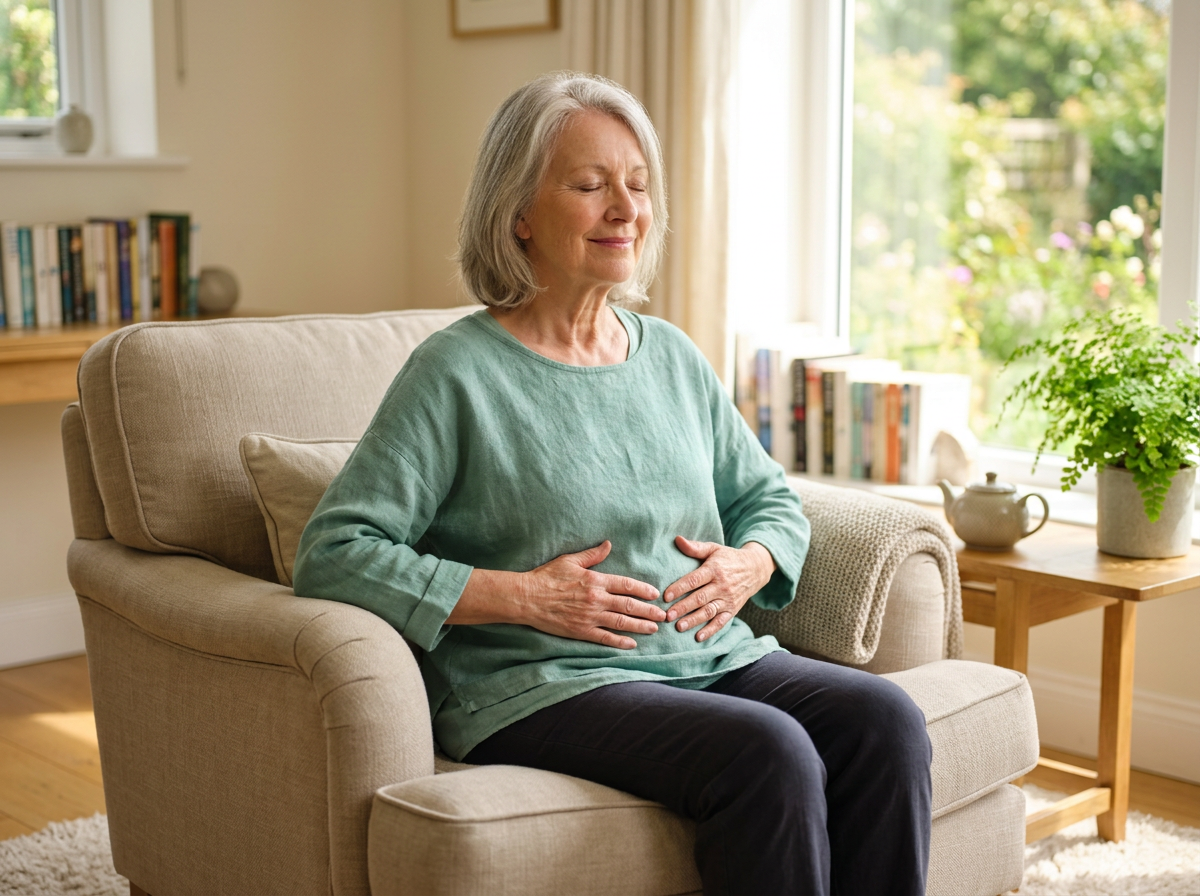
Breathing exercises for seniors can offer a simple way to improve focus, encourage relaxation, and create a calmer start to the day. As people age, stress, distractions, fatigue, and physical tension can affect how clearly they think and how comfortably they move. However, the breath is always available, and it can become a steady tool for resetting the mind. A short breathing practice may help seniors feel more centered before a busy morning, a walk, a golf round, a stretching routine, or a quiet evening. Because these exercises require no special equipment, they are easy to add to daily life.
Breathing may seem automatic, but the way a person breathes can affect how the body feels. Quick, shallow breathing can make tension feel stronger, especially during stressful moments. Slower and more controlled breathing, on the other hand, can encourage the body to settle. It may also help seniors pause before reacting, which supports better focus and more relaxed decision-making.
For senior golfers, walkers, hobbyists, caregivers, and active adults, better breathing habits can support both calm and clarity. A steady breath can help before a challenging shot, during a tense conversation, or after a long day. The goal is not to force the lungs or hold the breath too long. Instead, the goal is to breathe comfortably, notice the rhythm, and use that rhythm to create a sense of control.
Breathing exercises for seniors should always feel gentle. If dizziness, chest pain, shortness of breath, or discomfort occurs, the exercise should stop. Seniors with lung conditions, heart concerns, or medical restrictions should ask a qualified health professional before starting a new breathing routine. With a safe approach, breathing practice can become one of the easiest wellness habits to maintain.
Why Breathing Supports Focus and Relaxation
Breathing connects the body and mind in a direct way. When seniors slow down and pay attention to the breath, the mind has one simple task. This can reduce scattered thoughts and create a calmer mental state. Because focus often improves when distractions fade, breathing practice can be useful before tasks that need patience and attention.
Relaxation also improves when the breath becomes smoother. Many people hold tension in the shoulders, jaw, chest, or stomach without noticing it. A few slow breaths can reveal that tension and make it easier to release. As a result, the body may feel less guarded and more comfortable.
Breathing exercises for seniors can also help create a dependable routine. Routines matter because they reduce the need for willpower. If a senior practices calm breathing every morning or before bed, the body begins to recognize the pattern. Over time, the routine itself can become a cue to slow down.
Focus and relaxation are connected. A relaxed mind often focuses better because it is not fighting stress. Meanwhile, a focused mind may feel calmer because it is not jumping between worries. Breathing sits in the middle of both benefits. It gives seniors a practical way to return to the present moment.
This can be especially helpful during daily transitions. Before driving, exercising, playing golf, reading, praying, or resting, a short breathing practice can help reset attention. The routine does not need to be long. Even two or three minutes can feel useful when done consistently.
Start With Comfortable Belly Breathing
Belly breathing is one of the easiest ways to begin. Sit in a supportive chair with both feet on the floor. Rest one hand on the chest and the other on the stomach. Then inhale gently through the nose and notice whether the lower hand moves slightly outward. Exhale slowly and let the body soften.
The goal is not to force the belly out. Instead, allow the breath to move lower into the body. Many people breathe mostly from the upper chest when they feel tense. Belly breathing encourages a deeper, slower pattern that may feel more calming.
Try inhaling for a comfortable count of three and exhaling for a count of four. If that feels too long, shorten it. Comfort matters more than numbers. Seniors should never strain to take a large breath. A smaller, smoother breath is often better.
Breathing exercises for seniors work best when posture feels easy. Sit tall, but do not become stiff. Let the shoulders drop away from the ears. Keep the jaw relaxed. If the body feels supported, the breath usually becomes smoother.
This exercise can be used in the morning, before a nap, after a stressful moment, or before a round of golf. It also works well before stretching because it helps the body settle. Over time, belly breathing can become a quick reset whenever tension appears.
If lying down feels more comfortable, this exercise can also be done on a bed or mat. Place a pillow under the knees if needed. The same gentle rhythm applies.
Use Box Breathing for Steady Attention
Box breathing gives the mind a clear pattern to follow. It is called box breathing because the breath moves through four equal parts. Inhale, pause, exhale, and pause again. Each part forms one side of the box. This structure can help seniors focus because the counting keeps attention anchored.
Start with a simple count of three. Inhale for three, pause for three, exhale for three, and pause for three. If the pauses feel uncomfortable, skip them or shorten them. The exercise should feel steady, not stressful. After a few rounds, the mind may feel more organized.
This technique can be useful before activities that require patience. A senior golfer might use it before the first tee shot. Another person might use it before an appointment, a phone call, or a difficult task. The pattern gives the mind something calm to hold.
Breathing exercises for seniors should be adjusted to personal comfort. Some people enjoy equal counts, while others prefer a longer exhale. If holding the breath causes discomfort, do not hold it. Gentle breathing without pauses can still help.
Box breathing can also prevent rushing. When the mind feels busy, the body may speed up. Counting the breath encourages a slower pace. This can improve focus because attention shifts away from pressure and toward rhythm.
Practice for one to three minutes at first. Seniors can increase the time gradually if it feels pleasant. However, there is no need to turn it into a long session. A short practice done often can be very effective.
Try Longer Exhales to Ease Tension
Longer exhales are helpful when the body feels tight or alert. The inhale brings air in, while the exhale gives the body a chance to release. By making the exhale slightly longer than the inhale, seniors may encourage a calmer feeling.
Begin with a gentle inhale for three counts. Then exhale for five counts. Repeat this for several rounds. If counting feels distracting, simply think “easy in” and “slow out.” The main idea is to let the exhale feel unhurried.
This practice works well in stressful moments because it is simple. There is no complicated pattern to remember. The longer exhale helps shift attention away from worry and toward relaxation. It can also help seniors slow their speech, movements, or reactions.
Breathing exercises for seniors can support better emotional control when practiced regularly. For example, a golfer who misses a short putt may feel frustrated. A slow exhale before the next tee shot can prevent that frustration from carrying forward. The same idea applies outside golf. A slow exhale can help during traffic, waiting rooms, or tense conversations.
Keep the face and shoulders relaxed during this exercise. If the exhale becomes forced, shorten it. The breath should feel like a soft release, not like blowing out hard. Gentle control is the goal.
Longer exhales can also be useful before sleep. They help create a slower rhythm, especially when paired with a quiet room and relaxed posture. While they may not solve every sleep problem, they can support a calmer bedtime routine.
Add Breathing to Gentle Movement
Breathing can become even more useful when paired with light movement. Seniors can use the breath during shoulder rolls, neck turns, arm raises, or slow walking. This creates a connection between movement and awareness. It also helps the body move with less tension.
A simple option is to inhale while raising the arms gently and exhale while lowering them. Keep the range comfortable. The arms do not need to go overhead if that feels tight. Even a small movement can help link breath and motion.
Another option is seated side breathing. Sit tall, place one hand on the ribs, and breathe into the side of the body. Then exhale and soften. This can help seniors notice rib movement and release stiffness around the torso. Golfers may find this useful because the swing needs comfortable rotation.
Breathing exercises for seniors do not need to stay separate from exercise. They can support warm-ups, stretching, balance work, or cooldowns. When breathing stays smooth, movement often feels easier. If the breath becomes strained, that may be a sign to slow down.
Walking breath is also helpful. Inhale for two or three steps, then exhale for three or four steps. Keep the pace natural. This can make a walk feel more mindful and less rushed. It may also help seniors stay present while moving.
For safety, any breathing with movement should be done carefully. Use a chair, wall, or counter for support if balance is a concern. Calm breathing should never create unsteadiness.
Build a Simple Daily Breathing Routine
A daily routine makes breathing practice easier to maintain. Start with one short session each day. Morning is a good time because it sets a calm tone. Evening also works well because it can help the body unwind. The best time is the one you can repeat.
A simple five-minute routine can begin with one minute of quiet belly breathing. Then use two minutes of longer exhales. After that, try one minute of box breathing. Finish with one minute of natural breathing while noticing how the body feels. This sequence is easy to remember and gentle enough for most beginners.
Breathing exercises for seniors can also be used in shorter moments throughout the day. Before standing up from a chair, take one slow breath. Before eating, pause and breathe once. Before answering a stressful message, exhale slowly. These small moments help make calm breathing part of daily life.
Consistency matters more than perfection. Some days the mind will wander. That is normal. When attention drifts, simply return to the next breath. The practice is not about doing it perfectly. It is about noticing and returning.
Seniors may also enjoy pairing breathing with another habit. Practice after brushing teeth, before morning coffee, after a walk, or before bedtime. Linking the practice to something familiar makes it easier to remember.
Keep the routine comfortable. There is no need to use extreme breath holds or advanced techniques. Simple, steady breathing is enough to support focus and relaxation.
Use Breath Control During Stressful Moments
The most valuable breathing practice is the one you remember during stress. Seniors can use breath control when they feel rushed, frustrated, nervous, or distracted. A short pause can create space between the feeling and the reaction.
One useful method is the three-breath reset. Take one breath to notice the body. Take a second breath to relax the shoulders. Take a third breath to choose the next action. This can be done almost anywhere. It is short enough to use during a golf round, at home, or while waiting in line.
Breathing exercises for seniors can also help during performance moments. On the golf course, a player can breathe before a tee shot, after a bad bounce, or before a short putt. In daily life, the same habit can help before speaking, making a decision, or starting a task.
The breath should not become another source of pressure. If counting feels annoying during stress, forget the count. Simply exhale slowly and soften the grip in the hands. This can be enough to break the tension cycle.
It also helps to use a calming phrase. During the inhale, think “steady.” During the exhale, think “release.” Simple words give the mind a direction. Over time, the phrase and breath can work together as a quick reset.
Stress will still happen. However, breathing gives seniors a tool to respond with more control. That control can improve focus, patience, and confidence.
Final Thoughts on Calm, Focused Breathing
Breathing is one of the simplest tools seniors can use to support focus and relaxation. It does not require equipment, travel, or special clothing. It only requires a few quiet minutes and a willingness to practice. Over time, that small habit can become a helpful part of daily wellness.
Breathing exercises for seniors work best when they feel gentle and repeatable. Belly breathing, box breathing, longer exhales, and breath with movement all offer different benefits. Some help with calm. Others help with attention. Together, they create a flexible routine that can fit many moments.
The goal is not to control every thought or remove every feeling. Instead, the goal is to return to the present with more ease. A steady breath can help seniors slow down, soften tension, and focus on what matters next.
For active seniors, this can support golf, walking, stretching, hobbies, and daily tasks. For quieter days, it can support rest, patience, and emotional balance. The same breath that helps before a tee shot can also help before sleep or after a stressful moment.
Start small and keep the practice comfortable. A few minutes each day can build a reliable habit. With time, breathing exercises for seniors can become a natural way to stay sharp, relaxed, and steady through the day.
FAQ
1. How Often Should Older Adults Practice Breathing Techniques?
Older adults can practice once or twice a day for a few minutes. Short, consistent sessions are often easier to maintain than long routines.
2. What Is the Easiest Breathing Method for Beginners?
Belly breathing is usually the easiest place to start. It is simple, gentle, and can be done while sitting, standing, or lying down.
3. Can Breathing Help With Golf Focus?
Yes, slow breathing can help golfers reset before shots, manage frustration, and stay present during the round. It works best when paired with a simple routine.
4. Should Seniors Hold Their Breath During These Exercises?
Only if it feels comfortable and safe. If breath holds cause dizziness or discomfort, skip them and use slow inhales and longer exhales instead.
5. When Should Someone Stop a Breathing Exercise?
Stop if you feel dizzy, short of breath, lightheaded, or uncomfortable. Seniors with medical concerns should ask a qualified health professional for guidance.