
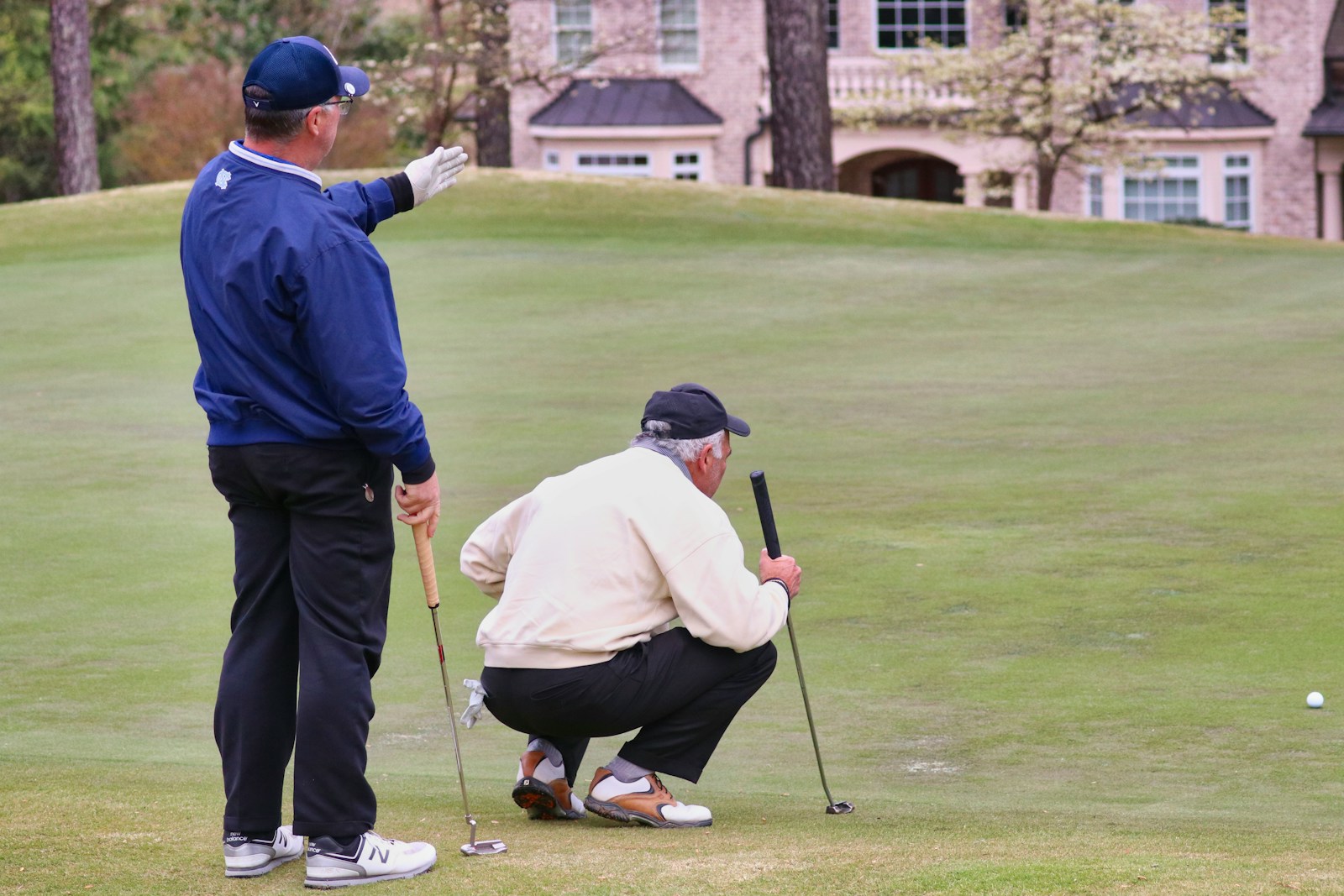
Golf, at its heart, is a game of integrity and adherence to rules. However, for senior golfers, understanding certain adaptations and focusing on efficient play can significantly enhance the experience. Knowing the specific senior golf rules and etiquette related to pace of play, as well as common modifications, ensures a more enjoyable and less stressful round for everyone involved. The goal is to maximize fun while respecting the traditions and flow of the game.
For many senior players, the game evolves. Physical changes might affect swing speed or endurance. Consequently, the way we approach the course and interpret regulations also adapts. This article will guide you through crucial aspects of maintaining a good pace, understanding beneficial rule modifications, and ultimately, enjoying your time on the links even more. We will explore practical strategies to keep your game flowing smoothly, alongside common allowances that cater specifically to the senior golfer.
Pace of Play: A Senior’s Guide to Efficient Golf
Pace of play is paramount in golf, and senior golfers can contribute greatly by being mindful of their speed. This doesn’t mean rushing, but rather being prepared for each shot. Indeed, efficient movement and thoughtful preparation are key to a pleasant round for everyone. Let’s delve into some practical tips:
- Walk Smart: If walking, plan your route to your ball efficiently. Move directly to your ball, considering your next shot. If riding, drop off your playing partners at their balls and then drive to yours. This simple act saves valuable time.
- Be Ready: While others are playing, plan your next shot. Choose your club, visualize the shot, and be ready to step up when it’s your turn. Being proactive significantly reduces delays.
- Limited Practice Swings: One or two focused practice swings are usually sufficient. Excessive practice swings consume time unnecessarily.
- Mark Scores Later: Fill out scorecards on the next tee box or after the round, not on the green. This keeps the greens clear for the group behind.
- Lost Ball Protocol: If you suspect a ball is lost, hit a provisional ball immediately to save time. Searching extensively for a lost ball can severely slow down play.
- Walk to the Next Tee Promptly: As soon as you finish a hole, gather your equipment and move to the next tee without delay. Socializing can happen once you are ready to tee off.
- Understand ‘Ready Golf’: In casual rounds, hitting when you are ready, rather than strictly adhering to ‘farthest away plays first,’ can dramatically improve pace. However, always ensure safety and communicate with your playing partners.
By implementing these strategies, senior golfers not only improve their own experience but also contribute positively to the overall flow of the course. A good pace benefits all players, making the game more accessible and enjoyable. Furthermore, a relaxed pace allows for better focus on your senior golf course strategy, which is essential for lasting enjoyment.
Common Rule Adaptations for Senior Golfers
While the core rules of golf apply to all, many clubs and associations offer local rules or optional adaptations that particularly benefit senior players. These are often designed to make the game more accessible and enjoyable without fundamentally altering its spirit. For example, the USGA provides guidance on how local rules can be adopted to suit various levels of play. Always check with the course pro shop or local rules board before your round for specific senior golf rules or adaptations in effect.
One common example is the use of forward tees, which shortens the course and often makes it more manageable for those with reduced distance. Playing from a shorter distance can significantly reduce frustration and keep the game moving. Another increasingly popular adaptation, often seen in casual play, is the ‘ready golf’ principle, where players hit when ready, rather than strictly adhering to ‘farthest away plays first.’ This helps to maintain momentum. Some local rules might also permit dropping a ball from a lateral hazard with less penalty, or allowing a pick-up after a certain number of strokes on a hole to maintain pace.
These thoughtful adjustments help ensure that senior golfers can continue to participate fully and enjoy the camaraderie and challenge of the game. Such adaptations acknowledge that physical capabilities may change with age, yet the desire to play remains strong. Understanding these modifications is part of knowing your senior golf rules. For instance, some clubs allow relief from divots in the fairway, treating them as ground under repair, which can be a significant advantage. This type of allowance helps maintain fair play and avoids unnecessarily penalizing good shots.
Exploring Specific Local Senior Golf Rules
Many golf courses have specific local senior golf rules tailored to their layout and clientele. It is always prudent to inquire about these before teeing off. For example, some courses implement a