
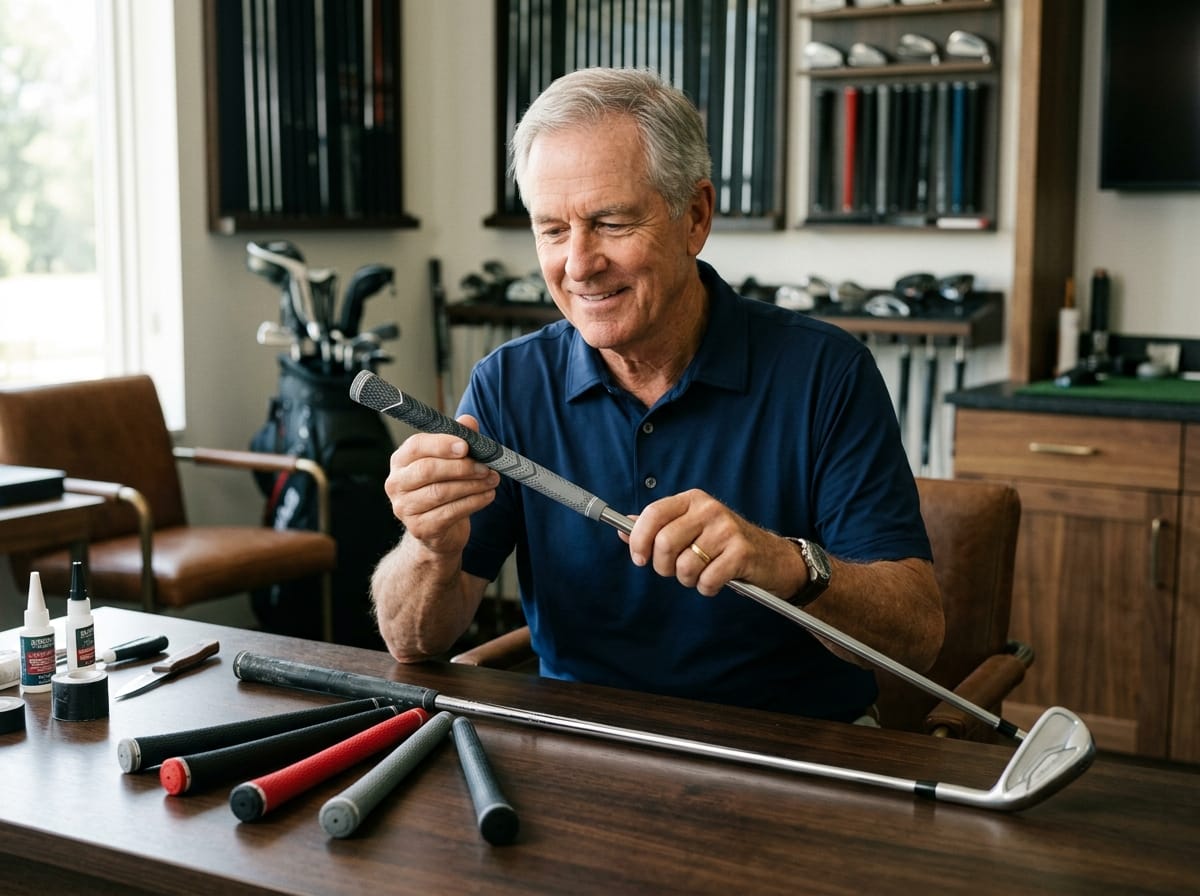
Replacement golf grips can make a major difference for senior golfers who want better feel, steadier control, and less hand pressure without changing their whole swing. As grips wear down, they lose tackiness, texture, and comfort. Because of that, golfers often squeeze the club harder than they realize. This extra tension can affect wrist movement, swing rhythm, shot control, and even comfort in the hands and forearms. For seniors, fresh grips can be one of the easiest equipment upgrades because they restore the connection between the hands and the club.
Many golfers focus on drivers, irons, shafts, and golf balls when they want better results. However, the grip is the only part of the club the hands actually touch. If it feels slick, thin, hard, or uncomfortable, the whole swing can suffer. A worn grip may cause the club to twist during the swing or feel unstable through impact. Over time, this can lead to inconsistent contact and reduced confidence.
Senior golfers may notice grip problems more quickly than younger players. Hands can become more sensitive with age, and some golfers deal with stiffness, arthritis, reduced grip strength, or joint discomfort. Therefore, the right grip should not only feel secure. It should also reduce strain and help the player hold the club with relaxed control. A comfortable grip allows the hands to stay involved without forcing tension into the swing.
Fresh grips can also make familiar clubs feel new again. Instead of replacing an entire set, seniors may regain confidence by upgrading the part of the club that affects feel most directly. This makes replacement golf grips a practical, affordable, and high-impact improvement for many older players.
Why Grip Condition Matters for Senior Golfers
A grip slowly wears down with every round, practice session, and cleaning. Dirt, sweat, sunscreen, rain, and natural oils from the hands can reduce its tackiness. At first, the change may feel minor. Eventually, the golfer starts gripping harder to keep control. This usually happens without much thought, but it can create several swing problems.
Tension is one of the biggest issues. When the hands squeeze too firmly, the arms and shoulders often tighten as well. This can reduce swing speed, limit release, and make tempo feel rushed. For senior golfers, that tension may also create discomfort after several holes. A fresh grip helps the club feel secure with less effort, which supports a smoother motion.
Control also depends on grip texture. If the grip surface is too smooth, the club may feel like it could slip during the backswing or through impact. That feeling can make a golfer steer the club instead of swinging freely. When the grip has proper traction, the hands can stay relaxed while still maintaining control.
Replacement golf grips can also support better consistency. A full set of matching grips gives each club a similar feel. If some grips are new and others are old, the hands may react differently from club to club. This can affect distance control, especially with wedges and irons. For seniors who value repeatable feel, matching grips across the set can make the game feel more predictable.
Comfort matters just as much as performance. A grip that feels too firm or too small may increase pressure in the fingers and palms. On the other hand, a grip that fits well can make the club easier to hold throughout the round.
Signs It Is Time to Replace Your Grips
Many golfers wait too long before replacing grips. Since wear happens gradually, the change can be hard to notice. However, there are clear signs that a grip is no longer helping the swing. If the grip feels shiny, slick, hard, cracked, or smooth, it may be time for a replacement.
Loss of tackiness is one of the most common signs. A good grip should feel secure without needing extra pressure. If you feel the need to squeeze harder, especially in warm or humid weather, the grip may be worn. Seniors should pay attention to this because extra hand pressure can affect comfort and control.
Visible damage is another clue. Cracks, splits, worn spots, and fading texture show that the grip material has broken down. Even if the club still looks fine, the grip may not perform well. The hands need feedback, and worn rubber or cord cannot provide the same response.
Shot inconsistency can also point to grip issues. If the club feels like it twists at impact, the ball may start offline more often. Of course, swing mechanics can cause this too. However, old grips can make the problem worse. Replacing them may not fix every miss, but it can remove one source of uncertainty.
Replacement golf grips are especially worth considering if your hands feel tired after a round. If you notice finger soreness, palm discomfort, or forearm tension, your grips may be forcing you to work too hard. A better size or softer material may help reduce that strain.
Weather performance is another factor. If your grips feel unreliable in rain, heat, or sweat, consider a model with stronger traction. Seniors who play often should choose grips that stay secure in the conditions they face most.
Choosing the Right Grip Size
Grip size has a major effect on comfort and control. A grip that is too small may encourage too much hand action, and it can make the golfer squeeze harder. A grip that is too large may reduce wrist movement and make release feel limited. The best size should allow the hands to hold the club naturally.
Standard grips work well for many players, but seniors may benefit from midsize or oversized grips. These larger options can reduce hand pressure because the fingers do not need to close as tightly. Golfers with arthritis, stiffness, or reduced grip strength often prefer this added comfort.
Still, bigger is not always better. Some golfers lose feel when the grip becomes too large. Others may find that it changes their shot shape. Therefore, it is smart to test one or two clubs before regripping the full set. A seven iron or wedge can be a good test club because it reveals both full-swing and control-shot feel.
Replacement golf grips should match both hand size and comfort needs. If your fingertips dig too deeply into the palm, the grip may be too small. If the club feels hard to release, it may be too large. A qualified club fitter can help measure your hand and suggest the right size.
Grip buildup is another option. Extra layers of tape under the grip can create a size between standard and midsize. This can help seniors who want more comfort without jumping to a much larger grip. Small changes can make a big difference in feel.
The putter grip deserves special attention. Many seniors prefer larger putter grips because they reduce wrist movement and promote a steadier stroke. However, the best putter grip still depends on personal feel and putting style.
Material, Texture, and Comfort
Grip material affects how the club feels during every swing. Rubber grips are common because they offer a good mix of comfort, durability, and traction. They can work well for many senior golfers, especially those who want a soft but secure feel.
Corded grips provide extra traction, especially in humid or wet conditions. However, they can feel firmer and rougher on the hands. Seniors with sensitive hands may find full-cord grips uncomfortable, while others may appreciate the secure hold. A hybrid grip with cord in one section and softer rubber in another can offer a useful balance.
Soft grips can reduce vibration and feel more comfortable during long rounds. This can help seniors who want less harsh feedback on mishits. However, very soft grips may wear faster and may not give enough texture for some players. The key is finding comfort without losing control.
Tacky grips are another good option. These grips feel slightly sticky and can help the club stay secure with less pressure. For senior golfers who struggle with grip strength, this can be helpful. Still, tacky grips need regular cleaning to keep their feel.
Replacement golf grips should also match local weather. In dry climates, softer rubber may work well. In hot or humid areas, stronger texture may be needed. Golfers who often play in rain should look for all-weather performance and reliable traction.
Texture should feel supportive, not distracting. A grip with too much roughness may irritate the hands. Meanwhile, a grip with too little texture may feel unstable. Seniors should choose a surface that allows light pressure and steady control.
How Fresh Grips Improve Feel and Control
Fresh grips restore feedback. When the grip feels clean and secure, the golfer can sense the clubhead more easily. This is especially important for seniors who rely on tempo and timing. A better connection to the club can make the swing feel more natural.
Control improves because the hands no longer need to fight the club. With old grips, the golfer may subconsciously squeeze harder to prevent slipping. With fresh grips, the hands can relax. This can free the wrists, improve release, and help the club return to the ball more consistently.
Replacement golf grips can also help with short-game touch. Wedges require feel, especially on chips, pitches, and partial shots. If the grip is slick or uncomfortable, delicate shots may feel uncertain. A fresh wedge grip can make distance control feel cleaner and more precise.
Putting can benefit too. A worn putter grip may feel smooth, hard, or unstable. Since putting depends on touch, that poor feel can affect confidence. A new putter grip can help the hands stay quieter and make the stroke feel more controlled.
Fresh grips may also reduce fatigue. When the club feels secure, the hands do not need to work as hard. Over 18 holes, this can matter. Senior golfers who play several times a week may notice less hand and forearm tension after switching to more comfortable grips.
A good grip does not create a perfect swing by itself. However, it can help the golfer make a better swing more often. That makes grip replacement a smart first step before more expensive equipment changes.
Should Seniors Regrip Every Club at Once?
Regripping the full set gives the most consistent feel. Every club will have the same texture, size, and response. For golfers who play often, this is usually the best choice. It removes variation and helps the hands trust each club.
However, some seniors may prefer to test a few grips first. This is especially smart when changing size or material. Try one grip on a favorite iron, one on a wedge, and perhaps one on the driver. After a few rounds, you can decide whether to regrip the full set.
Wedges and the driver often wear faster because they are used frequently in practice. The putter grip can also wear down, especially if it is used during long putting sessions. Even if you do not replace every grip immediately, these clubs should be checked often.
Replacement golf grips should be installed properly. Poor installation can create alignment problems, twisting, or uneven feel. Many golf shops can regrip clubs quickly, and the cost is usually reasonable compared with buying new clubs.
If you prefer a do-it-yourself approach, make sure you use the right tape, solvent, and technique. The grip must be aligned correctly and allowed to dry before play. Still, many seniors may find professional installation easier and more reliable.
Timing also matters. Regrip before an important event, golf trip, or league season. Do not wait until the grips are completely worn. Fresh grips may need a short adjustment period, so give yourself time to get comfortable.
Care Tips to Make Grips Last Longer
Regular cleaning helps grips last longer and perform better. Use mild soap, warm water, and a soft brush or cloth. Gently scrub the grip surface, rinse it, and dry it with a towel. This removes oils, dirt, and sweat that reduce tackiness.
Avoid harsh chemicals. Strong cleaners can damage grip material and shorten its life. Simple cleaning is usually enough. Seniors who play often may want to clean grips every few rounds, especially in warm or humid weather.
Storage also matters. Do not leave clubs in extreme heat for long periods. A hot car trunk can dry out grips and make them age faster. Store clubs in a cool, dry place when possible. This helps the grips keep their shape and texture.
Gloves can affect grip life too. A worn or dirty glove can transfer grime to the grip. Replacing gloves when needed helps maintain better contact. It can also improve hand comfort during play.
Replacement golf grips will still wear over time, even with good care. Frequent players may need new grips once a year or more. Occasional players may go longer, but they should still check for slickness, cracking, or hardening.
Cleaning also helps you notice wear earlier. When you handle each club, you can feel which grips need attention. This simple habit keeps your equipment ready and prevents sudden problems during a round.
Final Thoughts on Restoring Feel Effortlessly
Grips may seem like a small detail, but they influence every swing. For senior golfers, the right grip can restore comfort, reduce hand tension, and improve control without requiring a major swing change. That makes grip replacement one of the simplest ways to refresh a set of clubs.
Replacement golf grips can help older players hold the club with less effort. They can also improve confidence in wet weather, support better short-game feel, and reduce the need to squeeze too tightly. When the hands feel secure, the swing can feel smoother and more relaxed.
The best grip depends on size, material, texture, and comfort. Some seniors prefer soft midsize grips, while others need firmer traction or all-weather control. Testing a few options before changing the full set can make the choice easier.
Do not wait until grips are cracked, shiny, or slippery. If the club no longer feels secure, it may be time to regrip. Fresh grips can make familiar clubs feel more reliable and enjoyable again.
Senior golfers do not always need new clubs to play better. Sometimes they simply need a better connection to the clubs they already trust. With the right grip, feel and control can return naturally, making every round more comfortable and confident.
FAQ
1. How Often Should Senior Golfers Replace Their Grips?
Many senior golfers should replace grips about once a year if they play often. However, golfers who play less may only need replacement when grips feel slick, hard, or worn.
2. Are Midsize Grips Better for Older Golfers?
Midsize grips can help older golfers reduce hand pressure and improve comfort. They may be especially useful for players with arthritis, stiffness, or weaker grip strength.
3. What Grip Material Is Best for Seniors?
Soft rubber or tacky grips often work well for seniors because they provide comfort and secure feel. However, golfers in humid or wet conditions may prefer more textured grips.
4. Can New Grips Improve My Swing?
New grips can improve feel, control, and confidence. They will not fix every swing issue, but they can reduce tension and help the club feel more stable.
5. Should I Replace My Putter Grip Too?
Yes, the putter grip should be checked regularly. A worn putter grip can affect feel and distance control, so replacing it may help create a steadier stroke.