
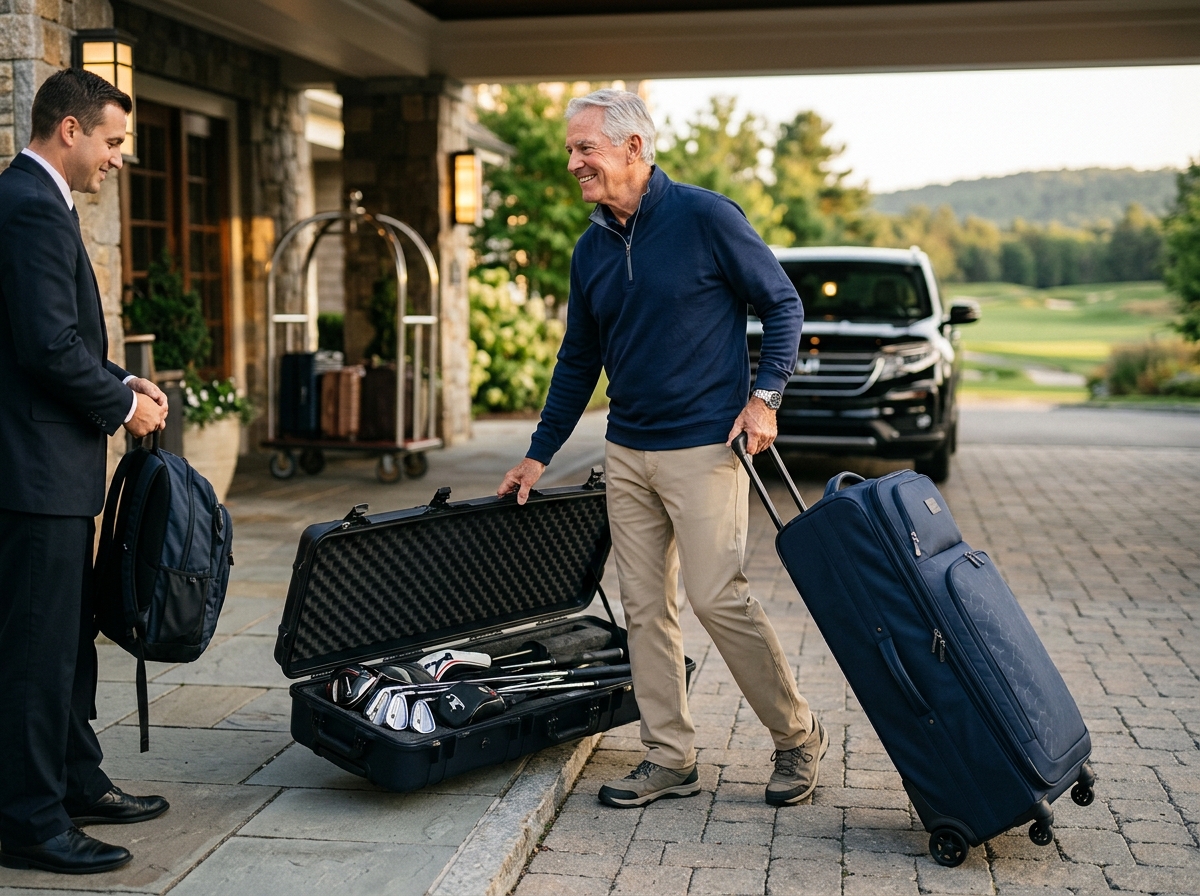
Golf travel bags are essential for senior golfers who want to protect their clubs while making every trip easier, safer, and more comfortable. Whether you are flying to a golf resort, taking a weekend road trip, or joining friends for a destination tournament, the right travel bag can reduce stress before the first tee time. Senior golfers often need more than basic club protection. They also need smooth wheels, strong handles, lighter materials, smart padding, and a design that does not make lifting or pulling feel difficult. Because travel can already be tiring, a well-chosen bag should make the journey feel simpler from home to hotel to course.
A good travel bag does more than cover your clubs. It helps prevent damage during flights, car rides, shuttle transfers, and hotel handling. It also keeps your golf gear organized, so you are not searching through loose pockets or worrying about bent shafts. For seniors, this matters because awkward lifting and dragging can put pressure on the back, shoulders, wrists, and knees. Therefore, comfort and handling should be just as important as durability.
Many golfers only think about club protection after something goes wrong. However, broken shafts, dented clubheads, and torn bags can quickly turn an exciting golf trip into an expensive problem. A proper travel cover gives your equipment a safer structure during transport. More importantly, it gives you peace of mind. When your clubs are packed securely, you can focus more on enjoying the trip and less on what may happen in baggage handling.
Choosing a Bag That Matches Your Travel Style
The best choice depends on how you travel. Some senior golfers need a strong bag for frequent flights. Others need a lighter cover for road trips and occasional vacations. A golfer who uses a cart bag may need more interior space, while someone with a stand bag may prefer a compact option. By matching the bag to your travel style, you can avoid buying something too bulky, too heavy, or too limited.
Senior golfers should think about the full journey before choosing a travel cover. You may need to move the bag from your home to the car, from the car to the airport, from baggage claim to a shuttle, and from the hotel to the course. Each step becomes easier when the bag rolls smoothly and feels balanced. This is why the right design can make travel feel less stressful from the start.
Why Senior Golfers Need Smarter Travel Protection
Golf trips should feel enjoyable, not physically draining. Yet many travel covers can feel awkward if they are too heavy or poorly balanced. Senior golfers may find it harder to lift a full travel bag into a car trunk, pull it through an airport, or remove it from a luggage carousel. Because of that, the best designs make movement easier before they add extra features.
Golf travel bags should protect clubs from impact, pressure, and shifting. During travel, clubs can move inside the cover if they are not secured. This movement may damage shafts or clubheads, especially near the top of the bag. Strong internal straps help keep the golf bag in place. Extra padding around the clubhead area also adds protection where it matters most.
Handles, Wheels, and Balance Matter
A senior-friendly travel bag should make handling feel natural. Multiple grab handles allow you to lift from different angles. This is helpful when loading the bag into a vehicle or moving it from one surface to another. A padded handle near the middle can reduce twisting, while a bottom handle can help with controlled lifting.
Smooth wheels are another key feature. Poor wheels can make the bag feel heavier than it really is. They may catch on cracks, airport floors, parking lots, or uneven paths. In contrast, strong wheels help the bag roll with less effort. This is especially useful for seniors who want to avoid pulling strain through the arm or shoulder.
Protection should not come at the cost of convenience. A hard case may offer excellent impact resistance, but it can be bulky and hard to store. A soft padded cover may be easier to fold and place in a closet, but it needs good structure and padding. For many senior golfers, the best option sits between these extremes. It should be protective enough for real travel while still being manageable.
Key Features That Make Travel Easier
The first feature to consider is weight. Golf travel bags can become heavy once a full golf bag, shoes, balls, rain gear, and accessories are packed inside. A lighter travel cover can make the entire process easier. However, it should still feel strong enough to handle regular use. Thin fabric and weak zippers may save weight, but they can fail at the worst time.
Padding is just as important. The top section needs the most protection because drivers, fairway woods, and hybrids are usually the longest clubs. If the bag falls or gets stacked with other luggage, this area takes the most risk. Thick top padding can help absorb impact. Many golfers also add a stiff arm or support rod for extra safety. This simple tool extends beyond the longest club and helps take pressure before the club does.
Wheel Quality, Pockets, and Zippers
The wheel system can make or break the experience. Inline skate-style wheels often roll smoothly and last longer than small plastic wheels. Some premium bags include support legs or glide systems that reduce the need to tilt the bag. This can be very helpful for seniors because less tilting means less effort. If you travel often, a high-quality wheel design is worth serious consideration.
Storage pockets are useful, but they should not encourage overpacking. A few pockets for shoes, gloves, towels, or light apparel can be helpful. However, stuffing too many extras into the bag can make it harder to lift and may increase travel weight. Senior golfers should use storage wisely and keep the bag balanced.
Durable zippers are also important. A zipper that sticks, separates, or feels weak can create problems during travel. Look for large, smooth zippers with strong pulls. A wide opening is helpful because it makes packing easier. You should not have to fight the bag every time you slide your clubs inside.
Material quality matters too. Reinforced fabric, strong stitching, and a sturdy base help the bag survive repeated trips. If the bottom drags or the corners wear quickly, the bag may not last long. A senior golfer who travels only once a year may not need a tour-level cover, but the bag should still be built well enough to protect valuable clubs.
Soft Travel Bags, Hard Cases, and Hybrid Choices
Soft travel covers are popular because they are easier to store and usually lighter than hard cases. They often fold down when not in use, which helps golfers with limited storage space. A padded soft cover can work very well for road trips, short flights, and golfers who want a practical balance between protection and convenience.
Hard cases offer stronger outer protection. They can be a good choice for frequent flyers, international trips, or golfers with expensive custom-fit clubs. However, they are usually heavier and more difficult to fit into smaller rental cars. Seniors should think carefully before choosing a hard case because the added protection may come with added lifting effort.
Hybrid bags offer a useful middle ground. These designs may have soft sides with reinforced tops, firm bases, or stronger structural panels. They give more protection than a basic soft cover without becoming as bulky as a full hard shell. For many senior golfers, this style feels practical because it protects key areas while staying easier to handle.
Match the Bag to Your Real Trip Needs
Golf travel bags should match the way you actually travel. If you mostly drive to nearby golf resorts, a lightweight padded soft cover may be enough. If you fly several times a year, you may want stronger padding, better wheels, and more structure. For long trips with several transfers, a premium model may save stress and protect your investment.
Size is another important choice. A travel bag should fit your golf bag without being overly loose. Too much extra space can allow movement during transport. On the other hand, a tight fit makes packing frustrating and may strain zippers. Before buying, check the dimensions and compare them with your current golf bag and longest club.
Seniors should also consider storage at home. A large hard case may protect clubs well, but it can be annoying if there is nowhere to keep it. A foldable soft cover may be easier to manage between trips. The best bag should serve you during travel and not become a problem afterward.
How to Pack Clubs for Safe Transport
Even the best travel bag works better when packed correctly. Start by cleaning your clubs and removing unnecessary items from your golf bag. Extra balls, old gloves, loose tees, and heavy accessories can add weight quickly. A lighter setup is easier to move and less stressful to handle.
Place headcovers on woods, hybrids, and putters. These clubs are more vulnerable because of their shape and length. If your driver has an adjustable head, you may choose to remove it and pack it safely in a protected pocket. This can reduce the risk of damage during rough handling.
Use a stiff arm or support rod if you are flying. It gives the top of the bag added protection and can help prevent pressure from reaching your clubs. Then wrap towels or soft clothing around the clubheads for extra cushioning. This adds protection without needing special equipment.
Keep the Load Secure and Easy to Move
Secure the golf bag inside the travel cover with internal straps. This step is important because movement creates risk. The bag should feel snug and stable. If your travel cover has external compression straps, use them to reduce shifting and keep the shape compact.
Golf travel bags can hold shoes and apparel, but seniors should avoid overloading them. Heavy packing makes the bag harder to lift and may create weight issues during flights. Keep the load simple and balanced. If something does not need to travel with the clubs, place it in regular luggage instead.
Add a clear luggage tag with your name, phone number, and email address. A bright strap or unique marker can also help you find the bag faster at baggage claim. Many travel covers look similar, especially in black. A small visual detail can save time and confusion.
Before leaving home, test the packed bag. Roll it across the floor, lift it slightly, and check whether it feels balanced. If it feels difficult at home, it will feel harder at the airport or hotel. Make adjustments before travel day, not while rushing.
Best Buying Tips for Senior Golfers
When choosing golf travel bags, seniors should think about the full journey. Consider how far you need to move the bag, whether you will lift it alone, and how often you travel. A bag that looks impressive online may not be ideal if it feels too heavy or awkward in real life.
Read reviews that mention wheel quality, padding, zipper strength, and ease of handling. Many product descriptions focus on materials and size, but user feedback often reveals how the bag performs during actual travel. Pay attention to comments from golfers who fly often or use similar golf bags.
Look for a warranty when possible. A strong warranty can show that the brand stands behind its product. Since travel bags take abuse, good support matters. Zippers, wheels, handles, and seams are the areas most likely to wear over time.
Avoid Buying Only by Price
Avoid choosing only by price. A very cheap travel cover may seem like a bargain, but it may not protect clubs well. At the same time, the most expensive bag is not always necessary. The right value comes from matching features to your needs. If you travel once a year by car, you may not need a premium flight cover. If you fly often, spending more can be worth it.
Golf travel bags should also fit your strength and comfort level. If you have back, shoulder, or balance concerns, prioritize smooth rolling and multiple handles. If you have limited storage, choose a foldable design. If you own a large cart bag, check size carefully before ordering.
Think about the weather too. A water-resistant outer layer can help during rainy transfers or wet parking lots. While no travel bag should be left exposed for long periods, moisture protection can still be useful. Wet fabric, damp grips, and soaked pockets can make arrival less pleasant.
Finally, choose a design you can identify quickly. A simple name tag, colored strap, or unique luggage marker helps prevent mix-ups. This is especially useful during group golf trips, where several players may own similar travel covers.
Final Thoughts on Easy and Safe Golf Travel
The right travel bag can make senior golf trips smoother from start to finish. It protects valuable clubs, reduces handling stress, and keeps gear organized. More importantly, it helps golfers travel with less worry. When your equipment feels secure, the trip becomes more enjoyable.
Golf travel bags should be judged by protection, weight, wheels, handles, padding, and storage. Seniors should also consider how the bag feels when fully packed. A protective design is only helpful if it remains manageable during real travel. Comfort, balance, and ease of movement matter just as much as durability.
A soft padded cover may suit golfers who want lighter handling and easier storage. A hard case may be better for frequent flyers who want maximum protection. A hybrid design can offer a strong middle option. The best choice depends on your travel habits, club value, storage space, and physical comfort.
Travel With Less Stress and More Confidence
Before buying, think beyond the first trip. Choose a bag that can serve you for several seasons. Pack it carefully, avoid overloading it, and check the wheels and zippers before each journey. These small habits can prevent problems and extend the life of the bag.
Golf should feel exciting when you travel, not stressful. With the right cover, senior golfers can move through airports, hotels, resorts, and parking lots with more confidence. A well-designed bag protects both your clubs and your energy, helping every golf getaway begin on the right note.
FAQ
1. What Type of Travel Cover Is Best for Older Golfers?
A lightweight padded soft cover with smooth wheels is often best for older golfers. It offers useful protection while staying easier to lift, roll, and store.
2. Is a Hard Golf Case Worth It for Senior Players?
A hard case can be worth it for frequent flyers or golfers with expensive clubs. However, it may feel bulky and heavy, so seniors should consider handling and storage before buying.
3. How Can I Make My Clubs Safer During Flights?
Use headcovers, add a stiff arm, wrap towels around clubheads, and secure internal straps. These steps help reduce movement and protect clubs during transport.
4. Should I Pack Shoes and Clothes Inside My Travel Cover?
You can pack light items inside, but avoid overloading the bag. Extra weight can make the cover harder to move and may cause airline weight issues.
5. What Features Matter Most for Senior Golf Trips?
The most important features are smooth wheels, strong handles, top padding, durable zippers, manageable weight, and enough space for your regular golf bag.