
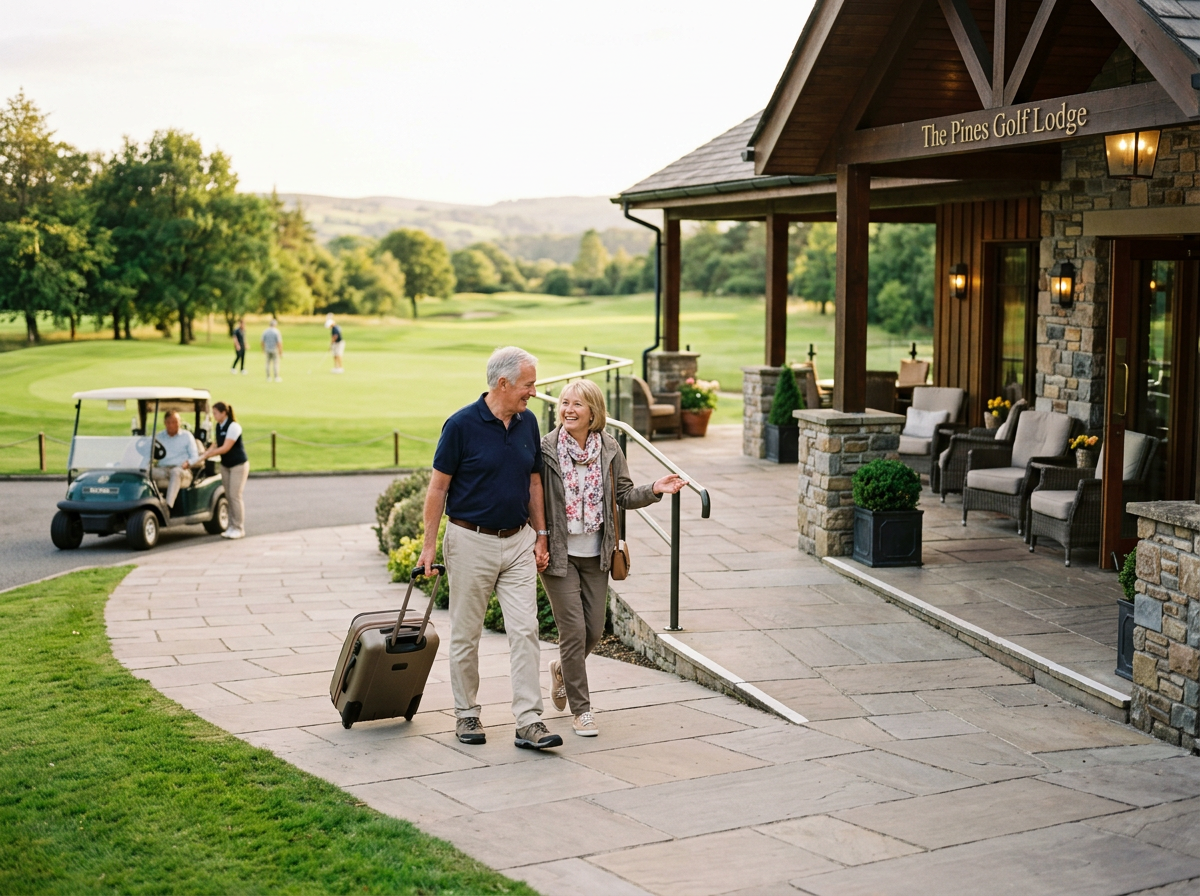
Accessible golf lodges can turn a senior golf getaway into a smoother, more relaxing experience from arrival to checkout. For many older golfers, the quality of a trip depends on more than the course itself. A scenic fairway, well-kept greens, and peaceful surroundings matter, but so do room access, bathroom safety, walking distances, dining comfort, and transportation around the property. When a lodge understands those needs, guests can focus more on enjoying the round and less on managing small daily challenges.
Golf travel should feel refreshing, not tiring. However, some properties look beautiful online but feel difficult in person. Long stairways, distant parking, narrow bathrooms, uneven paths, and confusing layouts can quickly reduce comfort. Senior guests may still be active and independent, yet they often appreciate thoughtful details that make movement easier. Therefore, choosing the right lodge can shape the entire trip.
The best senior-friendly stays combine accessibility with warmth. They do not feel clinical or plain. Instead, they offer attractive rooms, welcoming staff, easy course access, quiet rest areas, and flexible services. This balance matters because comfort should never come at the expense of style, dignity, or enjoyment. A well-designed golf lodge helps every guest feel included, relaxed, and ready to play.
Why Comfort Matters on Senior Golf Trips
Golf trips can involve more physical effort than many people expect. Guests may walk between rooms, clubhouses, practice areas, restaurants, pro shops, carts, and parking lots several times a day. In addition, travel itself can create fatigue before the first tee time even begins. Because of that, accessible golf lodges are especially helpful for seniors who want less strain and more ease during their stay.
Comfort starts with arrival. A smooth check-in, close drop-off area, and step-free entrance can make the first impression much better. If a senior guest has to climb steps with luggage or walk far after a long drive, the trip begins with stress. On the other hand, a lodge with clear signs, helpful staff, and nearby unloading zones immediately feels more welcoming.
Room location also matters. Some senior guests prefer ground-floor rooms, while others may be comfortable using elevators. Either way, the path from the room to dining, parking, and golf facilities should be simple. When a lodge places accessible rooms far from key areas, the design may technically meet a requirement but still feel inconvenient.
Sleep quality is another major part of comfort. A senior golfer may play better after a quiet night in a supportive bed. Therefore, rooms should feel calm, clean, and easy to move around in. Good lighting, reachable switches, stable chairs, and enough space near the bed can all improve the stay. These details may seem small, yet they reduce effort throughout the day.
After a round, recovery becomes important. Senior golfers may need time to stretch, shower, rest, and recharge before dinner. A comfortable room with safe bathroom features can make that routine easier. As a result, the guest feels more prepared for another day of golf, sightseeing, or relaxation.
Room Features That Make a Real Difference
A great lodge room should support both independence and comfort. Senior guests often value practical design, but they also want the space to feel inviting. The best accessible golf lodges understand this balance. They provide helpful features without making the room feel cold or overly medical.
A step-free entrance is one of the most important features. Even a small threshold can be annoying for guests using walkers, canes, or wheeled luggage. Wide doorways also help because they make movement easier. Inside the room, there should be enough open space to turn, unpack, and move around without bumping into furniture.
Bathrooms deserve special attention. Walk-in showers, grab bars, non-slip flooring, and handheld showerheads can greatly improve safety. A shower bench or built-in seat can also help guests who prefer not to stand for long periods. However, these features should be installed well and maintained properly. Poorly placed grab bars or slippery surfaces can create a false sense of security.
Bed height is another detail worth checking. A bed that is too high or too low can be difficult for some seniors. Supportive mattresses and easy-to-reach nightstands add comfort. In addition, lamps, outlets, and climate controls should be simple to access. Guests should not need to stretch behind furniture just to charge a phone or adjust the temperature.
Seating inside the room should be stable and comfortable. A sturdy chair with arms can help guests sit and stand more easily. Soft lounge chairs may look attractive, but they can be hard to rise from if they are too low. Therefore, a mix of comfort and support works best.
Lighting can also affect safety. Clear lighting near the bed, bathroom, closet, and entryway helps guests move confidently at night. Motion-sensor night lights or easy bedside controls are useful touches. Since many golf trips include early tee times, good lighting also helps guests get ready without frustration.
Easy Course Access and Lodge Layout
The relationship between the lodge and the golf course can shape the entire experience. If the room is comfortable but the course is hard to reach, the trip still becomes tiring. Accessible golf lodges should make movement between lodging, clubhouse, carts, practice areas, and dining feel simple.
A senior-friendly layout starts with short, clear routes. Guests should be able to understand where to go without asking for directions repeatedly. Covered walkways can help during rain or strong sun. Smooth paths also matter because uneven stone, steep slopes, or gravel can make walking harder.
Golf cart access is another important factor. Some lodges offer carts close to the room or provide shuttle service to the clubhouse. This can be a major benefit for guests who want to save energy for the round. If shuttle service is available, it should be reliable and easy to request. Long waits can create stress before tee times.
Practice areas should also be convenient. Senior golfers may want to warm up gently before playing. If the range or putting green is too far away, they may skip that step. A nearby practice area encourages better preparation and can help prevent rushed swings on the first tee.
Club storage can improve comfort as well. Carrying clubs between the car, room, and course can be tiring. Lodges that offer secure club storage or easy bag drop services make the trip smoother. This service is especially valuable for multi-day stays.
Dining access should not be overlooked. After a round, guests may not want to travel off-site for every meal. A lodge with accessible dining, comfortable seating, and flexible meal times can make the stay easier. If restaurants require stairs, long walks, or crowded seating, the experience may feel less senior-friendly.
Hospitality That Supports Senior Guests
Design matters, but service completes the experience. Accessible golf lodges should have staff who understand senior travelers without making assumptions about them. Many older guests are active, independent, and experienced. They do not want to feel treated as fragile. However, they often appreciate respectful support when needed.
Good hospitality begins with clear communication before booking. Guests should be able to ask specific questions about room access, shower style, parking, elevators, shuttle service, and course distance. A helpful lodge will answer clearly instead of using vague phrases like “mostly accessible” or “easy access.” Specific details help travelers make confident decisions.
At check-in, staff can offer assistance with luggage, directions, and tee time information. These small gestures reduce stress. However, the tone should remain polite and relaxed. Senior guests should feel welcomed, not singled out.
Flexible scheduling can also help. Early tee times may not suit every older golfer, especially after travel. Some guests prefer mid-morning starts when the body feels warmer and the course is less damp. A lodge that helps arrange comfortable tee times shows real understanding.
Housekeeping and maintenance are also part of accessibility. A loose rug, weak shower pressure, broken elevator, or dim hallway can affect comfort quickly. Therefore, lodges must maintain accessible features with care. A property is only truly senior-friendly when those features work every day.
Dining service can make a stay feel easier. Menus with lighter options, clear seating arrangements, and patient service are helpful. Senior guests may also appreciate quieter dining spaces, especially after a long round. The goal is not special treatment. It is thoughtful hospitality that supports relaxation.
Planning a Better Senior Golf Lodge Stay
Choosing the right lodge takes more than scanning photos. Marketing images often show the course, lobby, and views, but they may not show the practical details that matter most. Before booking, travelers should make a short list of comfort needs. This can include step-free access, walk-in showers, elevators, nearby parking, shuttle options, and restaurant access.
Calling the property can be useful. Ask direct questions and listen for specific answers. For example, ask whether the room has a roll-in shower or only a low-step shower. Ask how far accessible rooms are from the clubhouse. Also ask whether paths are paved, flat, and well-lit. These details help avoid surprises.
Reviews can provide clues, but they should be read carefully. Search for comments from older guests, golfers, or travelers with mobility needs. If several reviews mention long walks, stairs, poor lighting, or hard beds, take that seriously. On the other hand, repeated praise for helpful staff and easy access is a good sign.
Trip timing can also improve comfort. Cooler weather may suit some senior golfers, while others prefer warmer conditions. If the destination is hilly, humid, or windy, plan tee times and rest periods accordingly. A great lodge cannot control the weather, but smart planning can reduce fatigue.
Packing also matters. Comfortable golf shoes, light layers, sun protection, and supportive casual footwear can make the stay easier. Even at accessible golf lodges, guests may still walk more than expected. Preparing for movement helps protect energy and comfort.
If traveling with a group, discuss needs early. Some golfers may want a packed schedule, while others may prefer more rest time. Senior-friendly golf trips work best when the pace feels enjoyable for everyone. A relaxed itinerary often creates better memories than trying to play too much golf in too little time.
What Sets the Best Properties Apart
The best accessible golf lodges do more than meet basic requirements. They create an experience where senior guests feel comfortable without having to think about every small detail. Movement feels natural. Staff are helpful. Rooms feel safe and pleasant. Course access is simple. Dining feels relaxing. Together, these details create a better trip.
One strong sign is thoughtful design across the whole property. An accessible room is helpful, but the route to the restaurant, clubhouse, and course should also work well. If only one part of the property is easy to use, guests may still face daily frustration.
Another sign is consistency. A lodge should provide accurate information before arrival and deliver it during the stay. If a guest books a room with specific features, those features should be ready and functional. Trust matters because travelers depend on those details.
Atmosphere also plays a role. Senior guests often want comfort, but they also want beauty, peace, and a sense of occasion. A lodge with scenic views, cozy lounges, outdoor seating, and calm interiors can make the trip feel special. Accessibility should blend into the experience, not define it.
Golf services can set a property apart as well. Easy tee time coordination, club cleaning, bag handling, cart access, and friendly course staff all improve the stay. These services reduce small hassles and help guests focus on the round.
Wellness options add extra value. Stretching areas, gentle walking paths, spa services, heated pools, or quiet lounges can help seniors recover after golf. Even simple seating areas near the course can make a difference. Comfort is not only about the room. It is about the full rhythm of the trip.
Final Thoughts
Accessible golf lodges can help senior guests enjoy golf travel with more ease, comfort, and confidence. The right property reduces unnecessary strain while still offering the beauty and relaxation that make golf trips memorable. Instead of dealing with stairs, long walks, cramped bathrooms, or poor service, guests can focus on the course, the company, and the experience.
Senior golfers deserve travel that respects both their independence and their comfort. A thoughtful lodge does this through practical design, clear communication, welcoming service, and easy access to golf facilities. These details may not always appear in glossy photos, but they shape each day of the stay.
Before booking, look beyond the view from the room. Ask about the shower, paths, parking, elevators, dining areas, and distance to the clubhouse. Read reviews carefully, call with direct questions, and choose a property that gives clear answers. When a lodge understands senior comfort, the entire trip feels smoother.
Golf travel should feel rewarding at every age. With the right setting, seniors can play, rest, dine, and explore without unnecessary stress. That is the real value of accessible golf lodges: they make the game and the getaway easier to enjoy from start to finish.
FAQ
- What Should Senior Guests Look for in a Golf Lodge?
Senior guests should look for step-free access, comfortable rooms, safe bathrooms, nearby parking, reliable elevators, and easy routes to the clubhouse and course.
- Are Golf Lodges Good for Travelers With Limited Mobility?
Many golf lodges can work well, but access varies by property. Guests should ask about room layout, pathways, shuttle service, and bathroom features before booking.
- Why Is Bathroom Design Important for Older Golf Travelers?
Bathroom design matters because wet surfaces, high tub edges, and poor lighting can increase discomfort or risk. Walk-in showers and grab bars improve confidence.
- How Can Seniors Avoid Fatigue During a Golf Trip?
Seniors can avoid fatigue by choosing shorter walking routes, using shuttle services, scheduling rest time, staying hydrated, and selecting comfortable tee times.
- What Makes a Lodge Truly Senior-Friendly?
A senior-friendly lodge combines easy movement, helpful staff, safe room features, comfortable dining, and convenient golf access into one smooth guest experience.