
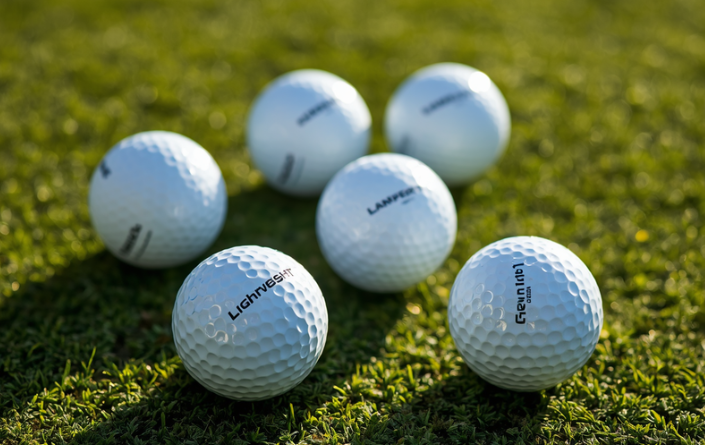
Choosing golf balls for senior men can make a real difference when swing speed changes, distance feels harder to find, and short-game touch becomes more important. Many senior golfers still have strong skill, smart course management, and years of experience. However, the wrong ball can make the game feel harder than it needs to be. A ball that feels too firm may not compress well at moderate swing speeds. As a result, shots can fly shorter, feel harsh, and offer less control around the green.
The good news is that golf ball technology has improved a lot. Today, senior players do not have to choose between distance and feel in the same way they once did. Many modern balls are built with softer cores, lower compression, aerodynamic covers, and responsive short-game performance. Therefore, the right ball can help senior men launch shots more easily, keep the ball in the air longer, and enjoy a softer feel on chips and putts.
For many older golfers, equipment choices become more personal over time. A driver, iron shaft, wedge setup, or putter can all affect performance. Still, the golf ball is the only piece of equipment used on every shot. Because of that, it deserves more attention than many players give it. Instead of buying whatever ball is on sale, senior men should look for a ball that matches their swing speed, feel preference, launch needs, and scoring goals.
Why Senior Men Need a Different Golf Ball
As golfers age, swing speed often decreases gradually. This does not mean a player has lost skill. In fact, many senior men become better decision-makers on the course because they understand angles, hazards, tempo, and club selection. However, lower swing speed can reduce ball compression. When a ball does not compress enough, it may not produce the speed, launch, or carry distance the golfer expects.
That is where golf balls for senior men become valuable. These balls are often designed with lower compression cores that respond better to moderate swing speeds. Instead of requiring a fast, aggressive swing, they compress more easily at impact. Consequently, the ball can leave the clubface with better energy transfer and a more comfortable feel.
A softer ball can also reduce the harsh sensation some players notice with firmer tour-level models. This matters more than many golfers realize. If a ball feels too hard, a player may start guiding the swing or losing confidence at impact. On the other hand, a ball that feels responsive can encourage smoother tempo and better rhythm.
Distance is usually the first concern, yet it is not the only one. Senior men also need control on approach shots, predictable launch with irons, and a ball that behaves well around the green. Therefore, the best choice is rarely just the longest ball. It is the ball that creates the best balance between carry distance, feel, spin, and consistency.
Understanding Compression, Distance, and Feel
Compression is one of the most important factors when comparing golf balls for senior men. In simple terms, compression describes how much the ball deforms when struck. Faster swing speeds usually compress firmer balls more effectively. Slower or moderate swing speeds often benefit from softer compression because the ball responds with less force.
For many senior golfers, a low- to mid-compression ball can help produce better launch and carry. This does not automatically mean every senior man should use the softest ball available. Some players still swing fast and prefer a firmer feel. However, most recreational senior golfers find that softer compression gives them easier distance and a more pleasant impact sensation.
Distance also depends on launch and spin. A ball that launches too low may lose carry, especially when fairways are soft or the golfer needs help keeping the ball airborne. Meanwhile, too much driver spin can reduce roll and cause shots to balloon. Because of this, many golf balls for senior men are built to reduce long-game spin while still offering enough control on shorter shots.
Feel is more personal. Some golfers like a very soft sensation on putts and chips. Others prefer a slightly firmer response because it gives them clearer feedback. Neither preference is wrong. However, senior men should test balls from the tee, fairway, rough, bunker, and green before choosing one. A ball that feels great with the driver but poor with the putter may not be the best overall match.
Durability also matters. Senior golfers who play several times a week may want a ball that resists scuffs and keeps its performance over multiple rounds. While premium urethane balls can offer excellent greenside spin, some softer ionomer-covered balls provide strong durability and better value. Therefore, the best choice depends on both performance needs and budget.
Key Features to Look For
When shopping for golf balls for senior men, start with compression. A lower compression rating often helps players with slower to moderate swing speeds. This can support better distance without asking the golfer to swing harder. Since many senior men value smooth tempo, this feature can be especially useful.
Next, consider ball flight. Some balls are designed to launch higher, which can help players who struggle to carry bunkers, water, or front greenside hazards. A higher flight can also help approach shots land softer. However, players who already hit the ball high may prefer a more penetrating flight to maintain control in the wind.
Spin should also match the player’s game. Lower driver spin can help reduce slices and add distance, although it will not fix a swing path issue by itself. Around the green, a little extra spin can help chips stop sooner. Therefore, senior men who rely on finesse shots may want a ball with better greenside response.
Visibility is another useful feature. Many senior players choose yellow, matte, or high-visibility golf balls because they are easier to track in the air and find in the fairway or rough. This small detail can save time, reduce frustration, and make the round more enjoyable. In addition, better visibility may help golfers stay more relaxed after each shot.
Price should not be ignored either. Some premium golf balls perform beautifully, but they may not be necessary for every senior golfer. If a player loses several balls per round, a mid-priced model may offer a better balance of performance and value. Meanwhile, a more accurate golfer who plays regularly may benefit from investing in a higher-quality ball.
Best Types of Balls for Different Senior Players
Not every senior golfer needs the same ball. A player who wants more distance off the tee may need a different design than someone who already hits fairways but wants more control around the green. Therefore, matching the ball to the golfer’s main goal is more useful than looking for one universal answer.
For senior men who need more distance, a low-compression distance ball is often a smart starting point. These balls usually help create faster ball speed at moderate swing speeds. They may also reduce excessive driver spin, which can help shots fly straighter and roll farther after landing. As a result, they can make long par 4s and par 5s feel more manageable.
For players who want a softer touch, soft-feel balls are a strong option. These models often feel comfortable on irons, wedges, and putts. They may not always spin as much as premium tour balls, but they can give senior golfers more confidence on delicate shots. Since short-game trust is important, feel should not be overlooked.
For senior men who still swing fast, a mid-compression or premium multilayer ball may work better. These players might not need the softest option. Instead, they may want a ball that offers stronger iron control, better wedge spin, and a stable flight in windy conditions. In this case, golf balls for senior men do not have to mean only low-compression balls. They should simply match the player’s actual swing and scoring needs.
For beginners or high-handicap senior golfers, value and forgiveness matter most. A durable, affordable ball with a soft feel and straight flight can be ideal. These players should avoid overly firm tour balls unless they strongly prefer that feel. A forgiving ball can make the game more enjoyable while skills continue to improve.
How the Right Ball Helps From Tee to Green
The best golf balls for senior men should help throughout the entire hole, not just on tee shots. From the driver, the ball should launch easily and carry well. A senior golfer should not feel forced to overswing just to get decent distance. When the ball works with the swing instead of against it, rhythm often improves.
With fairway woods and hybrids, the right ball can help create higher launch and better carry. This is important because many senior players rely on hybrids more often than long irons. A ball that gets airborne easily can make second shots more reliable, especially on longer holes. Additionally, better carry can help players clear trouble and reach safer landing areas.
With irons, consistency matters. A good senior-friendly ball should produce predictable yardages. Distance is helpful, but control is just as important. If a ball jumps unpredictably or feels too firm, approach shots can become harder to judge. Therefore, senior men should pay attention to how the ball performs with mid-irons and short irons, not only with the driver.
Around the green, feel becomes even more important. Chips, pitches, and bunker shots require touch. A softer ball can help players sense the strike more clearly. However, some golfers may want more spin, especially if they play firm greens. Testing the ball on real short-game shots is the best way to know whether it fits.
On the putting green, confidence is everything. Some balls make a quiet, soft sound off the putter face. Others produce a firmer click. Since putting depends heavily on feel and distance control, senior men should choose a ball that matches their stroke and preference. Even a small improvement in putting comfort can lower scores over time.
Common Mistakes Senior Men Should Avoid
One common mistake is choosing a golf ball only because professionals use it. Tour-level balls are excellent for skilled players with high swing speeds, but they may not help every senior golfer. In many cases, a softer ball will produce better results for everyday play. Therefore, senior men should focus on personal fit instead of brand prestige.
Another mistake is assuming the most expensive ball is automatically the best. Price often reflects materials and construction, yet performance still depends on the golfer. A premium ball can be worth it for players who need extra greenside spin and consistent control. However, a lower-priced soft distance ball may perform better for someone with a slower swing speed.
Some golfers also change balls too often. While testing is useful, switching every round can make distance control harder. Once a senior golfer finds a ball that performs well, staying consistent can improve feel and confidence. Over time, the player learns how that ball reacts on drives, chips, pitches, and putts.
A further mistake is ignoring short-game performance. Many senior golfers search only for distance because they want to recover lost yards. That is understandable. Still, most scoring happens closer to the green. A ball that adds a few yards but feels poor on chips and putts may not actually lower scores.
Finally, many players overlook visibility. A ball that is hard to see can slow the round and create unnecessary stress. High-visibility options can be especially helpful in cloudy conditions, early morning light, or rough grass. Because golf should be enjoyable, practical features matter too.
How to Test Golf Balls Before Buying More
The simplest way to test golf balls for senior men is to buy a sleeve of two or three models rather than a full dozen. Start on the putting green. Hit several long putts, medium putts, and short putts. Notice the sound, feel, and distance control. If the ball feels uncomfortable with the putter, it may not be the right match.
Next, move to chipping and pitching. Try low runners, soft chips, and short wedge shots. Watch how quickly the ball releases after landing. Some senior golfers prefer a ball that rolls out more because it feels predictable. Others want more stopping power. The right choice depends on how you like to play around the green.
After that, test approach shots. Hit the same club with each ball and compare flight, carry, and stopping power. If possible, use a launch monitor or GPS watch to track distance. However, feel and consistency are just as important as raw numbers. A ball that flies slightly shorter but lands more predictably may still help scoring.
Then test the driver. Look for launch, carry, direction, and roll. A good ball should help you produce reliable distance without losing control. If one ball feels easier to launch and keeps more shots in play, it deserves serious consideration. For many senior men, fairway position matters more than chasing a few extra yards.
Once you find a strong option, play several full rounds with it. Real course conditions reveal more than a short range session. Wind, lies, green firmness, and pressure all affect how a ball performs. After a few rounds, you will know whether the ball truly supports your game.
Final Thoughts
Golf balls for senior men should make the game feel easier, not more complicated. The right ball can help with distance, launch, feel, visibility, and control. More importantly, it can support the smooth, confident swing many senior golfers need to play their best. Instead of trying to overpower the course, senior men can use smarter equipment choices to get better results.
A lower-compression ball is often a great starting point, especially for players with moderate swing speeds. However, the best ball still depends on the individual golfer. Some senior men need maximum distance. Others want soft feel, short-game control, or better visibility. Because every game is different, testing a few options is the most reliable approach.
In the end, the goal is simple. Choose a ball that helps you enjoy the round, trust your swing, and score with more confidence. When your golf ball matches your game, every shot feels a little more manageable. That can make golf more rewarding at any age.
FAQ
- What Type of Ball Should Older Male Golfers Use?
Older male golfers often benefit from a low- or mid-compression ball with a soft feel and easy launch. This type of ball can help moderate swing speeds create better distance without extra effort.
- Do Senior Golfers Need Low-Compression Balls?
Many senior golfers do well with low-compression balls because they compress more easily at slower swing speeds. However, players with faster swings may prefer a slightly firmer model.
- Are Soft Golf Balls Better for Distance?
Soft golf balls can improve distance for players who do not fully compress firmer balls. However, distance also depends on launch, spin, contact quality, and swing speed.
- Should Senior Men Use the Same Balls as Tour Players?
Some senior men can use tour-level balls well, but many recreational players get better results from softer, more forgiving designs. The best choice depends on swing speed and feel preference.
- How Often Should Senior Golfers Change Their Ball Model?
Senior golfers should avoid changing models too often once they find a reliable option. Playing the same ball regularly can improve distance control, short-game feel, and putting confidence.