
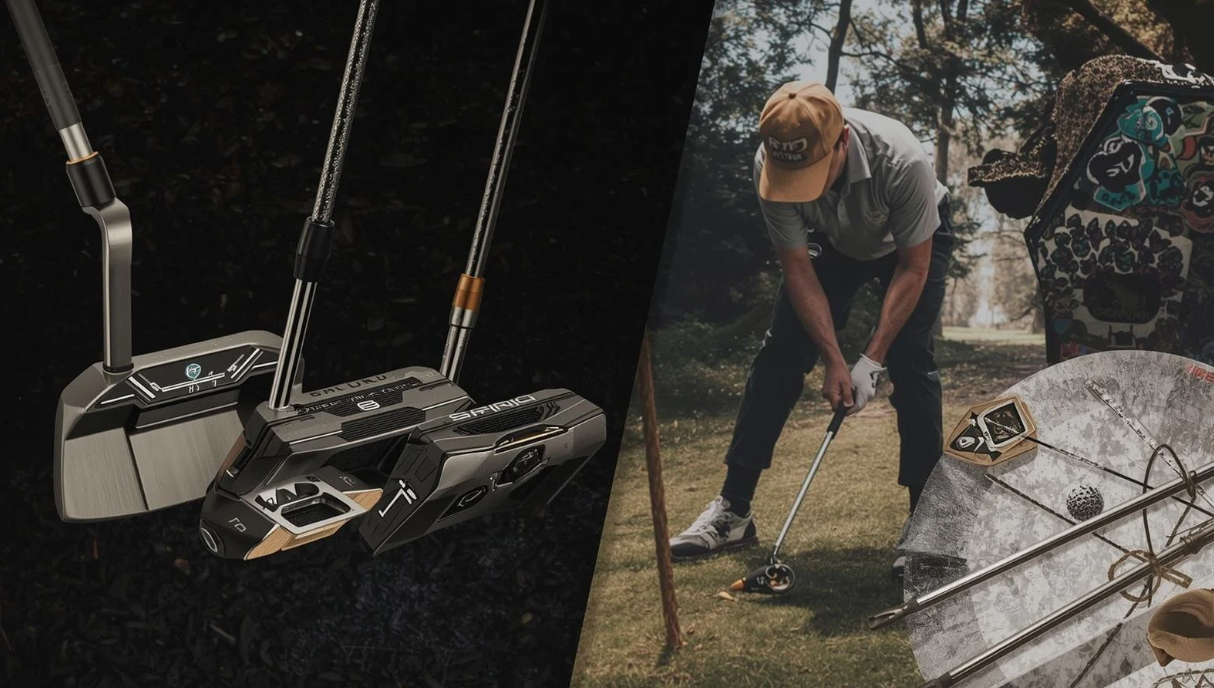
Senior golf putter designs can make a noticeable difference for golfers who want to putt with more confidence and consistency. As feel, posture, and hand sensitivity change over time, the wrong putter often magnifies small mistakes. However, the right design quietly reduces them.
Many senior golfers still hit solid tee shots and approach shots. Yet putting becomes the most frustrating part of the round. Distance control slips. Alignment feels uncertain. Because of this, choosing a putter designed for senior golfers becomes increasingly important.
Modern designs focus on forgiveness, stability, and visual clarity. As a result, putting feels calmer and more predictable. <img src=”https://www.pgatour.com/content/dam/pgatour/editorial/2023/putter-green.jpg” alt=”senior golf putter designs improving alignment and confidence”>
Why Senior Golf Putter Designs Matter for Older Golfers
Senior golf putter designs address challenges that naturally appear with age. Grip pressure often increases without noticing. Meanwhile, feel in the hands may decrease slightly. Posture can also change over time.
Traditional blade putters demand precise contact. Unfortunately, they punish mishits more harshly. That punishment shows up as missed lines and poor distance control.
In contrast, putter designs for senior golfers focus on forgiveness. They stabilize the face and reduce twisting. As a result, even off-center strikes finish closer to the hole.
High-MOI Putter Designs for Senior Golfers
High-MOI putter designs are especially helpful for senior golfers. MOI, or moment of inertia, refers to how stable the putter head remains on off-center strikes.
When MOI is high, the face stays square longer. Consequently, putts start on line and travel more consistent distances. This stability is a major benefit for golfers who no longer strike the center perfectly every time.
Mallet and mid-mallet putters typically provide the highest MOI. Many modern designs blend forgiveness with a traditional appearance.
According to manufacturers like
<a href=”https://www.ping.com” target=”_blank” rel=”noopener”>Ping Golf</a> and
<a href=”https://www.odysseygolf.com” target=”_blank” rel=”noopener”>Odyssey Golf</a>,
high-MOI designs consistently improve distance control for moderate swing speeds.
Face-Balanced Putter Designs for Straighter Strokes
Many senior golfers naturally develop a straighter putting stroke. Less wrist action and more shoulder movement become common.
Face-balanced putter designs support this motion. Because the face remains square during the stroke, timing errors are reduced. As a result, consistency improves, especially on short putts.
If your misses tend to leak left or right, a face-balanced design may suit your stroke better than a traditional toe-hang blade.
Alignment-Focused Putter Designs for Senior Golfers
Alignment becomes more challenging as vision changes. Therefore, senior-friendly putter designs emphasize visual aids.
Long sightlines help the eyes aim naturally. High-contrast markings improve visibility in varying light conditions. Together, these features reduce hesitation at address.
When alignment looks correct, commitment improves. And when commitment improves, more putts drop. <img src=”https://www.taylormadegolf.com/on/demandware.static/-/Sites-TMaG-Library/default/dw0b6a3e9a/images/putters/spider.jpg” alt=”senior golf putter designs with clear alignment lines”>
Soft-Face Putter Designs Improve Distance Control
Distance control often declines before accuracy. Soft-face putter designs help restore touch for senior golfers.
Modern inserts absorb vibration while enhancing feedback. As a result, the ball feels like it stays on the face longer. This sensation improves speed judgment, particularly on fast greens.
Brands such as
<a href=”https://www.taylormadegolf.com” target=”_blank” rel=”noopener”>TaylorMade Golf</a> and
<a href=”https://www.clevelandgolf.com” target=”_blank” rel=”noopener”>Cleveland Golf</a>
use advanced insert materials to promote consistent roll.
Heavier Putter Designs for Better Tempo
Tempo matters more than strength in putting. Heavier putter designs naturally slow the stroke.
This encourages a smooth pendulum motion driven by the shoulders. Wrist breakdown becomes less common. Consequently, consistency improves.
On slower greens, extra head weight also helps maintain momentum without added effort.
Grip and Length Choices in Senior Golf Putter Designs
Grip size plays a larger role than many golfers expect. Larger grips reduce tension in the hands and wrists. Non-tapered grips help both hands work together.
Putter length also matters. Slightly longer shafts allow for a more upright posture, which improves eye position and alignment.
You can explore related equipment guidance here:
<a href=”/best-golf-equipment-for-seniors”>Best Golf Equipment for Seniors</a>
<a href=”/golf-putter-buying-guide”>Golf Putter Buying Guide</a>
Mallet vs Blade Putter Designs for Seniors
Blade putters offer feedback but require precision. Mallet designs provide forgiveness and alignment support.
Mid-mallet putters offer a balanced option. They maintain a classic look while adding stability.
The best choice depends on how you play now, not how you played years ago.
Confidence Is the Biggest Benefit
When a putter looks aligned, feels stable, and rolls the ball smoothly, confidence builds naturally. Doubt fades. The stroke feels automatic.
Senior golf putter designs remove unnecessary complexity. They allow golfers to focus on speed and line rather than mechanics.
That confidence often leads to fewer putts per round.
Conclusion
Putting does not have to decline with age. With the right equipment, it often improves.
Senior golf putter designs emphasize stability, alignment, and feel. They support natural motion and reduce mistakes.
Choose a putter that works with you. When confidence returns, more putts fall — and the game becomes enjoyable again.
FAQ
1. What type of putter is best for senior golfers?
High-MOI mallet or mid-mallet designs offer the most forgiveness.
2. Are face-balanced putters good for seniors?
Yes. They support straighter strokes and reduce timing errors.
3. Do heavier putters help older golfers?
Often yes. Heavier heads improve tempo and stability.
4. Should seniors use larger putter grips?
Larger grips reduce tension and improve comfort.
5. Is putter fitting still important for seniors?
Absolutely. Proper length and grip size can significantly improve putting results.