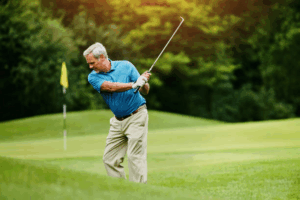
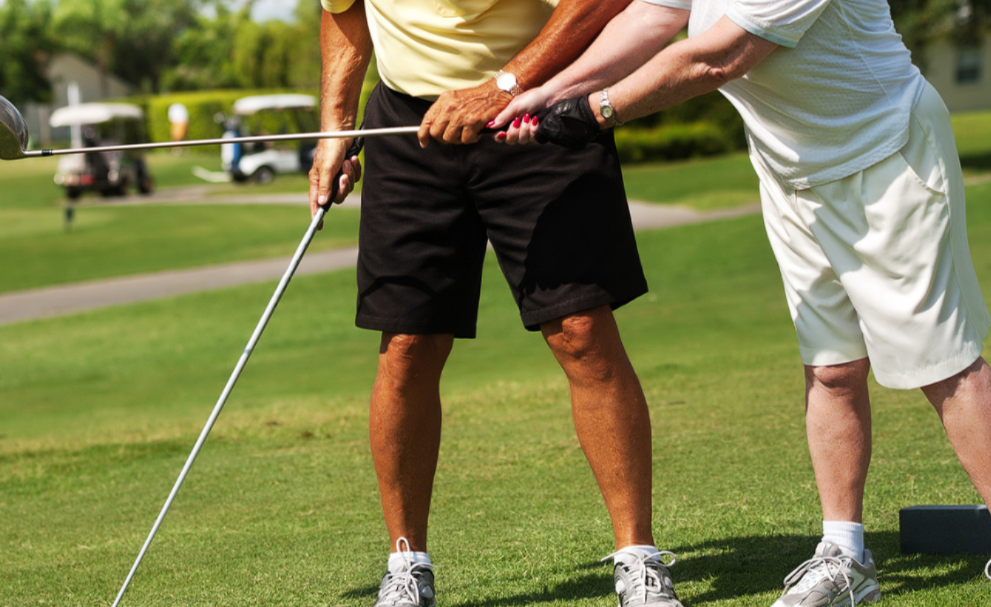
A great round of golf feels rewarding, but it can also leave seniors stiff, sore, and tired—especially when joints and muscles don’t recover as quickly as they used to. That’s where golf recovery routines for seniors make all the difference. These routines reduce soreness, improve flexibility, restore energy, and help the body bounce back faster after a full day on the course. Recovery isn’t only about comfort; it’s about maintaining the ability to play golf consistently without feeling worn down.
Senior golfers often experience tight hips, sensitive lower backs, stiff shoulders, and tired legs. Because recovery time increases with age, smart routines become essential for enjoying the game without discomfort. When recovery habits become part of your regular golf lifestyle, every round feels easier. Mobility improves, strength returns more quickly, and long-term performance stays steady. Let’s explore the most effective golf recovery routines for seniors that support better movement, faster restoration, and more enjoyable play.
Why Golf Recovery Routines for Seniors Matter
The golf swing uses muscles from head to toe. Walking long distances, bending repeatedly, stepping in and out of bunkers, and carrying or lifting equipment all add physical stress. Seniors often feel these demands more intensely than younger players.
Recovery routines help the body repair. They:
Reduce inflammation
Improve muscle circulation
Lower soreness
Restore flexibility
Boost energy
Prevent injury
Better recovery allows seniors to play more often without discomfort. That means more rounds, more enjoyment, and more confidence each time you return to the course.
Gentle Stretching That Reduces Stiffness and Improves Flexibility
Stretching remains one of the best recovery tools for senior golfers. Gentle movements lengthen muscles, ease tight joints, and promote smooth mobility.
Helpful post-round stretches include:
Hip flexor stretches
Hamstring stretches
Shoulder openers
Chest stretches
Neck rotations
Lower back twists
These stretches help release tension built during the round. Seniors benefit from slow, controlled movements that never force the body. Even a short 10-minute stretching session prevents next-day stiffness.
Stretching supports long-term mobility, making future swings smoother and more comfortable.
Light Walking That Helps Clear Muscle Fatigue
After finishing the last hole, light walking helps clear muscle stiffness. A few minutes of relaxed movement encourages circulation. Good blood flow helps carry away waste products that cause soreness.
Walking also supports joint lubrication, making it easier to move after long periods of bending or swinging. Seniors who take five to ten minutes of gentle walking after the round often feel less tight later in the day.
This simple step adds noticeable comfort.
Hydration That Speeds Recovery Throughout the Day
Hydration plays a major role in muscle recovery. Many seniors underestimate how much water they lose during a round, especially on warm days. Dehydration intensifies fatigue, tightness, and cramping.
Drinking plenty of water before, during, and after your round helps the body replenish fluids. Including electrolytes can help maintain balance in hotter conditions.
Hydrated muscles recover faster and function more efficiently. Keeping water intake steady significantly improves overall comfort.
Nutrient-Rich Snacks That Restore Energy
Food supports recovery just as much as hydration. Seniors benefit from snacks that combine protein and healthy carbohydrates. These nutrients help muscles repair and replace the energy lost on the course.
Good recovery snack options include:
Yogurt and fruit
Protein shakes
Nuts or trail mix
Turkey wraps
Bananas or oranges
Seniors who choose balanced snacks maintain stable energy and reduce next-day soreness.
Massage Tools That Ease Tight Muscles
Massage tools provide targeted relief for tight or overworked muscles. While professional massage is excellent, simple at-home tools also work well, including:
Foam rollers
Handheld massagers
Massage balls
Percussion massage devices
These tools help release muscle tension and improve blood flow. Seniors often use them on legs, hips, shoulders, and lower backs.
Regular massage promotes flexibility and reduces chronic tightness, making your next round feel smoother.
Heat Therapy That Soothes Stiff Joints
Heat therapy relaxes muscles and calms stiff joints. Seniors find warmth especially soothing after long days walking or swinging. Applying heat to tight areas helps improve mobility.
Useful heat therapy options include:
Warm baths
Heating pads
Heated wraps
Warm towels
Heat loosens muscles while increasing circulation. Seniors who use warmth after golf often feel significant relief within minutes.
Cold Therapy That Reduces Inflammation
Cold therapy works well for areas that feel swollen or irritated. Seniors with sensitive joints benefit from controlled cooling that reduces inflammation.
Cold therapy can include:
Ice packs
Cold gel sleeves
Cool water immersion
Using cold for 10–15 minutes helps calm irritated knees, ankles, or elbows. Seniors who combine heat and cold based on need recover more effectively.
Slow, Controlled Mobility Exercises That Maintain Movement
Mobility exercises help seniors maintain the range of motion needed for a comfortable, efficient swing. These low-impact movements strengthen stabilizing muscles and keep joints fluid.
Great mobility drills include:
Ankle circles
Hip circles
Shoulder rotations
Cat-cow stretches
Thoracic spine twists
These movements require minimal equipment and can be done daily. Mobility keeps seniors swinging freely without stiffness.
Core-Friendly Recovery Exercises for Back Support
Back soreness affects many senior golfers due to rotation demands. Recovery routines that strengthen and relax the core improve stability and relieve tension.
Effective exercises include:
Pelvic tilts
Bird dogs
Glute bridges
Seated knee lifts
Gentle back extensions
These movements support the spine without stressing sensitive areas. Stronger core muscles reduce back pain and improve swing comfort.
Deep Breathing Exercises That Reduce Stress and Support Relaxation
Breathing techniques enhance recovery by calming the nervous system. Golfers often tense their muscles during the round, and deep breathing helps release that tension.
Slow, controlled breathing:
Reduces muscle tightness
Improves oxygen flow
Lowers stress hormones
Encourages relaxation
A few minutes of deep breathing helps seniors wind down and recover more effectively.
Sleep Habits That Improve Next-Day Performance
Quality sleep remains one of the most powerful recovery tools for seniors. Deep rest allows muscles to repair and the body to regain energy.
Improving sleep can include:
Consistent bedtime
Cool, quiet environment
Relaxation before bed
Limiting screens
Light evening stretches
When seniors prioritize sleep, they wake up with more mobility, better balance, and steadier energy—perfect for their next golf day.
Using Compression Gear for Improved Circulation
Compression socks or sleeves help stimulate circulation. They reduce swelling in legs or arms and support muscle recovery.
Compression gear works especially well after long walks or cart days that still involves plenty of standing and bending. Seniors often notice better comfort and less next-day soreness.
Listening to Your Body to Avoid Overuse
Seniors benefit from tuning in to how their bodies feel. Ignoring discomfort often leads to longer recovery times or lingering soreness. A smart recovery routine adapts to your needs.
Taking breaks, resting certain joints, or spacing out rounds when necessary helps maintain long-term consistency. Recovery supports performance—pushing through pain does not.
Conclusion
Golf recovery routines for seniors help reduce soreness, restore mobility, and maintain consistent performance. With gentle stretching, hydration, mobility work, heat and cold therapy, and smart nutrition, seniors bounce back faster after each round. These routines protect joints, relax tight muscles, and build long-term comfort. When recovery becomes part of your routine, golf feels easier, smoother, and more enjoyable for years to come.
FAQ
- Why do seniors need golf recovery routines?
Recovery helps reduce soreness, protect joints, and restore energy after a round. - What is the easiest recovery habit for seniors?
Gentle stretching and hydration offer quick, effective results. - Does massage help golfers recover faster?
Yes. Massage improves circulation and relieves tight muscles. - Is heat or cold better for soreness?
Heat relaxes muscles; cold reduces inflammation. Many seniors use both. - How does sleep affect golf recovery?
Quality sleep boosts muscle repair and improves next-day mobility.