
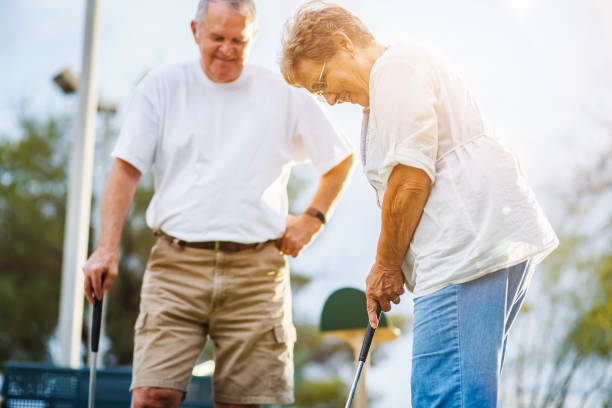
Golf becomes even more rewarding with age, especially when each swing still feels smooth and pain-free. Yet aging joints often demand a more careful approach to fitness. Many older golfers want better flexibility, stronger muscles, and steadier balance, but they also want routines that won’t aggravate their knees, hips, shoulders, or back. Joint-friendly golf workouts solve this challenge by strengthening key areas while minimizing impact and strain.
Comfortable movement leads to better rotation. Better rotation leads to cleaner contact. Clean contact leads to lower scores and more enjoyable rounds. Joint-friendly training builds this foundation gently, safely, and effectively. These workouts don’t rely on heavy weights or intense cardio. Instead, they focus on controlled exercises that protect the joints while supporting a more stable, powerful golf swing.
Why Joint-Friendly Golf Workouts Matter for Seniors
Aging bodies simply respond differently to stress than younger ones. Cartilage thins, tendons stiffen, and mobility decreases gradually. Because of these changes, seniors benefit from mindful movement rather than high-impact routines. Joint-friendly workouts strengthen supportive muscles and relieve the joints from doing too much of the work.
These workouts help seniors:
Reduce stiffness
Improve mobility
Enhance balance
Promote better posture
Support smoother swings
Encourage safe rotation
Healthy joints make long rounds easier and help seniors maintain their love for the game for years to come.
Warm-Up Movements That Prepare the Body
A proper warm-up helps protect joints before any workout. Seniors often feel stiffness in the shoulders, hips, and lower back, so opening those areas gently makes the rest of the routine safer.
Helpful warm-up movements include:
Gentle torso rotations
Shoulder rolls
Easy hip circles
Light marching in place
Controlled ankle circles
These movements increase circulation and prepare the joints for activity. A warm body moves more freely and responds better to exercise.
Mobility Drills That Improve Range of Motion
Mobility is essential for a fluid swing. Seniors often notice reduced mobility in the thoracic spine, hips, and shoulders. Mobility drills help maintain or restore comfortable movement without pushing beyond safe limits.
Effective drills include:
Seated trunk twists
Cat-cow stretches
Side bends
Hip openers
Wall-assisted shoulder stretches
Slow, relaxed movement supports healthy joint function and encourages smoother rotation during the swing.
Low-Impact Strength Exercises That Support the Joints
Strength plays an important role in joint health. Muscles around the joints act as stabilizers, reducing strain during movement. Seniors don’t need heavy weights to gain strength; low-impact resistance builds functional power safely.
Great joint-friendly strength exercises include:
Chair squats
Glute bridges
Resistance-band rows
Standing leg lifts
Wall push-ups
Stronger muscles improve posture, support rotation, and reduce wear on joints.
Core Workouts That Protect the Back
Back pain can limit a golfer’s ability to rotate effectively. A stable core reduces this strain by supporting the spine during movement. Joint-friendly core training avoids crunches or twisting motions that may irritate sensitive areas.
Helpful exercises include:
Pelvic tilts
Bird dogs
Seated knee raises
Dead bugs with bent knees
Standing torso stability drills
A strong, steady core enhances consistency and adds control to each swing.
Hip Strengthening Exercises That Improve Stability
Healthy hips support nearly every part of the golf swing. Senior golfers often lose hip strength or mobility without realizing it. Joint-friendly hip exercises help restore stability and protect the knees and lower back.
Useful hip-strengthening movements include:
Clamshells
Side-lying leg raises
Mini-band lateral steps
Single-leg hip bridges
Standing hip extensions
Stronger hips create a more stable lower body and improve weight transfer during the swing.
Knee-Friendly Movements That Build Confidence
Knees absorb impact with every step on the course. Strengthening the muscles above and below the knee helps reduce joint pressure and prevent pain during rounds.
Knee-friendly exercises include:
Straight-leg raises
Short wall sits
Hamstring curls
Calf raises
Supported mini-lunges
Small, controlled movements build strength without adding impact.
Shoulder-Safe Exercises That Reduce Strain
Shoulders take on a surprising amount of stress during the golf swing. Seniors often experience stiffness or reduced range in this area. Shoulder-safe exercises strengthen supporting muscles without causing irritation.
Great options include:
Band external rotations
Wall slides
Reverse fly movements
Front raises with light weights
Scapular retractions
These movements promote smoother, safer rotation and help prevent discomfort at the top of the swing.
Balance Training That Improves Stability
Good balance supports better contact and cleaner rotation. Seniors benefit greatly from balance training because it helps prevent wobbling during the swing and reduces fall risk during daily activity.
Simple balance drills include:
Standing on one foot
Heel-to-toe walking
Slow weight shifts
Step-and-hold repetitions
Supported single-leg stance
These movements challenge coordination gently but effectively.
Flexibility Training to Keep Muscles Loose
Flexible muscles allow the joints to move comfortably. Stretching helps seniors maintain smooth motion throughout the entire golf swing. Flexibility training doesn’t require intensity—only steady, relaxed movement.
Stretching options include:
Hamstring stretches
Chest wall stretches
Back extensions
Quad stretches while holding a chair
Forearm flexor stretches
A few minutes of stretching each day supports mobility and reduces stiffness.
Low-Impact Cardio That Builds Endurance
Endurance matters when walking the course, even with a cart. Low-impact cardio strengthens the heart and lungs without irritating the joints. Seniors can maintain energy through gentle, sustainable movement.
Great low-impact cardio options include:
Walking
Stationary biking
Water walking
Elliptical training
Slow-paced rowing
Smooth, joint-friendly cardio keeps energy levels higher throughout a round.
Resistance Bands That Offer Safe Strength Training
Resistance bands remain one of the best tools for seniors because they adjust easily and stay gentle on the joints. Bands also allow a wide range of movement patterns without heavy loading.
Helpful band exercises include:
Chest pulls
Lateral steps
Standing rotations
Triceps extensions
Seated rows
Bands strengthen the same muscles used during the golf swing.
Breathing Techniques That Reduce Tension
Stress leads to shallow breathing and muscle tightness. Calm breathing helps seniors release tension, which improves flexibility and reduces strain during the swing.
Try this simple pattern:
Inhale deeply through the nose
Hold briefly
Exhale slowly through the mouth
Relaxed breathing improves both physical and mental performance.
Cool-Down Movements That Prevent Stiffness
A cool-down signals the body to transition from exercise to rest. Seniors benefit from ending each session with gentle, controlled movements that help the joints recover more quickly.
A helpful cool-down includes:
Light stretching
Slow paced walking
Shoulder relaxation drills
Deep breathing
Gentle hip movements
A smooth cool-down reduces tightness later in the day.
Conclusion
Joint-friendly golf workouts give seniors the freedom to enjoy the game without discomfort. Gentle strength training, mobility drills, flexibility exercises, and balance practice all work together to protect the joints and support a smoother, more controlled swing. These routines help reduce pain, improve movement quality, and make each round more enjoyable. By training safely and consistently, seniors maintain their health, confidence, and passion for golf well into the future.
FAQ
- Why should seniors use joint-friendly workouts?
These workouts protect sensitive joints while improving strength and stability. - Do joint-friendly exercises improve golf performance?
Yes. Better mobility, balance, and strength lead to smoother, more consistent swings. - Are resistance bands safe for older golfers?
Absolutely. Bands offer low-impact strength training that supports joint health. - How often should seniors exercise?
Two to four sessions each week provides steady progress without overloading the joints. - Can these workouts reduce pain during golf?
Many seniors experience less discomfort when supportive muscles become stronger.