
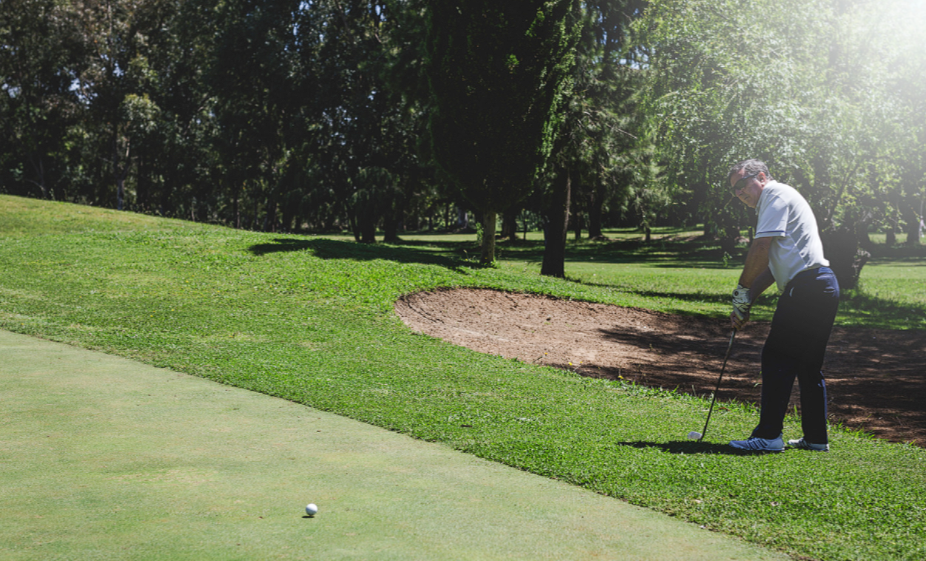
Practice shapes confidence, and confidence shapes every round. Yet many seniors struggle to get to the course or the range as often as they’d like. Weather, mobility, and busy schedules make regular practice difficult. That’s why these golf practice tips for seniors focus on what you can do at home—simple routines, easy drills, and small improvements that create meaningful consistency. You don’t need a full practice facility. You only need a few minutes, a few tools, and a clear plan.
Home practice builds muscle memory, strengthens flexibility, and keeps your swing sharp between rounds. When seniors practice intentionally, even brief sessions lead to better contact, improved accuracy, and smoother tempo. Let’s explore golf practice tips for seniors that develop consistency without requiring travel, equipment overload, or high-intensity training.
Start with a Gentle Warm-Up to Loosen the Body
Every great practice session starts with warming up the muscles. Seniors especially benefit from gentle warm-ups because stiffness can interrupt rhythm and reduce mobility. Loosening the shoulders, hips, and spine helps prepare the body for smoother, more coordinated motion.
Helpful warm-up moves include:
Arm circles
Hip rotations
Light torso twists
Toe touches or hamstring reaches
Neck rolls
These movements take only a few minutes but make the rest of your practice safer and more effective. When your body feels ready, your swing becomes more fluid.
Train Alignment Using Household Objects
Alignment is one of the biggest consistency boosters for seniors. Poor alignment creates misses even when the swing is sound. Practicing alignment at home helps reinforce proper setup without swinging a full club.
You can use:
A yardstick
Two golf clubs
Painter’s tape
Floor tile lines
Lay one object on the floor to represent your target line. Place another parallel to it for your feet. Step into this setup repeatedly. This trains your eyes and muscles to align correctly without thinking.
Better alignment improves accuracy instantly.
Use Slow-Motion Swings to Improve Mechanics
Slow-motion practice helps seniors build consistency without strain. Slowing down allows you to feel each part of the swing: takeaway, rotation, transition, and follow-through. This kind of practice strengthens muscle memory while reducing stress on the body.
Focus on:
Balanced rotation
Steady tempo
Smooth weight shift
Controlled wrist action
Slow movement builds awareness. When you repeat the motion gently, your body learns proper sequencing. This transfers directly to the course.
Practice Chipping Indoors with Soft Golf Balls
Chipping doesn’t need full space. Seniors can practice indoors using foam balls, microfiber balls, or even rolled-up socks. Small targets—like towels or bowls—help train precise landing spots.
Focus points for indoor chipping practice:
Light grip pressure
Minimal wrist hinge
Quiet lower body
Small, controlled strokes
Practicing chipping at home improves touch, accuracy, and control—three essential skills for shaving strokes around the green.
Strengthen Putting Skills with Simple Home Drills
Putting practice at home delivers immediate benefits. Seniors often lose strokes from three-putts, misread lines, or poor distance control. A few minutes each day builds steadiness.
Helpful putting drills:
Gate drill: Place two objects to create a narrow gateway for the putter to pass through.
Straight-line drill: Use painter’s tape on the floor to guide stroke path.
Distance ladder: Putt to different distances using balls spaced evenly away from you.
Coin contact drill: Place a coin behind the ball to train clean contact.
These drills sharpen aim, improve roll, and reinforce steady tempo.
Use Impact Tape or Foot Spray for Contact Awareness
Impact awareness helps seniors build consistency quickly. When you know where you’re striking the clubface, correcting mishits becomes easier. Even at home, you can track contact using impact tape or a light dusting of foot spray on the clubface.
Look for:
Centered strikes
Toe-contact patterns
Heel-contact patterns
Home practice sessions become more productive when you can evaluate your contact without hitting full shots.
Improve Flexibility with Daily Mobility Work
Mobility supports a smoother swing and reduces the chance of injury. Seniors benefit from daily flexibility routines that target the hips, shoulders, back, and core. Even five minutes makes a noticeable difference.
Simple stretches include:
Hip flexor stretch
Shoulder cross-body stretch
Chest wall stretch
Cat-cow movement
Hamstring stretch
Improved mobility creates better rotation and helps maintain posture throughout the swing.
Train Balance with Low-Impact Drills
Balance often decreases with age, but it remains vital for consistent ball-striking. Seniors can practice balance at home using simple drills that improve weight distribution and stability.
Try:
Standing on one leg
Heel-to-toe walking
Controlled backswings with no ball
Balance pad exercises (optional)
Better balance leads to more consistent contact and cleaner rotation.
Use a Mirror for Posture and Setup Training
A full-length mirror becomes a powerful training tool. Seniors can check posture, ball position, grip, and alignment—all without swinging.
Mirror practice focuses on:
Spine angle
Hip hinge
Shoulder alignment
Arm hang
Foot placement
Seeing your setup helps correct habits that may have developed over time. Many seniors find instant benefits simply from improving posture alone.
Develop Better Tempo with Rhythm Training
Tempo creates consistency across clubs. Seniors often rush their swing or lose rhythm. Practicing tempo at home builds smoother transitions.
Helpful tempo strategies:
Count “one-two-three” during your swing.
Use a metronome app to guide pace.
Practice swings with a weighted club or training stick.
Swing with your eyes closed to feel rhythm instead of watching it.
Rhythm practice creates controlled power rather than forced speed.
Practice Grip Pressure to Prevent Tension
Seniors often grip too tightly, especially when stiffness or insecurity creeps in. Grip pressure affects face angle, tempo, and contact. Practicing grip pressure at home helps relax the hands.
Try this drill:
Hold the club lightly
Loosen grip to a “3 out of 10”
Swing slowly without tightening
Repeating this reduces tension, improves roll on putts, and creates smooth full swings.
Use Short Training Sessions Instead of Long Ones
Short, focused practice sessions help seniors improve without fatigue. Ten to fifteen minutes at home is often better than long, tiring sessions. Consistency matters more than intensity.
Small daily habits build strong long-term results.
Visualize Shots to Strengthen the Mental Game
Visualization trains the mind to repeat successful motions. Seniors benefit from relaxed mental practice as much as physical repetition.
Visualize:
Straight drives
Smooth transitions
Clean wedges
Confident putts
Mental training keeps your game sharp even on days you don’t swing a club.
Conclusion
These golf practice tips for seniors turn your home into a simple, effective training space that builds consistency. Slow-motion drills improve mechanics. Indoor putting builds accuracy. Flexibility work enhances mobility. Balance drills support cleaner contact. Short, focused routines help seniors stay sharp without strain. With steady practice at home, confidence rises and your swing becomes smoother, more consistent, and more enjoyable each time you return to the course.
FAQ
- How often should seniors practice golf at home?
Short, daily sessions of 10–20 minutes offer excellent results. - What is the easiest at-home drill for seniors?
Slow-motion swings or putting alignment drills work well and require little space. - Can seniors improve without hitting real golf balls?
Absolutely. Mechanics, balance, tempo, and alignment can all be trained indoors. - Is stretching important for senior golfers?
Yes. Stretching improves mobility and reduces stiffness for smoother motion. - What helps seniors gain consistency fastest?
Regular, low-intensity practice focusing on tempo, alignment, and contact awareness.